Medical Advancements in Treating Rare Diseases
Medical advancements in treating rare diseases have brought about a significant shift in the healthcare landscape, offering hope to patients who previously had limited treatment options. These breakthroughs have not only improved the quality of life for those affected by rare diseases but have also paved the way for innovative approaches in personalized medicine.
Groundbreaking Treatments for Rare Diseases
In recent years, we have witnessed remarkable breakthroughs in the treatment of rare diseases, such as gene therapy, stem cell transplantation, and precision medicine. Gene therapy, for example, has shown promising results in treating genetic disorders by replacing or repairing faulty genes, offering new hope to patients with conditions that were once considered untreatable.
Revolutionizing Diagnosis and Treatment through Technology
Advancements in technology have played a crucial role in revolutionizing the diagnosis and treatment of rare diseases. From next-generation sequencing techniques to artificial intelligence algorithms, technology has enabled healthcare professionals to identify rare diseases more accurately and develop targeted therapies tailored to individual patients. This personalized approach has significantly improved treatment outcomes and reduced the burden of rare diseases on patients and their families.
Success Stories of Patients Benefiting from Cutting-Edge Treatments, Medical advancements in treating rare diseases
There are countless success stories of patients who have benefited from cutting-edge treatments for rare diseases. From children with rare genetic disorders experiencing significant improvements in their quality of life to adults with rare autoimmune conditions achieving remission with innovative therapies, these success stories serve as a testament to the transformative impact of medical advancements in the field of rare diseases.
Healthy Snacks
Maintaining overall wellness is crucial for a healthy lifestyle, and a key component of this is making wise choices when it comes to snacking. Healthy snacks not only provide essential nutrients to the body but also help in boosting energy levels and improving mood and productivity.
Importance of Healthy Snacks
Eating nutritious snacks throughout the day can help in stabilizing blood sugar levels, preventing overeating during meals, and keeping metabolism active. Healthy snacks also provide a source of vitamins, minerals, and fiber that are essential for overall health.
- Raw nuts and seeds: Packed with healthy fats, protein, and fiber, nuts and seeds are a great snack option that can keep you full and satisfied.
- Fruit and yogurt: A combination of fresh fruits and Greek yogurt is not only delicious but also provides a good dose of vitamins, minerals, and probiotics.
- Veggies and hummus: Crunchy vegetables paired with hummus make for a satisfying and nutritious snack that is rich in antioxidants and fiber.
Impact of Healthy Snacking on Productivity and Mood
Consuming healthy snacks can help in maintaining steady energy levels throughout the day, preventing energy crashes and fatigue. This, in turn, can positively impact productivity, focus, and overall mood, keeping you alert and energized.
- Healthy fats: Foods rich in healthy fats like avocados, nuts, and seeds can support brain health and improve cognitive function, enhancing productivity.
- Protein: Snacks high in protein, such as Greek yogurt, lean meats, and legumes, can help in repairing tissues and muscles, promoting alertness and focus.
- Fiber: Fiber-rich snacks like fruits, vegetables, and whole grains aid in digestion, keeping you feeling full and satisfied, which can contribute to a positive mood and outlook.
Quick and Easy Recipes for Healthy Snacks
Preparing healthy snacks doesn’t have to be complicated. Here are a few quick and easy recipes to try:
- Apple slices with almond butter: Simply slice an apple and spread almond butter on each slice for a satisfying and nutritious snack.
- Greek yogurt parfait: Layer Greek yogurt with granola, fresh berries, and a drizzle of honey for a delicious and protein-packed snack.
- Vegetable sticks with guacamole: Cut up your favorite veggies like carrots, cucumbers, and bell peppers and serve with homemade guacamole for a nutrient-dense snack.
Wellness Programs
Participating in wellness programs can have numerous benefits for individuals looking to improve their overall health and well-being. These programs are designed to promote healthy habits, physical activity, stress management, and mental health support.
Benefits of Wellness Programs
- Improved physical health through regular exercise and healthy eating habits.
- Enhanced mental well-being by providing tools to manage stress and improve emotional health.
- Increased productivity and job satisfaction in workplace settings.
- Prevention of chronic diseases by promoting healthy lifestyle choices.
Examples of Successful Wellness Programs
- Corporate wellness programs offering gym memberships, healthy snack options, and mental health resources.
- Community-based wellness initiatives such as group fitness classes, mindfulness workshops, and nutrition education programs.
- Online wellness platforms providing access to virtual workouts, mental health resources, and personalized wellness plans.
Tips for Incorporating Wellness Programs into Daily Routines
- Schedule regular exercise sessions into your calendar to ensure consistency.
- Prepare healthy meals and snacks in advance to avoid unhealthy food choices.
- Practice mindfulness and stress-reducing techniques such as meditation or deep breathing exercises.
- Stay connected with a support system or wellness community to stay motivated and accountable.
Physical Therapy
Physical therapy plays a crucial role in the rehabilitation and recovery process for individuals dealing with various medical conditions. It focuses on improving mobility, strength, and function, ultimately enhancing the overall quality of life for patients.
Techniques Used in Physical Therapy
- Manual Therapy: Hands-on techniques such as massage and manipulation to improve joint mobility and reduce pain.
- Therapeutic Exercises: Customized exercises to target specific areas of weakness or limitation, aiming to improve strength and flexibility.
- Electrotherapy: The use of electrical stimulation to reduce pain and promote muscle contraction.
- Ultrasound: High-frequency sound waves used to promote healing and reduce inflammation.
Success Stories of Patients
“After undergoing physical therapy following a serious car accident, I was able to regain full range of motion in my shoulder and return to playing sports.”
“My elderly mother suffered from chronic back pain, but with the help of physical therapy, she now enjoys gardening and walking pain-free.”
Finding the Right Physical Therapist
- Ask for recommendations from your healthcare provider or friends/family members who have undergone physical therapy.
- Research the credentials and experience of potential physical therapists to ensure they specialize in treating your specific condition.
- Consider the location and hours of the physical therapy clinic to ensure convenience for regular appointments.
Health Coaching
Health coaches play a crucial role in guiding individuals towards healthier lifestyles by providing personalized support, motivation, and accountability.
Benefits of Health Coaching
- Health coaches help individuals set realistic fitness goals and create actionable plans to achieve them.
- They offer ongoing support and encouragement, helping to overcome obstacles and stay on track.
- Health coaches provide education on nutrition, exercise, stress management, and other wellness practices.
- They empower individuals to make sustainable lifestyle changes for long-term health and well-being.
Choosing a Qualified Health Coach
- Look for certifications from reputable organizations such as the National Board for Health and Wellness Coaching.
- Consider the coach’s experience, specialization, and approach to ensure it aligns with your needs and preferences.
- Read client testimonials and reviews to gauge the coach’s effectiveness and rapport with clients.
- Schedule an initial consultation to discuss goals, expectations, and compatibility before committing to a coaching program.
Personalized Health Coaching Success Stories
- A client who struggled with weight loss for years finally achieved her goals with the help of a health coach who provided tailored meal plans and workout routines.
- Another client overcame chronic stress and burnout by working with a health coach to implement mindfulness practices and self-care strategies.
- An individual with diabetes improved blood sugar control and overall health outcomes through personalized coaching on nutrition and lifestyle modifications.
Fitness Goals
Setting fitness goals is crucial for maintaining overall health and well-being. It provides a sense of direction, motivation, and accountability in your fitness journey.
Importance of Setting Realistic Goals
- Start by assessing your current fitness level and identifying areas for improvement.
- Set specific, measurable, achievable, relevant, and time-bound (SMART) goals to track your progress effectively.
- Consider consulting a fitness professional to help you set realistic goals based on your abilities and limitations.
Tips for Staying Motivated
- Find a workout buddy or join a fitness community for support and encouragement.
- Reward yourself for reaching milestones along the way to keep yourself motivated.
- Mix up your routine to prevent boredom and stay engaged with your fitness regimen.
Impact on Mental and Emotional Health
Setting and achieving fitness goals not only improves physical health but also has a positive impact on mental and emotional well-being.
- Regular exercise releases endorphins, which can help reduce stress, anxiety, and depression.
- Feeling accomplished and confident in your fitness journey can boost self-esteem and overall mood.
- Setting and achieving fitness goals can enhance your sense of purpose and motivation in other areas of life.
Balanced Nutrition
When it comes to maintaining good health, balanced nutrition plays a crucial role in ensuring that our bodies receive the necessary nutrients for optimal functioning. A well-balanced diet provides the right combination of carbohydrates, proteins, fats, vitamins, and minerals that are essential for overall well-being.
Components of a Well-Balanced Diet
A well-balanced diet consists of:
- Carbohydrates: These are the body’s primary source of energy and can be found in foods like whole grains, fruits, and vegetables.
- Proteins: Essential for muscle repair and growth, proteins can be sourced from lean meats, fish, eggs, and legumes.
- Fats: Healthy fats, such as those found in avocados, nuts, and olive oil, are important for brain function and hormone production.
- Vitamins and Minerals: These micronutrients are crucial for various bodily functions and can be obtained from a variety of fruits, vegetables, and whole grains.
Tips for Maintaining a Balanced Diet
Despite busy schedules, it is possible to maintain a balanced diet by:
- Planning Ahead: Prepare meals in advance to avoid relying on unhealthy convenience foods.
- Snacking Smartly: Choose nutrient-dense snacks like fruits, nuts, or yogurt to keep energy levels stable throughout the day.
- Hydrating: Drink plenty of water and limit sugary beverages to stay hydrated and maintain overall health.
- Portion Control: Be mindful of portion sizes to prevent overeating and ensure a balanced intake of nutrients.
Examples of Meal Plans for Balanced Nutrition
Here are a few examples of meal plans that promote balanced nutrition:
| Breakfast | Lunch | Dinner |
|---|---|---|
| Scrambled eggs with spinach and whole-grain toast | Grilled chicken salad with mixed greens and vinaigrette | Baked salmon with quinoa and roasted vegetables |
| Greek yogurt with berries and granola | Vegetable stir-fry with tofu and brown rice | Lean beef chili with sweet potato wedges |
Mental Strength
Building mental strength is essential for overcoming challenges and setbacks in life. It helps individuals to cope with stress, stay resilient, and maintain a positive outlook even in difficult situations.
Significance of Mental Strength
Mental strength plays a crucial role in overall health and well-being. It enables individuals to navigate through life’s ups and downs with a sense of control and confidence. By developing mental resilience, people can better manage stress, anxiety, and other mental health issues.
Strategies for Building Mental Resilience
- Practice mindfulness and meditation to stay present and focused.
- Engage in regular physical exercise to boost mood and reduce stress.
- Challenge negative thoughts and replace them with positive affirmations.
- Cultivate a strong support system of friends and family for emotional support.
Examples of Mental Strength Exercises
- Deep breathing exercises to calm the mind and body.
- Visualization techniques to imagine success and build confidence.
- Journaling to express emotions and reflect on thoughts and feelings.
Impact of Mental Strength on Overall Health
Mental strength is closely linked to overall health and well-being. It can improve immune function, reduce the risk of chronic diseases, and enhance quality of life. By prioritizing mental strength, individuals can lead happier, healthier lives.
Yoga Practice
Regular yoga practice offers a multitude of physical and mental benefits that contribute to overall well-being. It helps improve flexibility, strength, balance, and posture, while also reducing stress, anxiety, and promoting relaxation.
Types of Yoga and Their Effects
- Hatha Yoga: Focuses on physical postures and breathing exercises, great for beginners to build a foundation.
- Vinyasa Yoga: Involves dynamic flow sequences, enhancing cardiovascular health and strength.
- Ashtanga Yoga: A more rigorous practice that follows a specific sequence of poses, aiding in discipline and focus.
- Bikram Yoga: Practiced in a heated room, helps with detoxification and flexibility.
Tips for Beginners
- Start with beginner-friendly classes to learn basic poses and alignment.
- Focus on breathing and listen to your body to avoid overexertion.
- Consistency is key, even short daily practices can yield benefits over time.
Complementing Other Exercises
- Yoga can complement strength training by improving flexibility and preventing injuries.
- Pairing yoga with cardiovascular exercises like running or cycling can enhance endurance and recovery.
- Integrating yoga into a mindfulness practice can deepen the mind-body connection during activities like meditation or Pilates.
Health Education

Health education plays a crucial role in promoting wellness and disease prevention by providing individuals with the knowledge and skills needed to make informed decisions about their health. By educating people about healthy lifestyle choices, preventive measures, and early detection of diseases, health education empowers individuals to take control of their well-being.
Importance of Health Education
Health education is essential in raising awareness about the importance of maintaining a healthy lifestyle and adopting preventive health practices. It helps individuals understand the risks associated with certain behaviors and empowers them to make positive changes to improve their overall health and well-being.
Role of Health Educators
- Health educators play a vital role in designing and implementing health education programs that address the specific needs of diverse populations.
- They provide valuable information on nutrition, physical activity, stress management, and other health-related topics to help individuals make informed decisions.
- Health educators work to promote behavior change and encourage healthy habits through interactive workshops, seminars, and educational materials.
Effective Health Education Campaigns
- The “5-2-1-0” campaign promotes healthy habits by encouraging individuals to eat 5 servings of fruits and vegetables, limit screen time to 2 hours or less, engage in 1 hour of physical activity, and consume 0 sugary drinks per day.
- The “Know Your Numbers” campaign focuses on educating people about the importance of monitoring key health indicators such as blood pressure, cholesterol levels, and body mass index.
- The “Mindfulness Matters” initiative emphasizes the benefits of mindfulness practices in reducing stress, improving mental health, and enhancing overall well-being.
Tips for Staying Informed
- Follow reputable health websites, blogs, and social media accounts to stay updated on the latest health news and trends.
- Attend health fairs, workshops, and seminars in your community to learn from health experts and professionals.
- Join online forums or support groups related to health topics of interest to engage with like-minded individuals and share knowledge and experiences.
Weight Management
Maintaining a healthy weight is crucial for overall health and well-being. It not only helps in preventing chronic diseases but also improves energy levels, mental clarity, and overall quality of life.
Importance of Healthy Weight
Healthy weight management plays a vital role in reducing the risk of various chronic conditions such as heart disease, diabetes, and hypertension. By keeping weight in check, individuals can improve their overall health and longevity.
Tips for Achieving and Sustaining Weight Loss
- Focus on whole, nutrient-dense foods such as fruits, vegetables, lean proteins, and whole grains.
- Aim for regular physical activity to support weight loss efforts and maintain muscle mass.
- Practice mindful eating by paying attention to hunger cues and avoiding emotional eating triggers.
- Avoid restrictive diets and instead opt for a balanced approach that includes all food groups in moderation.
Impact of Weight Management on Chronic Disease Risk
By managing weight effectively, individuals can significantly reduce the risk of developing chronic diseases like type 2 diabetes, cardiovascular issues, and certain types of cancer. Maintaining a healthy weight also helps in improving metabolic function and overall well-being.
Health Checkups
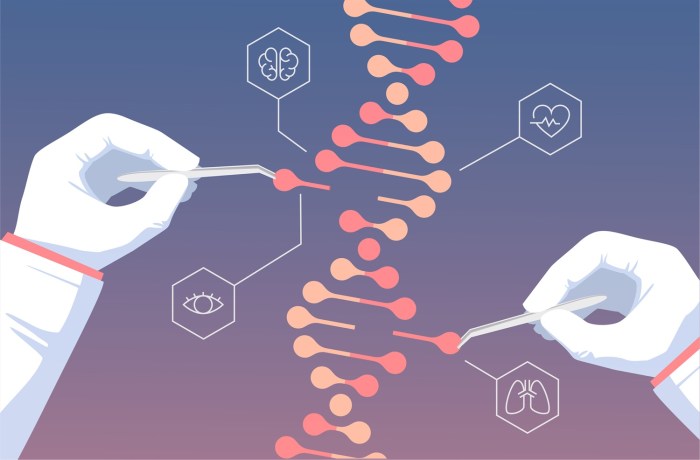
Regular health checkups play a crucial role in preventive healthcare by allowing early detection of potential health issues and providing an opportunity for intervention before they escalate. These routine exams help individuals stay proactive about their health and well-being, leading to better outcomes and quality of life.
Significance of Regular Health Checkups
- Regular health checkups can help identify risk factors and early signs of diseases, enabling timely intervention and treatment.
- They provide an opportunity to monitor key health indicators such as blood pressure, cholesterol levels, and blood sugar, allowing for necessary adjustments in lifestyle or medication.
- Preventive screenings during checkups can detect conditions like cancer, heart disease, and diabetes in their early stages when they are more treatable.
Recommended Frequency of Health Checkups
- Age and individual risk factors play a significant role in determining the frequency of health checkups.
- Young adults in their 20s and 30s should aim for a checkup every 1-2 years, while individuals above 40 may need annual screenings.
- People with chronic conditions or a family history of certain diseases may require more frequent monitoring as advised by their healthcare provider.
Examples of Screenings in Routine Health Checkups
- Blood pressure measurement
- Cholesterol screening
- Blood glucose test
- Body mass index (BMI) calculation
- Cancer screenings (e.g., mammograms, colonoscopies)
Tips for Prioritizing and Scheduling Health Checkups
- Keep a record of your health history, including past screenings and test results, to guide your future checkup schedule.
- Discuss with your healthcare provider about personalized recommendations based on your age, risk factors, and medical history.
- Set reminders or schedule appointments in advance to ensure you stay on track with your health checkups.
Skin Health: Medical Advancements In Treating Rare Diseases
Maintaining healthy skin is crucial for overall well-being as our skin is the largest organ in our body and serves as our first line of defense against external threats. Healthy skin not only protects us from infections and harmful UV rays but also plays a significant role in regulating body temperature and eliminating toxins.
Common skin conditions such as acne, eczema, psoriasis, and dermatitis can have a significant impact on one’s physical and emotional well-being. These conditions often require specific treatments such as topical creams, medications, or light therapy to manage symptoms and improve skin health.
Skincare Tips for Different Skin Types
- For dry skin: Use a gentle cleanser and moisturize regularly to prevent dryness and flakiness.
- For oily skin: Opt for oil-free products and use a cleanser with salicylic acid to control excess oil production.
- For sensitive skin: Choose fragrance-free and hypoallergenic products to avoid irritation and allergic reactions.
- For combination skin: Use products designed for combination skin and adjust your skincare routine based on different areas of your face.
Natural Remedies for Promoting Skin Health
- Hydration: Drink plenty of water to keep your skin hydrated from within.
- Healthy diet: Incorporate foods rich in antioxidants, vitamins, and minerals to nourish your skin.
- Sun protection: Use sunscreen daily and wear protective clothing to prevent sun damage.
- Aloe vera: Apply aloe vera gel to soothe irritated skin and promote healing.
Emotional Health
Emotional health plays a vital role in our overall well-being, influencing our mental, physical, and even social aspects of life. It is essential to address and manage our emotions effectively to maintain a healthy and balanced lifestyle.
Impact of Emotional Health
Emotional health directly impacts our overall well-being by affecting our thoughts, behaviors, and relationships. Unmanaged emotions can lead to stress, anxiety, depression, and other mental health issues. It is crucial to recognize and address these emotions to maintain a positive and healthy mindset.
Strategies for Managing Emotions
- Practice mindfulness and self-awareness to identify and understand your emotions.
- Engage in activities that help you relax and de-stress, such as meditation, yoga, or deep breathing exercises.
- Seek support from friends, family, or a mental health professional when needed.
- Develop healthy coping mechanisms like journaling, painting, or physical exercise to express and release emotions.
Connection between Emotional Health and Physical Health
Emotional health is closely linked to physical health, as high levels of stress, anxiety, or negative emotions can impact our immune system, cardiovascular health, and overall well-being. By managing our emotions effectively, we can improve our physical health and reduce the risk of various health conditions.
Health Motivation
Motivation plays a crucial role in achieving health and wellness goals. It serves as the driving force that propels individuals towards making positive lifestyle changes and sticking to healthy habits. Without motivation, it can be challenging to stay on track and overcome obstacles that may arise along the way.
Strategies for Staying Motivated
- Set specific, achievable goals: Break down larger health goals into smaller, more manageable tasks to track progress and stay motivated.
- Find a support system: Surround yourself with individuals who encourage and motivate you to stay committed to your health journey.
- Reward yourself: Celebrate your accomplishments, no matter how small, to reinforce positive behavior and stay motivated.
- Practice self-care: Prioritize activities that help reduce stress and promote overall well-being, such as meditation, yoga, or spending time outdoors.
Personal Stories of Overcoming Obstacles
- One individual shares how they struggled with consistency in their fitness routine but found motivation through joining group exercise classes, which provided accountability and a sense of community.
- Another person discusses how they overcame emotional eating habits by seeking support from a health coach who helped them develop healthier coping mechanisms and mindset shifts.
Tips for Cultivating a Positive Mindset
- Practice gratitude: Focus on the positive aspects of your health journey and express gratitude for the progress you’ve made.
- Affirmations: Use positive affirmations to challenge negative thoughts and reinforce belief in your ability to achieve your health goals.
- Visualize success: Imagine yourself reaching your health goals and visualize the outcomes to stay motivated and focused on the end result.
- Stay flexible: Be kind to yourself during setbacks and view them as opportunities for growth rather than reasons to give up.
Physical Activities
Regular physical activities play a crucial role in maintaining overall health and well-being. Engaging in physical activities can help improve cardiovascular health, strengthen muscles and bones, enhance mental health, and boost immune function. It also aids in weight management, reduces the risk of chronic diseases such as diabetes and heart disease, and promotes better sleep quality.
Benefits of Regular Physical Activities
- Improves cardiovascular health
- Strengthens muscles and bones
- Enhances mental health
- Boosts immune function
- Aids in weight management
- Reduces the risk of chronic diseases
- Promotes better sleep quality
Types of Physical Activities
- Low-intensity activities: Walking, swimming, yoga
- Moderate-intensity activities: Cycling, dancing, hiking
- High-intensity activities: Running, aerobics, interval training
- Strength training: Weight lifting, resistance band exercises
Tips for Incorporating Physical Activities into Daily Routines
- Schedule workouts at a convenient time
- Choose activities you enjoy
- Start with small goals and gradually increase intensity
- Find a workout buddy for motivation
- Mix up different types of activities to prevent boredom
Fun and Engaging Physical Activities for Different Age Groups
- Kids: Playground games, cycling, swimming
- Teens: Team sports, dancing, martial arts
- Adults: Zumba classes, hiking, group fitness sessions
- Seniors: Tai Chi, water aerobics, gentle yoga
Health Awareness
Health awareness plays a crucial role in educating individuals about various health issues and preventive measures. By raising awareness, people can take proactive steps to maintain their well-being and prevent diseases before they occur.
Importance of Health Awareness
Health awareness campaigns are essential in promoting public health by educating communities about the importance of leading a healthy lifestyle. These initiatives help individuals understand the risks associated with certain behaviors and empower them to make informed decisions regarding their health.
Successful Health Awareness Initiatives
- The “Movember” campaign, which raises awareness about men’s health issues, particularly prostate cancer and mental health.
- The “Breast Cancer Awareness Month” campaign that emphasizes the importance of early detection and regular screenings for breast cancer.
- The “World AIDS Day” initiative that aims to reduce the stigma associated with HIV/AIDS and promote testing and prevention.
Tips for Raising Health Awareness
- Organize health workshops or seminars in your community to educate people about various health topics.
- Use social media platforms to share informative content and tips on leading a healthy lifestyle.
- Participate in health awareness events and encourage others to join you in spreading the word about important health issues.
Preventive Medicine
Preventive medicine plays a crucial role in reducing the burden of diseases by focusing on proactive measures to maintain overall health and prevent the onset of illnesses. By emphasizing early detection and intervention, preventive medicine aims to identify risk factors and address them before they escalate into serious health issues.
Significance of Preventive Medicine
- Preventive medicine helps in reducing healthcare costs by preventing the need for expensive treatments for advanced diseases.
- It promotes overall well-being and quality of life by addressing lifestyle factors that contribute to chronic conditions.
- By focusing on prevention, individuals can avoid the suffering and limitations that come with certain diseases.
Principles of Preventive Medicine
- Regular health check-ups and screenings are essential for early detection of potential health issues.
- Healthy lifestyle choices such as balanced nutrition, regular exercise, and stress management play a key role in preventive healthcare.
- Vaccinations and immunizations help prevent the spread of infectious diseases and protect individuals from serious illnesses.
Examples of Preventive Healthcare Measures
- Annual physical exams to monitor health status and identify any changes or abnormalities.
- Maintaining a healthy weight through proper diet and exercise to reduce the risk of obesity-related conditions.
- Practicing safe sun exposure habits to prevent skin cancer and other skin-related issues.
Tips for Incorporating Preventive Medicine Practices
- Make regular appointments with your healthcare provider for preventive screenings and check-ups.
- Engage in regular physical activity and maintain a balanced diet to support overall health and prevent chronic diseases.
- Stay informed about recommended vaccinations and immunizations to protect yourself and others from infectious diseases.
Nutritional Counseling
Nutritional counseling plays a crucial role in promoting healthy eating habits by providing individuals with personalized guidance and support to make informed decisions about their diet.
Benefits of Nutritional Counseling
- Helps in creating a personalized nutrition plan tailored to individual needs and goals.
- Educates individuals about the importance of balanced nutrition and healthy food choices.
- Assists in managing medical conditions such as diabetes, obesity, and heart disease through diet modifications.
- Provides ongoing support, motivation, and accountability to help individuals stay on track with their dietary goals.
Examples of Dietary Changes Recommended
- Incorporating more fruits, vegetables, whole grains, and lean proteins into daily meals.
- Limiting the intake of processed foods, sugary beverages, and high-fat snacks.
- Monitoring portion sizes and practicing mindful eating habits to prevent overeating.
- Balancing macronutrients like carbohydrates, proteins, and fats to meet specific health needs.
Finding a Qualified Nutritional Counselor
- Look for a registered dietitian (RD) or certified nutritionist with proper credentials and experience.
- Consider seeking referrals from healthcare providers, friends, or online reviews for reputable professionals.
- Ensure the counselor takes into account your individual preferences, lifestyle, and dietary restrictions when creating a nutrition plan.
- Discuss the cost, insurance coverage, and frequency of sessions to find a counselor that fits your budget and schedule.
Healthy Mind
When it comes to overall wellness, mental health plays a crucial role in maintaining a healthy mind. A healthy mind not only contributes to emotional well-being but also impacts physical health and overall quality of life. It is essential to prioritize mental health to achieve a balanced and fulfilling life.
Strategies for Maintaining a Healthy Mind
- Practice mindfulness: Engaging in mindfulness practices such as meditation, deep breathing exercises, or yoga can help reduce stress, improve focus, and promote emotional well-being.
- Journaling: Keeping a journal to express thoughts, emotions, and experiences can be a therapeutic way to process feelings, gain clarity, and enhance self-awareness.
- Physical activity: Regular exercise not only benefits the body but also has a positive impact on mental health by releasing endorphins, reducing anxiety, and improving mood.
- Social connections: Building and maintaining supportive relationships with friends, family, or a community can provide a sense of belonging, reduce feelings of isolation, and boost mental resilience.
- Healthy lifestyle choices: Eating a balanced diet, getting adequate sleep, and avoiding excessive alcohol or drug use can support mental well-being and overall health.
Common Queries
How do medical advancements impact the treatment of rare diseases?
Medical advancements have revolutionized the landscape of treating rare diseases, offering new hope and innovative solutions for patients facing unique health challenges.
Are there success stories of patients benefiting from cutting-edge treatments for rare diseases?
Yes, there are numerous success stories where patients have experienced remarkable improvements in their health and quality of life through cutting-edge treatments for rare diseases.
What role does technology play in diagnosing and treating rare diseases?
Technology has significantly enhanced the diagnosis and treatment of rare diseases, enabling healthcare providers to deliver more personalized and effective care to patients.


More Stories
Physical therapy for chronic pain management: Effective Techniques and Integrative Approaches