Techniques for promoting emotional balance
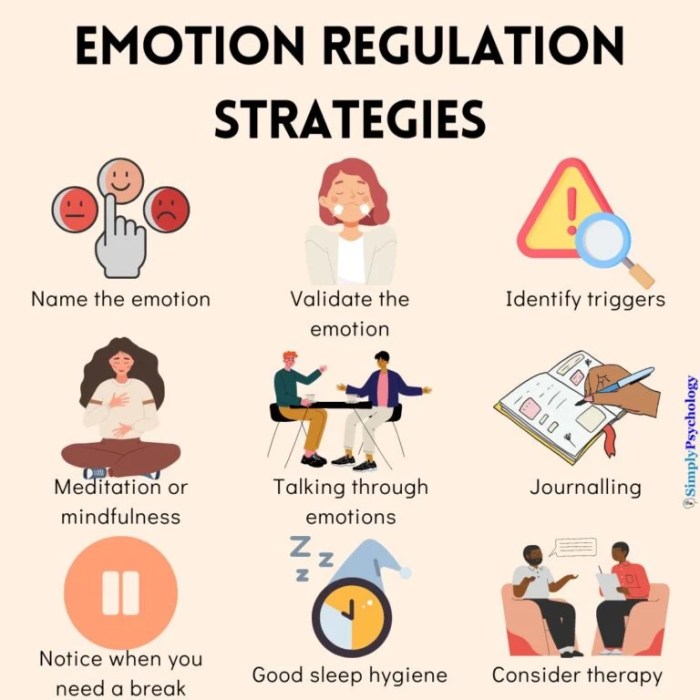
Relaxation techniques play a crucial role in promoting emotional balance by helping individuals calm their minds and reduce stress levels. These techniques can include deep breathing exercises, progressive muscle relaxation, guided imagery, and visualization.
Mindfulness Meditation
Mindfulness meditation is a powerful practice that can aid in maintaining emotional equilibrium. By focusing on the present moment without judgment, individuals can cultivate awareness of their thoughts and feelings. This practice can help reduce anxiety, improve mood, and enhance overall well-being.
Journaling
Journaling is another effective tool for managing emotions effectively. By writing down thoughts, feelings, and experiences, individuals can gain clarity and insight into their emotions. Journaling can also serve as a form of self-expression and a way to track patterns in emotions, leading to increased self-awareness and emotional balance.
Healthy Snacks
Techniques for promoting emotional balance – When it comes to promoting emotional well-being, choosing the right snacks can play a crucial role. Nutritious snacks not only provide essential nutrients but also help in maintaining a balanced mood throughout the day.
Examples of Nutritious Snacks
Here are some examples of healthy snacks that can support emotional health:
- Fruit and nut mix: A combination of dried fruits like apricots and nuts like almonds can provide a good balance of carbohydrates, healthy fats, and protein.
- Greek yogurt with berries: Greek yogurt is rich in protein and probiotics, while berries are packed with antioxidants and vitamins.
- Vegetable sticks with hummus: Crunchy veggies like carrots, cucumbers, and bell peppers paired with protein-rich hummus make for a satisfying and nutritious snack.
Importance of Healthy Snacking
Healthy snacking is important for maintaining a balanced mood as it helps regulate blood sugar levels and provides a steady source of energy throughout the day. By choosing nutrient-dense snacks, you can avoid energy crashes and mood swings, promoting emotional stability.
Recipes for Emotional Health
Try out these recipes that not only taste delicious but also promote emotional well-being:
- Avocado toast: Mash ripe avocado on whole-grain toast and top with a sprinkle of sea salt and red pepper flakes for a satisfying and healthy snack.
- Banana almond smoothie: Blend a ripe banana with almond butter, almond milk, and a dash of cinnamon for a creamy and nutritious smoothie that can uplift your mood.
- Chia seed pudding: Mix chia seeds with coconut milk and a touch of honey, then let it sit overnight for a delicious and nutrient-rich pudding that can support emotional balance.
Wellness Programs
Wellness programs play a crucial role in promoting emotional balance by incorporating various strategies and practices aimed at enhancing overall well-being. These programs focus on not just physical health, but also mental and emotional wellness, recognizing the interconnected nature of our health.
Incorporation of Emotional Balance Strategies
Wellness programs often include activities such as yoga, meditation, and mindfulness exercises to help individuals manage stress, anxiety, and other emotional challenges. By providing tools and resources for emotional regulation, these programs empower individuals to cope with life’s ups and downs in a healthy and constructive manner.
- Yoga sessions that focus on breathing techniques and mindfulness can help individuals cultivate self-awareness and emotional resilience.
- Meditation practices incorporated into wellness programs can promote relaxation, reduce anxiety, and improve overall emotional well-being.
- Workshops on stress management and emotional intelligence provide participants with valuable skills to navigate challenging situations with greater ease.
Role of Mindfulness Practices
Mindfulness practices, such as meditation and deep breathing exercises, are integral components of wellness programs. These practices encourage individuals to cultivate present-moment awareness, non-judgment, and acceptance of their thoughts and feelings. By incorporating mindfulness into daily routines, individuals can develop a greater sense of inner peace and emotional balance.
- Mindfulness meditation helps individuals become more attuned to their emotions, allowing them to respond thoughtfully rather than react impulsively.
- Deep breathing exercises can help alleviate stress and promote relaxation, enabling individuals to regulate their emotions more effectively.
- Practicing mindfulness in wellness programs can enhance emotional resilience and improve overall well-being.
Success Stories
Participating in wellness programs has led to transformative experiences for many individuals, helping them achieve emotional balance and improved mental health.
- John, a busy executive, found solace in mindfulness practices offered through his company’s wellness program. By incorporating daily meditation into his routine, he was able to reduce work-related stress and improve his overall emotional well-being.
- Sarah, a college student struggling with anxiety, discovered the benefits of yoga and breathing exercises in her university’s wellness program. These practices helped her manage her anxiety symptoms and feel more grounded and centered.
- Mark, a retiree dealing with grief and loss, found comfort in the supportive community of his local wellness program. Through group sessions and mindfulness activities, he was able to process his emotions and find peace amidst difficult times.
Physical Therapy
Physical therapy techniques play a crucial role in promoting emotional well-being by helping individuals manage stress, improve mood, and boost overall mental health. Through targeted exercises and movements, physical therapy can contribute to emotional stability and a sense of well-being.
Connection Between Physical Movement and Emotional Stability
Physical movement has a direct impact on emotional stability as it triggers the release of endorphins, also known as “feel-good” hormones, in the brain. Engaging in physical therapy exercises can help reduce feelings of anxiety, depression, and stress, leading to a more positive outlook and improved emotional balance.
- Regular physical activity through therapy sessions can increase self-esteem and confidence levels, which are essential for emotional well-being.
- Improving physical health through therapy can also have a positive effect on mental health, creating a holistic approach to emotional balance.
- Physical movement can serve as a healthy coping mechanism for managing difficult emotions and enhancing overall resilience.
Incorporating Physical Therapy Exercises into Daily Routine
Incorporating physical therapy exercises into a daily routine is key to maintaining emotional balance and overall well-being. Here are some tips for integrating these exercises into your daily life:
- Start with simple stretches and movements in the morning to kickstart your day with a sense of positivity and energy.
- Set aside dedicated time each day for physical therapy exercises, treating it as an essential part of your self-care routine.
- Explore different types of exercises, such as yoga, Pilates, or strength training, to find what works best for you and your emotional needs.
- Stay consistent with your routine to experience the full benefits of physical therapy on your emotional well-being.
Health Coaching
Health coaches play a crucial role in helping individuals achieve emotional balance by providing personalized guidance and support to address their emotional health needs. Through one-on-one sessions, health coaches work with clients to identify areas of improvement, set realistic goals, and develop strategies to enhance emotional well-being.
Personalized Approach of Health Coaching
Health coaching takes a personalized approach to address emotional health needs by tailoring strategies and interventions to meet the unique preferences, goals, and challenges of each individual. Coaches work closely with clients to create a customized plan that incorporates lifestyle modifications, stress management techniques, and emotional regulation strategies to promote emotional balance.
- Health coaches assess the client’s current emotional state and identify triggers that may be contributing to emotional imbalance.
- They collaborate with clients to set achievable goals that align with their values and priorities, fostering a sense of empowerment and motivation.
- Coaches provide ongoing support, accountability, and encouragement to help clients navigate challenges, overcome obstacles, and stay on track towards emotional well-being.
Success Stories of Health Coaching
“After working with a health coach, Sarah was able to improve her emotional well-being by incorporating mindfulness practices into her daily routine. She learned how to manage stress more effectively and cultivate a positive mindset, resulting in greater emotional balance and overall well-being.”
“John struggled with anxiety and low self-esteem before seeking support from a health coach. Through personalized coaching sessions, he developed coping strategies, built resilience, and improved his emotional health significantly. John now feels more confident, resilient, and emotionally stable.”
Medical Advancements
Medical advancements have revolutionized the way we approach treatments for emotional imbalances. With the integration of cutting-edge technology, there have been significant improvements in mental health care and promoting emotional well-being. Let’s delve into the role of medical breakthroughs in this field.
Impact of Medical Advancements
- Advancements in pharmacology have led to the development of more effective medications for various mental health conditions, helping individuals manage their symptoms and achieve better emotional balance.
- Technological innovations such as telemedicine and digital mental health platforms have made mental health care more accessible to a wider population, breaking down barriers to seeking help and support.
- Neuroimaging techniques like fMRI and PET scans have provided valuable insights into the neural mechanisms underlying emotional regulation, guiding the development of targeted interventions.
- Emerging therapies such as transcranial magnetic stimulation (TMS) and deep brain stimulation (DBS) offer promising options for treatment-resistant emotional disorders, offering new hope to individuals who have not responded to traditional approaches.
Fitness Goals
Setting fitness goals plays a crucial role in promoting emotional well-being. When individuals establish clear and achievable fitness objectives, they not only improve their physical health but also positively impact their emotional health. By working towards these goals, individuals experience a sense of accomplishment, increased self-confidence, and reduced stress levels.
Connection between Physical Fitness and Emotional Resilience
Physical fitness and emotional resilience are closely linked. Engaging in regular exercise and reaching fitness goals can help individuals build mental strength and cope better with life’s challenges. Exercise releases endorphins, also known as “feel-good” hormones, which can enhance mood and reduce symptoms of anxiety and depression.
- Regular physical activity can improve overall cognitive function, including memory, focus, and decision-making skills.
- Exercise promotes better sleep quality, which is essential for emotional regulation and mental well-being.
- Physical fitness can boost self-esteem and body image, leading to a more positive self-perception.
- Setting fitness goals provides a sense of purpose and direction, fostering a proactive mindset towards health and well-being.
Balanced Nutrition
Balanced nutrition plays a crucial role in promoting emotional balance. The food we eat not only fuels our bodies but also impacts our mood, energy levels, and overall well-being. When we consume a diet rich in essential nutrients, we are better equipped to manage stress, anxiety, and other emotional challenges.
Impact of Nutrients on Mood Regulation
Nutrients such as omega-3 fatty acids, vitamin D, magnesium, and antioxidants have been linked to mood regulation. Omega-3 fatty acids, found in fatty fish like salmon and walnuts, can help reduce symptoms of depression and anxiety. Vitamin D, often referred to as the “sunshine vitamin,” plays a role in serotonin production, which is known as the “feel-good” hormone. Magnesium, found in foods like spinach and almonds, can help relax muscles and calm the nervous system. Antioxidants, found in fruits and vegetables, help reduce inflammation in the body, which can contribute to improved mood.
Meal Planning Tips for Emotional Well-being
- Include a variety of colorful fruits and vegetables in your meals to ensure you’re getting a range of vitamins and minerals.
- Incorporate sources of lean protein like chicken, tofu, or legumes to help stabilize blood sugar levels and keep you feeling satisfied.
- Avoid excessive consumption of processed foods, sugary snacks, and caffeine, as they can lead to mood swings and energy crashes.
- Stay hydrated by drinking plenty of water throughout the day, as dehydration can affect mood and cognitive function.
- Plan balanced meals and snacks ahead of time to avoid making impulsive food choices when stressed or emotional.
Mental Strength
Building mental strength is crucial for enhancing emotional resilience. It involves developing the ability to cope with challenges, setbacks, and stressors in a positive and proactive manner. One key aspect of mental strength is maintaining a positive mindset, as it can significantly impact our emotional well-being.
Positive Thinking
- Positive thinking involves focusing on the good in every situation, even amidst difficulties.
- It helps reframe negative thoughts and emotions, promoting a sense of hope and optimism.
- Practicing gratitude and mindfulness can aid in cultivating a positive mindset.
Mental Toughness Exercises
- Engage in regular physical exercise to boost endorphins and enhance mental resilience.
- Challenge negative self-talk and replace it with affirming and empowering statements.
- Practice deep breathing techniques or meditation to calm the mind and build mental clarity.
Yoga Practice
Yoga is a powerful practice that can greatly contribute to promoting emotional balance. Through a combination of physical postures, breathing exercises, and meditation techniques, yoga helps individuals connect with their inner selves, reduce stress, and cultivate a sense of calm and relaxation.
Mind-Body Connection in Yoga
Yoga emphasizes the connection between the mind and body, recognizing that emotional well-being is closely linked to physical health. By focusing on breath control and mindfulness during yoga practice, individuals can release tension, improve mood, and enhance their overall emotional state.
Beneficial Yoga Poses for Emotional Health
- Child’s Pose (Balasana): This gentle pose helps to calm the mind, relieve stress, and promote relaxation.
- Warrior II (Virabhadrasana II): By building strength and stability, this pose can help individuals feel empowered and confident.
- Tree Pose (Vrikshasana): Balancing poses like Tree Pose can improve focus, concentration, and emotional stability.
Yoga Sequences for Emotional Well-Being
- Sun Salutation (Surya Namaskar): This dynamic sequence combines movement with breath, energizing the body and calming the mind.
- Heart Opening Sequence: Poses that open the chest and heart center, such as Camel Pose and Cobra Pose, can help individuals release emotional blockages and cultivate feelings of love and compassion.
- Restorative Yoga: Gentle, supported poses held for longer periods can promote deep relaxation, reduce anxiety, and restore emotional balance.
Health Education
Health education plays a crucial role in raising awareness about emotional well-being. By providing individuals with the necessary knowledge and tools, health education empowers them to take control of their mental health and promote emotional balance.
The Importance of Educating Individuals about Mental Health
- Health education helps individuals recognize the signs and symptoms of mental health conditions, enabling early intervention and treatment.
- It reduces the stigma surrounding mental health, encouraging open conversations and seeking help when needed.
- By educating individuals about coping strategies and self-care practices, health education equips them with the skills to manage stress and improve emotional well-being.
Resources for Accessing Reliable Health Education on Emotional Wellness
Online platforms: Websites such as the National Institute of Mental Health (NIMH) and Mental Health America offer valuable resources on mental health education.
- Community organizations: Local mental health organizations often provide workshops, seminars, and support groups focused on emotional wellness.
- Healthcare providers: Doctors, therapists, and counselors can offer personalized guidance and recommendations for maintaining emotional balance.
- Social media: Following reputable mental health advocates and organizations on social media platforms can provide daily tips and information on emotional well-being.
Weight Management
Maintaining a healthy weight is crucial for overall well-being, including emotional health. When we are at a healthy weight, our bodies function optimally, leading to improved mood and reduced stress levels.
Impact of Body Image on Emotional Well-being
Body image plays a significant role in emotional well-being. Negative body image can lead to low self-esteem, anxiety, and even depression. It is essential to focus on health rather than unrealistic beauty standards to maintain a positive body image.
- Practice self-love and acceptance: Embrace your body for all that it does for you, rather than focusing on perceived flaws.
- Seek professional help: If body image concerns are affecting your mental health, consider speaking to a therapist or counselor.
- Surround yourself with positivity: Surround yourself with people who uplift and support you, rather than those who bring you down.
Health Checkups
Regular health checkups play a crucial role in monitoring emotional well-being by helping individuals stay aware of their overall health status. These routine screenings can detect underlying issues that may be affecting emotional health and provide an opportunity for early intervention and treatment.
Significance of Regular Health Checkups
- Regular health checkups allow for the early detection of physical health conditions that can impact emotional well-being, such as hormonal imbalances, thyroid issues, or vitamin deficiencies.
- Monitoring vital signs and conducting blood tests during checkups can reveal any abnormalities that may be contributing to emotional distress, such as high stress levels, anxiety, or depression.
- Health checkups also provide an opportunity for healthcare professionals to assess lifestyle factors that may be affecting emotional balance, such as sleep patterns, exercise habits, and nutrition.
Importance of Seeking Professional Help
- Professional help through health checkups is essential for addressing emotional imbalances that may be overlooked or dismissed by individuals.
- Healthcare providers can offer guidance, support, and treatment options to improve emotional well-being and overall quality of life.
- Regular checkups create a proactive approach to emotional health, promoting early intervention and preventive measures to maintain balance and stability.
Skin Health: Techniques For Promoting Emotional Balance
Skin health is closely linked to emotional well-being as our skin is often a reflection of our internal health and state of mind. Stress, anxiety, and other emotional issues can manifest on our skin in the form of breakouts, dullness, or even premature aging. Therefore, taking care of our skin is not only important for physical appearance but also for maintaining emotional balance.
The Importance of Skincare Routines
Skincare routines play a significant role in promoting a positive self-image and emotional balance. By taking the time to care for our skin, we can boost our confidence and self-esteem, leading to a more positive outlook on life. Additionally, the act of practicing self-care through skincare can be a calming and therapeutic experience, helping to reduce stress and improve emotional well-being.
- Establish a consistent skincare routine: Cleansing, exfoliating, moisturizing, and applying sunscreen are essential steps to maintain healthy skin and promote emotional balance.
- Choose products wisely: Opt for skincare products that suit your skin type and address any specific concerns you may have, such as acne, dryness, or sensitivity.
- Stay hydrated: Drinking an adequate amount of water is crucial for keeping your skin hydrated and glowing, which can have a positive impact on your emotional well-being.
- Protect your skin: Wear sunscreen daily to protect your skin from UV damage, which can not only lead to skin issues but also affect your emotional health.
Emotional Health
Emotional health plays a crucial role in our overall well-being, affecting how we think, feel, and act in our daily lives. It encompasses our ability to manage stress, build relationships, and cope with challenges effectively.
Components of Emotional Health
- Self-awareness: Understanding and recognizing our emotions, thoughts, and behaviors.
- Emotional regulation: Developing skills to manage and express emotions in a healthy way.
- Empathy: Being able to understand and relate to the emotions of others.
- Resilience: The ability to bounce back from setbacks and adapt to changes.
Strategies for Nurturing Emotional Health
- Practice mindfulness: Engage in activities that promote self-awareness and presence in the moment.
- Build strong relationships: Cultivate supportive connections with friends, family, and community.
- Seek professional help: Don’t hesitate to reach out to a therapist or counselor for guidance and support.
- Engage in self-care activities: Prioritize activities that bring you joy and relaxation, such as hobbies or exercise.
Personal Experiences
During a particularly stressful period in my life, I found solace in daily meditation and journaling. These practices helped me process my emotions and regain a sense of balance.
Health Motivation
Maintaining emotional balance requires a strong sense of motivation to stay on track towards overall well-being. Motivation plays a crucial role in keeping us focused, resilient, and committed to our health goals. It serves as the driving force that propels us forward, even when faced with challenges or setbacks.
The Role of Motivation in Emotional Balance
Setting health goals can serve as a powerful source of motivation for emotional well-being. When we have clear objectives in mind, such as improving our mental strength, achieving a balanced lifestyle, or managing stress effectively, we are more likely to stay motivated and dedicated to our journey. These goals provide a sense of purpose and direction, giving us something tangible to work towards and strive for.
- Visualize Success: Take time to imagine yourself achieving your health goals and feeling emotionally balanced. Visualization can help reinforce your motivation and keep you focused on the positive outcomes.
- Celebrate Small Wins: Acknowledge and celebrate the small victories along the way. Recognizing your progress, no matter how small, can boost your confidence and motivation to continue moving forward.
- Stay Connected: Surround yourself with a supportive community or network of individuals who share similar health goals. Connecting with others can provide encouragement, accountability, and a sense of belonging, all of which can enhance your motivation.
- Practice Self-Compassion: Be kind to yourself and practice self-compassion, especially during challenging times. Remember that setbacks are a natural part of the journey, and it’s important to treat yourself with understanding and empathy.
Physical Activities
Regular physical activities play a crucial role in promoting emotional well-being. Engaging in exercise has numerous benefits for emotional health, including reducing stress, improving mood, boosting self-esteem, and increasing overall happiness.
Impact of Physical Activities on Emotional Health
Regular physical activities have a direct impact on emotional health by releasing endorphins, also known as “feel-good” hormones, in the brain. These hormones help reduce feelings of stress, anxiety, and depression, leading to a more positive outlook on life.
Benefits of Engaging in Regular Exercise for Emotional Well-being
- Improves mood and reduces symptoms of anxiety and depression.
- Boosts self-esteem and confidence levels.
- Enhances overall mental well-being and cognitive function.
- Helps in stress management and promotes better sleep quality.
- Increases energy levels and promotes a sense of accomplishment.
Different Types of Physical Activities for Promoting Emotional Balance
- Aerobic Exercises: Running, swimming, cycling, or dancing can help in releasing endorphins and improving mood.
- Strength Training: Weightlifting or bodyweight exercises can boost self-esteem and confidence levels.
- Yoga: Practicing yoga can reduce stress, improve flexibility, and promote relaxation.
- Team Sports: Engaging in team sports can enhance social connections and overall happiness.
- Mindful Walking: Taking mindful walks in nature can help in calming the mind and reducing anxiety.
Health Awareness
Raising awareness about emotional health issues is crucial for promoting overall well-being and reducing the stigma surrounding mental health. By educating individuals about the importance of emotional balance, we can encourage them to prioritize self-care and seek help when needed.
Initiatives and Campaigns
Various initiatives and campaigns have been launched to promote health awareness related to emotional balance. For example, mental health awareness weeks, online resources, and community events aim to educate the public about the importance of mental well-being and provide resources for those in need.
Tips for Spreading Awareness
- Be open and honest about your own struggles with emotional health to help reduce the stigma surrounding mental health issues.
- Share informative articles, resources, and helpline numbers on social media to reach a wider audience.
- Participate in community events and workshops focused on mental health to show your support for those struggling with emotional well-being.
- Encourage open conversations about mental health with friends, family, and colleagues to create a safe and supportive environment for discussing emotional issues.
- Advocate for mental health education in schools and workplaces to ensure that individuals have access to resources and support when needed.
Preventive Medicine
Preventive medicine plays a crucial role in safeguarding emotional well-being by focusing on identifying and addressing risk factors before they escalate into emotional imbalances. By implementing early interventions and preventive measures, individuals can proactively manage their mental health and prevent the development of serious emotional issues.
Examples of Preventive Medicine Practices for Emotional Health
- Regular mental health screenings and assessments to detect early signs of emotional distress.
- Implementing stress management techniques such as mindfulness meditation and relaxation exercises to prevent chronic stress buildup.
- Encouraging open communication and fostering supportive relationships to create a strong social support system.
- Promoting healthy lifestyle habits including regular exercise, balanced nutrition, and adequate sleep to boost emotional resilience.
- Providing education on emotional health and mental wellness to increase awareness and reduce stigma surrounding mental health issues.
Nutritional Counseling
Nutritional counseling plays a vital role in supporting emotional balance by providing individuals with personalized guidance on how their diet can impact their mental well-being. By working with a dietitian or nutritional counselor, individuals can learn how to make healthier food choices that can positively influence their mood, energy levels, and overall emotional health.
Role of Dietitians in Emotional Well-being
Dietitians are trained professionals who specialize in nutrition and can provide expert advice on how diet impacts emotional health. They can assess an individual’s current eating habits, identify areas for improvement, and create a customized nutrition plan to support emotional balance. Dietitians can also educate individuals on the connection between food and mood, helping them make informed choices that promote mental well-being.
- Develop personalized nutrition plans tailored to individual needs and goals.
- Educate on the importance of nutrient-rich foods for emotional health.
- Provide support and guidance to help individuals make sustainable dietary changes.
Finding a Nutritional Counselor or Dietitian
When looking for a nutritional counselor or dietitian for support in emotional health, it is important to seek out professionals who are registered and have experience in working with individuals to improve their well-being through nutrition. Consider asking for recommendations from healthcare providers, researching online reviews, or reaching out to local wellness centers for referrals.
Remember, finding the right nutritional counselor or dietitian is key to receiving personalized support that aligns with your emotional health goals.
Healthy Mind
Maintaining a healthy mind is essential for achieving emotional balance and overall well-being. A healthy mind can positively impact our thoughts, emotions, and behaviors, leading to a more fulfilling life. By cultivating a positive mindset and engaging in practices that promote mental wellness, we can enhance our emotional health.
Strategies for Cultivating a Positive Mindset
- Acknowledge and challenge negative thoughts: Practice self-awareness and replace negative thoughts with positive affirmations.
- Practice gratitude: Regularly express gratitude for the things you have and the positive experiences in your life.
- Engage in mindfulness and meditation: Take time to be present in the moment and practice mindfulness to reduce stress and anxiety.
- Surround yourself with positive influences: Spend time with supportive and uplifting individuals who encourage your mental well-being.
Activities for Promoting a Healthy Mind, Techniques for promoting emotional balance
- Physical exercise: Regular exercise can improve mood, reduce stress, and boost overall mental health.
- Creative pursuits: Engage in activities like painting, writing, or playing music to stimulate creativity and reduce negative emotions.
- Journaling: Write down your thoughts and feelings to gain clarity, process emotions, and track your mental well-being over time.
- Healthy lifestyle habits: Prioritize adequate sleep, nutritious diet, and hydration to support cognitive function and emotional stability.
Clarifying Questions
How can journaling help manage emotions effectively?
Journaling allows individuals to express their thoughts and feelings, helping them process emotions and gain clarity on their mental state.
What are some examples of nutritious snacks that support emotional well-being?
Nuts, seeds, fruits, and yogurt are excellent choices for healthy snacks that can positively impact emotional health.
How does physical therapy contribute to emotional well-being?
Physical therapy techniques can help release tension in the body, promoting relaxation and reducing stress levels, which in turn enhances emotional well-being.


More Stories