Fitness Goals for Improving Cardiovascular Health
Setting specific fitness goals is crucial for improving cardiovascular health as it provides a clear direction and motivation to work towards a healthier heart. By establishing measurable objectives, individuals can track their progress, stay accountable, and make necessary adjustments to their exercise routine and lifestyle habits.
Examples of Fitness Goals Targeting Cardiovascular Health
- Achieving 150 minutes of moderate-intensity aerobic exercise per week, such as brisk walking or cycling.
- Reducing resting heart rate to a specific target range through regular cardio workouts.
- Incorporating high-intensity interval training (HIIT) sessions into the weekly fitness routine to improve heart health.
- Completing a certain number of cardio sessions each week to enhance endurance and cardiovascular fitness.
Positive Impact of Achieving Fitness Goals on Cardiovascular Health
Setting and reaching fitness goals focused on cardiovascular health can lead to various benefits, such as:
- Lowering blood pressure and reducing the risk of heart disease and stroke.
- Improving overall heart function and increasing cardiac output.
- Enhancing circulation and oxygen delivery to tissues, promoting better cardiovascular efficiency.
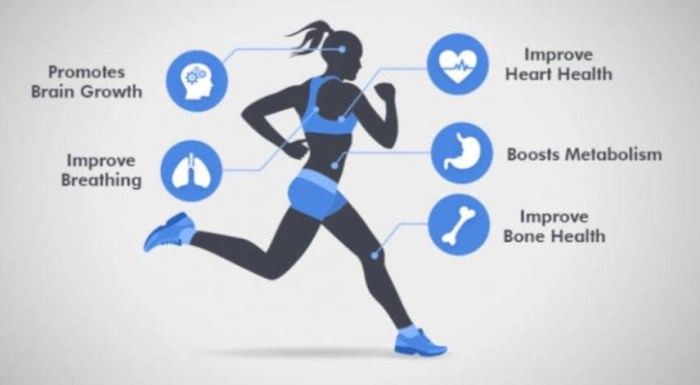
- Boosting metabolism and aiding in weight management, which is beneficial for heart health.
Balanced Nutrition
Maintaining a balanced diet is crucial for supporting cardiovascular health. A combination of nutrient-rich foods can help lower the risk of heart disease and improve overall well-being.
Role of Balanced Nutrition
Balanced nutrition plays a vital role in promoting cardiovascular health by providing essential nutrients that support heart function. Key components of a heart-healthy diet include:
- Healthy fats: Foods rich in omega-3 fatty acids, such as salmon, flaxseeds, and walnuts, can help reduce inflammation and lower cholesterol levels.
- Fruits and vegetables: These are packed with vitamins, minerals, and antioxidants that protect against heart disease and improve blood pressure.
- Whole grains: High-fiber foods like oats, brown rice, and quinoa can help lower cholesterol and support healthy digestion.
- Lean proteins: Sources like skinless poultry, beans, and legumes provide essential amino acids without the saturated fat found in red meat.
- Dairy or dairy alternatives: Calcium-rich foods like low-fat milk or fortified plant-based milks support bone health and can help regulate blood pressure.
It is important to focus on a variety of nutrient-dense foods to ensure you are getting a wide range of essential nutrients for optimal heart health.
Importance of Balanced Diet with Fitness Goals
Incorporating a balanced diet alongside fitness goals is essential for achieving optimal cardiovascular health. While exercise is crucial for strengthening the heart and improving circulation, nutrition provides the building blocks for a healthy cardiovascular system. By fueling your body with the right nutrients, you can enhance the benefits of exercise and reduce the risk of heart disease.
Physical Activities
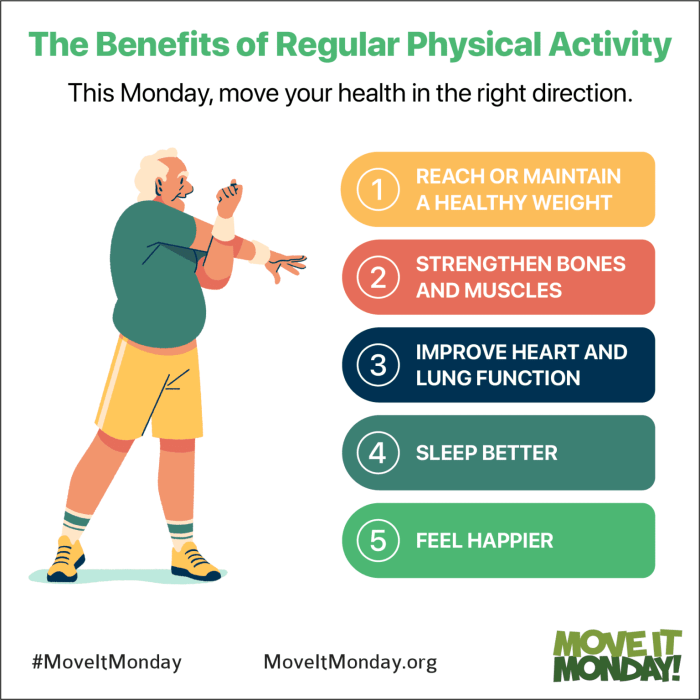
Regular physical activities play a crucial role in improving cardiovascular health by strengthening the heart muscle, improving circulation, and lowering blood pressure. Exercise also helps in reducing the risk of heart disease and stroke.
List of Effective Exercises for Cardiovascular Fitness
- Brisk walking or jogging
- Cycling
- Swimming
- Aerobic exercises such as dancing or Zumba
- Jump rope
Recommended Frequency and Intensity
Regular cardiovascular exercise is recommended for at least 150 minutes per week, spread out over several days. It is important to maintain a moderate intensity level, where you are able to talk but not sing during the activity. As you progress, you can gradually increase the intensity to challenge your heart and improve overall fitness.
Health Coaching
Health coaching plays a crucial role in guiding individuals towards achieving their cardiovascular fitness goals. These professionals provide personalized support, motivation, and accountability to help clients make lasting lifestyle changes for better heart health.
Supportive Guidance
Health coaches can offer personalized guidance tailored to an individual’s specific needs and goals. They can help clients create realistic action plans, set achievable milestones, and provide ongoing support and encouragement throughout the journey to improved cardiovascular fitness.
Motivation and Accountability
One of the key benefits of working with a health coach is the motivation they provide. Coaches can help clients stay focused and committed to their fitness goals, even when faced with challenges or setbacks. By holding clients accountable and tracking progress, health coaches help individuals stay on track and maintain their momentum towards better heart health.
Incorporating Health Coaching into a Wellness Plan
Integrating health coaching into a wellness plan focused on cardiovascular fitness can lead to more sustainable and long-lasting results. By addressing not only physical activity and nutrition but also mindset and behavior change, health coaches can help individuals develop healthy habits that support overall heart health. The personalized support and guidance provided by health coaches can make a significant difference in helping individuals achieve and maintain their cardiovascular fitness goals.
Mental Strength
Fitness goals for improving cardiovascular health – When it comes to cardiovascular health, mental strength plays a crucial role in achieving overall well-being. The mind-body connection is a powerful force, and cultivating mental resilience can have a significant impact on heart health.
Connection Between Mental Strength and Cardiovascular Health
Research has shown that high levels of stress, anxiety, and negative emotions can contribute to the development of heart disease. Chronic stress can lead to increased blood pressure, inflammation, and a higher risk of heart attacks. On the other hand, individuals with strong mental resilience are better equipped to cope with stress, maintain a positive outlook, and make healthier lifestyle choices, ultimately benefiting their cardiovascular health.
Strategies for Improving Mental Resilience
- Practice mindfulness and meditation to reduce stress and promote relaxation.
- Engage in regular physical activity, which can release endorphins and improve mood.
- Build a strong support system of friends and family to provide emotional support during challenging times.
- Develop healthy coping mechanisms for dealing with stress, such as deep breathing exercises or journaling.
- Seek professional help if needed, such as therapy or counseling, to address underlying mental health issues.
Positive Mindset and Fitness Goals
Cultivating a positive mindset is essential for achieving fitness goals related to cardiovascular health. When individuals approach their health journey with optimism, they are more likely to stay motivated, adhere to exercise routines, and make sustainable lifestyle changes. Positive thinking can also help reduce stress, improve resilience, and enhance overall well-being, all of which are beneficial for heart health.
Yoga Practice
Incorporating yoga into a fitness routine can have significant benefits for cardiovascular health. Yoga combines physical postures, breathing exercises, and meditation to promote overall well-being, including improved heart health.
When it comes to cardiovascular fitness, specific yoga poses and sequences can help strengthen the heart, reduce stress, and improve circulation. Poses that focus on deep breathing, such as Pranayama, can help increase lung capacity and oxygen uptake, which are essential for a healthy heart. Additionally, poses like Downward-Facing Dog, Cobra Pose, and Bridge Pose can help improve blood flow and circulation throughout the body.
Regular yoga practice has been shown to lower blood pressure, reduce inflammation, and improve heart rate variability, all of which contribute to better cardiovascular health. By incorporating yoga into your fitness routine, you can not only strengthen your heart but also experience a sense of calm and relaxation that can benefit your overall well-being.
Yoga Poses for Heart Health
- Pranayama (Breathwork): Focuses on deep, intentional breathing to improve lung capacity and oxygen uptake.
- Downward-Facing Dog: Helps improve circulation and blood flow throughout the body.
- Cobra Pose: Opens up the chest and strengthens the heart muscles.
- Bridge Pose: Stimulates the thyroid gland and improves blood circulation to the heart.
Health Awareness
Raising awareness about cardiovascular health and fitness goals is crucial in promoting overall well-being and reducing the risk of heart-related diseases. By educating individuals about the importance of maintaining a healthy heart, we can empower them to make informed choices and adopt healthier lifestyles.
Campaigns and Initiatives
Various campaigns and initiatives have been launched to promote heart health awareness. For example, the American Heart Association’s “Go Red for Women” campaign aims to raise awareness about heart disease in women and educate them about the preventive measures they can take. Another initiative is the World Heart Day, which is celebrated globally to inform people about cardiovascular diseases and encourage heart-healthy habits.
Role of Education and Public Awareness
Education and public awareness play a significant role in preventing cardiovascular diseases. By providing information about risk factors, symptoms, and preventive measures, individuals can make better choices for their heart health. Public awareness campaigns, school programs, and community workshops all contribute to spreading knowledge and encouraging healthy behaviors that can ultimately reduce the burden of heart disease.
Preventive Medicine
Preventive medicine plays a vital role in maintaining cardiovascular health by focusing on early detection and intervention to prevent heart diseases. By incorporating screenings, vaccinations, and lifestyle changes, individuals can significantly reduce their risk of developing heart-related issues.
Screenings and Tests
Regular screenings and tests are essential for identifying any potential heart problems before they escalate. These may include blood pressure checks, cholesterol levels, and electrocardiograms to monitor heart function.
Vaccinations
Vaccinations against diseases like influenza and pneumonia can help prevent infections that may lead to heart complications. By staying up-to-date with immunizations, individuals can protect their heart health.
Lifestyle Changes
Implementing lifestyle changes such as maintaining a healthy diet, staying physically active, managing stress, and quitting smoking can significantly reduce the risk of heart diseases. These modifications play a crucial role in preventing cardiovascular issues in the long run.
Early Detection and Intervention, Fitness goals for improving cardiovascular health
Early detection of risk factors and symptoms associated with heart diseases is key to preserving heart health. By seeking medical advice promptly and following recommended treatment plans, individuals can prevent the progression of heart-related conditions.
FAQ
What are some examples of fitness goals for improving cardiovascular health?
Examples include running a 5k, cycling for 30 minutes daily, or achieving a target heart rate during workouts.
How can health coaching support individuals in achieving their cardiovascular fitness goals?
Health coaches offer guidance, motivation, and accountability to help individuals stay on track with their fitness goals.
What is the role of mental strength in relation to cardiovascular health?
Mental resilience plays a key role in staying committed to fitness goals, ultimately benefiting heart health and overall well-being.


More Stories