Easy Recipes for Balanced Nutrition
Easy recipes for balanced nutrition – When it comes to maintaining a healthy diet, it’s essential to focus on balanced nutrition. Here are some tips and recipes to help you achieve that:
Examples of Simple Recipes
One easy recipe that offers a good balance of nutrients is a quinoa salad with mixed vegetables. Another option is a grilled chicken breast with roasted sweet potatoes and steamed broccoli.
Cooking Methods for Retaining Nutritional Value
- Opt for steaming or roasting instead of frying to retain the nutrients in vegetables.
- Try grilling or baking meats instead of pan-frying to reduce the added fat content.
- Use herbs and spices to add flavor without relying on salt or excessive condiments.
Creating Balanced Meals with Different Food Groups
It’s important to include a variety of food groups in your meals to ensure balanced nutrition. Try to incorporate protein, carbohydrates, healthy fats, fruits, and vegetables in each meal.
Importance of Portion Control
- Monitor your portion sizes to avoid overeating and maintain a healthy weight.
- Use smaller plates to help control portion sizes without feeling deprived.
- Listen to your body’s hunger cues and stop eating when you feel satisfied, not overly full.
Healthy Snacks
When it comes to maintaining a balanced diet, healthy snacks play a crucial role in providing essential nutrients and sustaining energy levels throughout the day. Choosing nutritious snack options can help curb cravings, improve focus, and support overall well-being.
Whole Foods vs. Processed Snacks
Eating whole foods as snacks, such as fruits, vegetables, nuts, and seeds, provides a wide range of vitamins, minerals, and fiber compared to processed snacks high in added sugars, salt, and unhealthy fats. Whole foods offer sustained energy and promote satiety, making them a better choice for snacking.
- Whole fruits like apples, berries, and bananas are convenient and rich in vitamins and antioxidants.
- Raw vegetables like carrots, cucumbers, and bell peppers offer crunch and hydration with minimal calories.
- Nuts and seeds such as almonds, walnuts, and chia seeds provide healthy fats and protein for lasting energy.
Opting for whole foods over processed snacks can help reduce the intake of empty calories and artificial ingredients, promoting better overall health.
Planning and Preparing Healthy Snacks
Taking the time to plan and prepare healthy snacks in advance can make it easier to make nutritious choices throughout the day, especially when on the go or busy with work. Simple strategies like batch cooking, portioning out snacks, and having healthy options readily available can help avoid reaching for less nutritious alternatives.
- Pre-cutting fruits and vegetables and storing them in containers for easy grab-and-go options.
- Preparing homemade trail mix with nuts, seeds, and dried fruits for a balanced snack rich in nutrients.
- Baking whole grain muffins or energy bars ahead of time for a satisfying treat without the excess sugar found in many store-bought snacks.
By planning and preparing healthy snacks, individuals can make mindful choices that support their nutritional needs and energy levels throughout the day.
Wellness Programs
Wellness programs are designed to promote overall health and well-being by incorporating various activities and initiatives that focus on improving physical, mental, and emotional wellness.
Types of Wellness Programs
- Employee Wellness Programs: Offered by employers to support the health and well-being of their employees, often including fitness challenges, mental health resources, and nutritional guidance.
- Community Wellness Programs: Organized within communities to provide access to health education, fitness classes, and resources for individuals of all ages.
- Virtual Wellness Programs: Increasingly popular in the digital age, these programs offer online resources, virtual fitness classes, and mental health support for individuals who may not have access to in-person services.
Components of a Successful Wellness Program
- Health Education: Providing information on nutrition, exercise, stress management, and other health-related topics.
- Physical Activity: Encouraging regular exercise through fitness classes, challenges, and access to workout facilities.
- Mental Health Support: Offering resources for managing stress, anxiety, and other mental health concerns.
Examples of Activities in Wellness Programs
- Yoga Classes: Promote physical flexibility, strength, and mental relaxation.
- Nutritional Workshops: Educate individuals on healthy eating habits and meal planning.
- Stress Management Seminars: Provide strategies for coping with stress and improving mental well-being.
Impact of Wellness Programs, Easy recipes for balanced nutrition
Wellness programs have been shown to have a positive impact on individuals’ physical and mental well-being by reducing stress, improving overall health, increasing productivity, and enhancing quality of life.
Physical Therapy
Physical therapy plays a crucial role in both rehabilitation and injury prevention. It involves the use of exercises, manual therapy, and various modalities to help individuals recover from injuries, manage pain, and improve their overall physical function.
Benefits of Physical Therapy
- Improves mobility and flexibility
- Helps reduce pain and inflammation
- Enhances strength and endurance
- Promotes proper body mechanics and posture
Common Exercises and Techniques
- Therapeutic exercises such as stretching, strengthening, and balance training
- Manual therapy techniques like massage and joint mobilization
- Modalities such as heat, ice, ultrasound, and electrical stimulation
Role in Achieving Fitness Goals
Physical therapy can be an integral part of an individual’s fitness routine as it helps in preventing injuries, improving performance, and enhancing overall well-being. By addressing muscle imbalances, correcting movement patterns, and increasing functional capacity, physical therapy can assist individuals in reaching their fitness goals effectively and safely.
Health Coaching
Health coaching is a personalized and collaborative approach to help individuals achieve their health and wellness goals. It involves working with a trained professional who provides guidance, support, and accountability to empower clients to make positive lifestyle changes.
Benefits of Health Coaching
- Improved overall health and well-being
- Increased motivation and accountability
- Customized strategies for individual needs
- Enhanced self-awareness and self-efficacy
Examples of Health Coaching Support
Health coaches support individuals by:
- Creating personalized wellness plans
- Providing education on nutrition and exercise
- Offering emotional support and guidance
- Tracking progress and adjusting goals as needed
Role of Goal Setting in Health Coaching
Goal setting is essential in health coaching sessions as it helps:
- Set clear objectives to work towards
- Measure progress and success
- Motivate individuals to stay focused and committed
- Create a roadmap for achieving desired outcomes
Enhancing Motivation and Accountability
Health coaching enhances motivation and accountability by:
- Providing ongoing support and encouragement
- Setting achievable short-term goals
- Celebrating successes and milestones
- Encouraging reflection and learning from setbacks
Medical Advancements
Recent advancements in medical technology and treatments have revolutionized healthcare, leading to better health outcomes for patients worldwide. These breakthroughs have not only improved patient care but also expanded treatment options, offering hope and healing to many individuals facing various health challenges.
Robotic Surgery
Robotic surgery is a cutting-edge medical procedure that has gained popularity in recent years. By utilizing robotic arms controlled by skilled surgeons, this minimally invasive technique allows for greater precision and smaller incisions, resulting in reduced pain, shorter recovery times, and better surgical outcomes for patients.
Precision Medicine
Precision medicine is another innovative approach that tailors medical treatment to the individual characteristics of each patient. By considering factors such as genetics, lifestyle, and environment, healthcare providers can personalize therapies for better results, leading to more effective treatments and improved patient outcomes.
Telemedicine
Telemedicine has emerged as a convenient and efficient way to deliver healthcare services remotely, especially during the global pandemic. Through virtual consultations and remote monitoring, patients can access medical care from the comfort of their homes, improving access to healthcare services and enhancing patient convenience.
Future Trends
Looking ahead, future trends in medical advancements are expected to focus on areas such as artificial intelligence, nanotechnology, and regenerative medicine. These cutting-edge technologies hold the potential to further transform healthcare delivery, offering new solutions for complex medical conditions and improving overall patient care in the years to come.
Fitness Goals
Setting fitness goals is crucial for individuals looking to improve their physical health and overall well-being. It provides direction, motivation, and a sense of accomplishment. However, it is essential to set realistic and achievable goals to ensure success and prevent burnout. Tracking progress towards these goals is also important to stay on track and make necessary adjustments. Lastly, motivation plays a significant role in achieving and sustaining fitness goals, as it helps individuals stay focused and committed to their objectives.
Types of Fitness Goals
- Cardiovascular Endurance: Improving the efficiency of the heart and lungs through activities like running, cycling, or swimming.
- Strength Training: Building muscle mass and strength through weightlifting or bodyweight exercises.
- Flexibility and Mobility: Enhancing range of motion and joint flexibility through stretching and mobility exercises.
- Weight Management: Achieving and maintaining a healthy weight through a combination of diet and exercise.
Importance of Realistic Goals
- Prevents Overtraining: Setting realistic goals helps prevent overtraining and reduces the risk of injuries.
- Boosts Confidence: Achieving smaller, attainable goals boosts confidence and keeps individuals motivated.
- Long-Term Success: Realistic goals are sustainable and contribute to long-term success in maintaining a healthy lifestyle.
Tracking Progress
- Keep a Workout Journal: Record workouts, sets, reps, and progress to track improvements over time.
- Use Fitness Apps: Utilize apps to monitor workouts, track calories, and set reminders for consistency.
- Measurements and Photos: Take measurements and progress photos to visually see changes in body composition.
Role of Motivation
- Set Rewards: Establish rewards for achieving milestones to stay motivated and celebrate progress.
- Find a Workout Buddy: Partnering with someone can provide accountability and motivation to stick to a fitness routine.
- Visualize Success: Imagine reaching fitness goals and how it will positively impact overall health and well-being.
Balanced Nutrition
Understanding the concept of balanced nutrition is essential for maintaining overall health and well-being. It involves ensuring that your body receives the right amount of nutrients from a variety of food sources to support optimal functioning.
Essential Nutrients for a Well-Balanced Diet
When planning a well-balanced diet, it’s crucial to include the following essential nutrients:
- Proteins: Needed for growth, repair, and maintenance of body tissues.
- Carbohydrates: Provide energy for daily activities.
- Fats: Important for cell structure, hormone production, and insulation.
- Vitamins: Play a crucial role in various bodily functions and disease prevention.
- Minerals: Essential for processes like bone formation, fluid balance, and nerve function.
- Fiber: Aids in digestion and helps maintain a healthy weight.
Strategies for Planning Nutrient-Rich Meals
To ensure your meals meet nutritional requirements, consider the following strategies:
- Include a variety of fruits, vegetables, whole grains, lean proteins, and healthy fats in your diet.
- Plan your meals ahead of time to avoid unhealthy food choices when hungry.
- Read food labels to understand the nutritional content of products.
- Cook meals at home to have better control over ingredients and portion sizes.
- Stay hydrated by drinking an adequate amount of water throughout the day.
Long-Term Benefits of Maintaining a Balanced Diet
Maintaining a balanced diet offers numerous long-term benefits for your health, including:
- Reduced risk of chronic diseases such as heart disease, diabetes, and certain cancers.
- Improved energy levels and overall well-being.
- Healthy weight management and reduced risk of obesity.
- Enhanced mental clarity and cognitive function.
- Stronger immune system to fight off infections and illnesses.
Mental Strength
Mental strength plays a crucial role in our ability to navigate challenges and setbacks in life. It involves resilience, perseverance, and the ability to bounce back from adversity. Developing mental strength is essential for maintaining overall well-being and achieving success in various aspects of life.
Strategies for Improving Mental Resilience
- Practice mindfulness and meditation to cultivate a sense of calm and focus.
- Develop a positive mindset by focusing on gratitude and positive affirmations.
- Set realistic goals and break them down into manageable steps to avoid feeling overwhelmed.
- Seek support from friends, family, or a therapist to help process emotions and gain perspective.
Mental Exercises for Enhancing Mental Strength
- Journaling to express thoughts and feelings, and reflect on challenges and growth.
- Visualization techniques to imagine success and build confidence in facing obstacles.
- Engaging in regular physical exercise to boost mood and reduce stress levels.
- Practicing deep breathing exercises to calm the mind and regulate emotions.
Connection Between Mental Strength and Overall Well-Being
Mental strength is closely linked to overall well-being as it enables individuals to cope with stress, maintain mental health, and achieve personal and professional goals. By developing mental resilience and coping mechanisms, individuals can improve their quality of life and build a strong foundation for long-term success and happiness.
Yoga Practice
Yoga is a holistic practice that combines physical postures, breathing exercises, and meditation to promote overall well-being. Incorporating yoga into a wellness routine can have numerous benefits for both the body and mind.
Types of Yoga Practices and Benefits
- Hatha Yoga: Focuses on basic postures and breathing techniques, great for beginners and improving flexibility.
- Vinyasa Yoga: A more dynamic practice that links movement with breath, promoting cardiovascular health and strength.
- Ashtanga Yoga: A rigorous practice that follows a specific sequence of poses, enhancing stamina and focus.
- Bikram Yoga: Practiced in a heated room, it helps with detoxification and improving flexibility.
Tips for Beginners
- Start with beginner-friendly classes or online tutorials to learn the basics.
- Focus on your breath and listen to your body to avoid overexertion.
- Invest in a good quality yoga mat for added comfort and stability.
- Be patient with yourself and practice regularly to see progress.
Stress Relief and Improved Flexibility
Yoga can be a powerful tool for stress relief as it encourages relaxation and mindfulness through breathing techniques and meditation. The physical postures help improve flexibility by stretching and strengthening muscles, leading to better mobility and reduced risk of injury.
Health Education
Health education plays a crucial role in promoting healthy lifestyle choices and empowering individuals to take control of their well-being. By providing valuable information and resources, health education programs aim to educate people on various aspects of health and wellness, ultimately leading to improved quality of life.
Key Topics Covered in Health Education Programs
- The importance of balanced nutrition and healthy eating habits.
- The benefits of regular physical activity and exercise.
- Mental health awareness and strategies for stress management.
- Prevention and management of chronic diseases such as diabetes, heart disease, and obesity.
- Substance abuse prevention and education.
Examples of Effective Health Education Initiatives
- A community program offering cooking classes and nutrition workshops to promote healthy eating habits.
- A school curriculum that includes physical education classes and mental health awareness sessions.
- An online platform providing resources and support for individuals looking to quit smoking or reduce alcohol consumption.
Impact of Health Education on Individuals’ Well-being
Health education has a significant impact on individuals’ well-being by empowering them with the knowledge and skills needed to make informed decisions about their health. By promoting healthy behaviors and providing access to resources, health education programs can help prevent diseases, improve overall quality of life, and enhance individuals’ physical, mental, and emotional well-being.
Weight Management
Maintaining a healthy weight is essential for overall well-being and reducing the risk of various health conditions. Let’s explore the factors that contribute to weight management and healthy weight loss, strategies for sustainable weight loss, creating a balanced diet and exercise plan, and the psychological aspects of body image.
Factors Contributing to Weight Management
- Caloric Intake: Consuming the right amount of calories based on individual needs and goals is crucial for weight management.
- Physical Activity: Regular exercise helps burn calories, build lean muscle mass, and boost metabolism.
- Metabolism: Factors like age, genetics, and hormonal balance can influence metabolic rate and weight management.
- Stress Levels: High stress levels can lead to emotional eating and weight gain, affecting overall health.
Strategies for Sustainable Weight Loss
- Set Realistic Goals: Establish achievable weight loss targets to stay motivated and track progress effectively.
- Healthy Eating Habits: Focus on whole foods, portion control, and mindful eating to support weight loss and overall health.
- Regular Exercise Routine: Incorporate a mix of cardio, strength training, and flexibility exercises for optimal results.
- Hydration: Drinking an adequate amount of water can aid in digestion, curb cravings, and support weight loss efforts.
Creating a Balanced Diet and Exercise Plan
- Include a Variety of Nutrients: Ensure a balanced intake of carbohydrates, proteins, fats, vitamins, and minerals for overall health.
- Meal Planning: Prepare healthy meals in advance to avoid impulsive food choices and stay on track with your nutrition goals.
- Consistent Physical Activity: Find activities you enjoy and make them a regular part of your routine for long-term weight management.
- Monitor Progress: Keep track of your food intake, exercise regimen, and weight changes to adjust your plan as needed.
Psychological Aspects of Weight Management and Body Image
- Self-compassion: Practice self-care, positive self-talk, and acceptance to foster a healthy relationship with your body.
- Body Positivity: Focus on overall health and well-being rather than a number on the scale to promote a positive body image.
- Seek Support: Connect with friends, family, or a professional counselor to address any emotional challenges related to weight management.
- Mindful Eating: Pay attention to hunger cues, emotional triggers, and satisfaction levels to develop a healthy relationship with food.
Health Checkups
Regular health checkups are essential for preventive care, as they help in early detection and prevention of potential health issues. These checkups allow healthcare providers to monitor your overall well-being and catch any problems before they escalate.
Key Screenings and Tests
- For individuals in their 20s and 30s, regular screenings for blood pressure, cholesterol, and sexually transmitted infections are recommended.
- As people reach their 40s and 50s, screenings for diabetes, colorectal cancer, and osteoporosis become important.
- For those over 60, screenings for vision and hearing loss, as well as bone density tests, are crucial.
Tips for Appointment Preparation
- Make a list of questions or concerns to discuss with your healthcare provider.
- Bring a list of current medications, including supplements.
- Wear comfortable clothing and be prepared to provide a urine sample if needed.
Role in Early Detection and Prevention
Regular health checkups play a vital role in early detection and prevention of health issues. They help identify risk factors and allow for timely interventions to maintain good health. By staying proactive with your health checkups, you can take control of your well-being and lead a healthier life.
Skin Health
Skincare plays a crucial role in overall health and well-being as our skin is the largest organ in our body, serving as a protective barrier against external elements. It is essential to maintain healthy skin to prevent infections, regulate body temperature, and support our overall health.
Common Skin Issues and Conditions
- Acne: A common skin condition characterized by clogged pores, bacteria, and inflammation. Management includes proper cleansing, topical treatments, and sometimes medication.
- Eczema: A chronic condition that causes skin inflammation, redness, and itchiness. Treatment involves moisturizing, avoiding triggers, and using prescribed medications.
- Psoriasis: An autoimmune disease that leads to rapid skin cell growth, resulting in thick, red patches with silvery scales. Management includes topical treatments, phototherapy, and systemic medications.
Tips for Healthy Skin
- Cleanse your skin gently twice a day to remove dirt and impurities.
- Moisturize regularly to keep your skin hydrated and supple.
- Protect your skin from the sun by using sunscreen daily.
- Eat a balanced diet rich in fruits, vegetables, and essential nutrients for skin health.
Skin Health, Self-Esteem, and Confidence
Healthy skin can positively impact self-esteem and confidence levels. When our skin looks and feels good, we are more likely to feel confident in ourselves and our appearance. Taking care of our skin through skincare routines and practices can boost our self-image and overall well-being.
Emotional Health
Emotional health refers to the ability to understand and manage our emotions in a positive way, which plays a crucial role in our overall well-being. It impacts how we think, feel, and act, influencing our relationships, work performance, and physical health.
Strategies for Managing Emotional Challenges
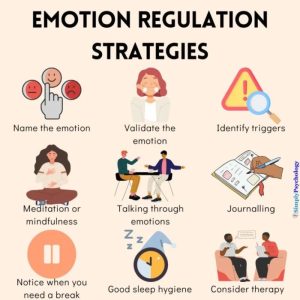
- Practice mindfulness and meditation to stay present and reduce stress.
- Engage in regular physical activity to release endorphins and boost mood.
- Connect with loved ones for social support and a sense of belonging.
- Seek professional help through therapy or counseling when needed.
Activities for Promoting Emotional Well-Being
- Journaling to express feelings and thoughts.
- Yoga for relaxation and stress relief.
- Art therapy to explore emotions creatively.
- Listening to music or engaging in hobbies for enjoyment and distraction.
Importance of Seeking Support for Mental Health Concerns
It is essential to seek support for mental health concerns to prevent them from escalating and impacting other areas of life. Professional help can provide coping strategies, tools for managing emotions, and a safe space to address and process underlying issues.
Health Motivation
Staying motivated to maintain a healthy lifestyle can be challenging, but it is essential for long-term well-being. Setting realistic goals and having the right support system can make a significant difference in staying on track. Rewards, motivational quotes, and affirmations can also play a crucial role in boosting motivation. Let’s explore some strategies to help you stay motivated on your health journey.
Role of Goal Setting and Rewards
Setting specific, achievable goals is key to maintaining motivation. Break down larger goals into smaller milestones to track progress effectively. Reward yourself when you reach these milestones to reinforce positive behavior. This can be anything from treating yourself to a healthy meal or indulging in a relaxing activity.
Motivational Quotes and Affirmations
Motivational quotes and affirmations can serve as powerful reminders of why you started your health journey. Here are some examples:
“You are stronger than you think.”
“Progress, not perfection.”
“Believe in yourself and all that you are.”
Repeat these affirmations daily to stay focused and motivated towards your health goals.
Social Support and Accountability
Building a strong support system can provide the encouragement and accountability needed to stay motivated. Join a fitness group, workout with a friend, or share your progress on social media to stay connected with like-minded individuals. Having someone to celebrate your successes and offer support during challenges can significantly boost your motivation levels.
Physical Activities
Regular physical activity is essential for improving overall fitness and health. It not only helps in maintaining a healthy weight but also reduces the risk of chronic diseases such as heart disease, diabetes, and hypertension. Incorporating different types of physical activities into your daily routine can have numerous benefits.
Types of Physical Activities
- Cardiovascular Exercises: Activities like running, cycling, swimming, and dancing help improve heart health and endurance.
- Strength Training: Weightlifting or bodyweight exercises help build muscle strength and bone density.
- Flexibility and Balance Exercises: Yoga, Pilates, and Tai Chi improve flexibility, balance, and posture.
- High-Intensity Interval Training (HIIT): Alternating between intense bursts of activity and short rest periods can boost metabolism and improve cardiovascular fitness.
Benefits of Regular Exercise
- Improves cardiovascular health
- Boosts mood and mental well-being
- Increases energy levels
- Enhances sleep quality
- Helps in weight management
Finding Enjoyable Activities
- Experiment with different activities to find what you enjoy the most
- Join group classes or sports teams for social interaction and motivation
- Set goals and track your progress to stay motivated
- Consider outdoor activities for a change of scenery and fresh air
Importance of Varying Workouts
- Prevents exercise plateaus and boredom
- Challenges different muscle groups for balanced fitness
- Reduces the risk of overuse injuries
- Keeps workouts interesting and engaging
Health Awareness

Raising awareness about common health issues is crucial in promoting overall well-being and preventing diseases. By educating the public about the importance of healthy lifestyle choices and regular health check-ups, individuals can take proactive steps towards maintaining good health.
Health campaigns and initiatives play a significant role in spreading awareness and encouraging individuals to prioritize their health. These initiatives often utilize various platforms such as social media, community events, and partnerships with healthcare providers to reach a wide audience and deliver important health messages.
Successful Health Awareness Programs
- One successful health awareness program is the “Movember” campaign, which raises awareness about men’s health issues, such as prostate cancer and mental health. This initiative encourages men to prioritize their health and seek necessary medical help.
- The “Go Red for Women” campaign focuses on raising awareness about heart disease in women, empowering them to take control of their heart health through lifestyle changes and regular screenings.
- The “World AIDS Day” campaign aims to educate the public about HIV/AIDS, reduce stigma, and promote testing and treatment options for those affected by the disease.
Increased health awareness has a positive impact on public health outcomes by encouraging early detection of diseases, promoting healthy behaviors, and reducing healthcare disparities. When individuals are well-informed about health issues, they are more likely to make informed decisions about their well-being, leading to improved overall health in communities.
Preventive Medicine: Easy Recipes For Balanced Nutrition
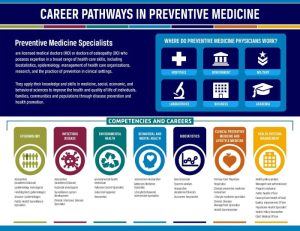
Preventive medicine is a branch of medical practice that focuses on disease prevention rather than just treating symptoms after they appear. By identifying and addressing risk factors early on, preventive medicine aims to reduce the likelihood of individuals developing certain health conditions.
Role of Vaccinations, Screenings, and Lifestyle Modifications
- Vaccinations play a crucial role in preventive healthcare by protecting individuals from infectious diseases. By getting vaccinated, individuals not only protect themselves but also contribute to the overall community immunity.
- Screenings such as mammograms, colonoscopies, and blood tests help detect diseases in their early stages when they are more treatable. Regular screenings based on age and risk factors are essential for early detection.
- Lifestyle modifications, including adopting a balanced diet, regular exercise, stress management, and avoiding harmful habits like smoking and excessive alcohol consumption, can significantly reduce the risk of developing chronic diseases.
Examples of Effective Preventive Medicine Strategies
- Implementing national immunization programs to eradicate diseases like polio and measles.
- Encouraging regular health screenings for conditions like hypertension, diabetes, and certain cancers.
- Promoting healthy lifestyle habits through community education and awareness campaigns.
Cost-Effectiveness and Long-Term Benefits
Preventive medicine is not only cost-effective in the long run but also offers numerous benefits to individuals and society as a whole. By investing in preventive measures, healthcare systems can reduce the burden of treating advanced diseases, improve quality of life, and ultimately save on healthcare costs in the future.
Nutritional Counseling
Nutritional counseling plays a crucial role in supporting individuals’ dietary needs by providing personalized guidance and education on healthy eating habits. It involves working closely with a nutrition counselor or dietitian to create a tailored plan that meets specific health goals and addresses nutritional deficiencies.
Benefits of Nutritional Counseling
- Individualized Plans: Nutrition counselors develop customized meal plans based on individual needs, preferences, and health conditions.
- Educational Support: Clients receive valuable information on food choices, portion control, and nutrient intake to make informed decisions.
- Behavioral Changes: Nutritional counseling helps in establishing healthy eating habits and making sustainable lifestyle changes.
- Health Management: It aids in managing chronic conditions like diabetes, heart disease, and obesity through proper nutrition.
Tips to Find a Qualified Nutritional Counselor
- Check Credentials: Look for registered dietitians or certified nutritionists with relevant qualifications and experience.
- Seek Recommendations: Ask for referrals from healthcare providers, friends, or family members who have benefited from nutritional counseling.
- Consultation Process: Schedule an initial consultation to assess the counselor’s approach, communication style, and compatibility with your goals.
- Cost and Insurance: Inquire about fees, insurance coverage, and payment options to ensure affordability and accessibility.
Personalized Approach of Nutritional Counseling
Nutritional counseling takes a personalized approach by considering an individual’s unique health status, lifestyle factors, dietary preferences, and cultural background. This tailored approach helps in setting achievable goals, tracking progress, and making necessary adjustments to improve health outcomes effectively.
Healthy Mind
Maintaining a healthy mind is crucial for overall well-being and quality of life. The connection between mental health and physical health is undeniable, as they both influence each other significantly. A healthy mind can lead to better decision-making, improved relationships, increased productivity, and a higher sense of fulfillment in life.
Promoting Mental Wellness
- Engage in regular exercise: Physical activity has been proven to boost mood, reduce stress, and improve cognitive function.
- Practice mindfulness and meditation: These techniques can help reduce anxiety, enhance self-awareness, and promote emotional well-being.
- Get enough sleep: Quality rest is essential for cognitive function, memory consolidation, and overall mental health.
- Cultivate social connections: Building and maintaining relationships can provide emotional support, reduce feelings of loneliness, and improve mental resilience.
Self-Care Practices
- Set boundaries: Learn to say no when needed, prioritize your needs, and avoid overcommitting.
- Prioritize relaxation: Incorporate activities like reading, listening to music, or taking a bath to unwind and recharge.
- Eat a balanced diet: Proper nutrition can impact mood, energy levels, and cognitive function, so fueling your body with nutritious foods is essential.
- Seek professional help when needed: Don’t hesitate to reach out to a therapist or counselor if you’re struggling with your mental health.
Helpful Answers
Can I customize these easy recipes to suit my dietary preferences?
Yes, feel free to adapt the ingredients and cooking methods to align with your dietary needs and preferences. Cooking should be a flexible and enjoyable experience!
Are these recipes suitable for individuals with food allergies?
While the recipes focus on balanced nutrition, it’s essential to substitute any allergens with suitable alternatives. Always prioritize your health and well-being when preparing meals.
How can I ensure portion control while enjoying these easy recipes?
Using measuring tools, such as cups and spoons, can help you maintain appropriate portion sizes. Additionally, listening to your body’s hunger cues and practicing mindful eating can also aid in portion control.


More Stories