Healthy Snacks
When it comes to boosting mental strength and physical health, choosing nutritious snacks plays a crucial role in maintaining a balanced diet. These snacks not only provide essential nutrients but also help in improving energy levels throughout the day.
Nutritious Snack Options:
- Almonds: Packed with healthy fats, protein, and fiber, almonds are a great snack option that can keep you feeling full and satisfied.
- Greek Yogurt: Rich in protein and probiotics, Greek yogurt can support gut health and provide a good source of energy.
- Carrot Sticks with Hummus: This combination offers a balance of fiber, vitamins, and protein, making it a satisfying and nutritious snack.
- Apple Slices with Nut Butter: Apples provide natural sugars for quick energy, while nut butter adds healthy fats and protein for a well-rounded snack.
- Oatmeal: A bowl of oatmeal topped with fruits or nuts is not only a comforting snack but also a great source of complex carbohydrates for sustained energy.
Importance of Healthy Snacks:
Healthy snacks are essential for maintaining a balanced diet as they provide the body with necessary nutrients, support brain function, and help in managing weight. By incorporating nutritious snacks into your daily routine, you can prevent overeating during meals and ensure a steady supply of energy throughout the day.
Improving Energy Levels:
Consuming healthy snacks can help regulate blood sugar levels and prevent energy crashes. By choosing snacks that are rich in protein, fiber, and healthy fats, you can sustain your energy levels and focus, leading to better productivity and overall well-being.
Wellness Programs
Mental strength and physical health – Participating in workplace wellness programs can have numerous benefits for both mental and physical well-being. These programs are designed to promote a healthier lifestyle, reduce stress, increase productivity, and improve overall quality of life.
Activities in Wellness Programs
- Physical fitness challenges such as step competitions or group exercise classes
- Nutrition workshops and healthy cooking demonstrations
- Mental health seminars and stress management sessions
- Team-building exercises and social events
Promoting Work-Life Balance
Wellness programs play a crucial role in promoting a healthy work-life balance by encouraging employees to prioritize self-care and overall well-being. By offering activities and resources that support mental and physical health, employees can better manage stress, maintain a positive mindset, and improve their overall quality of life. This balance leads to increased job satisfaction, higher engagement levels, and a more positive work environment.
Physical Therapy
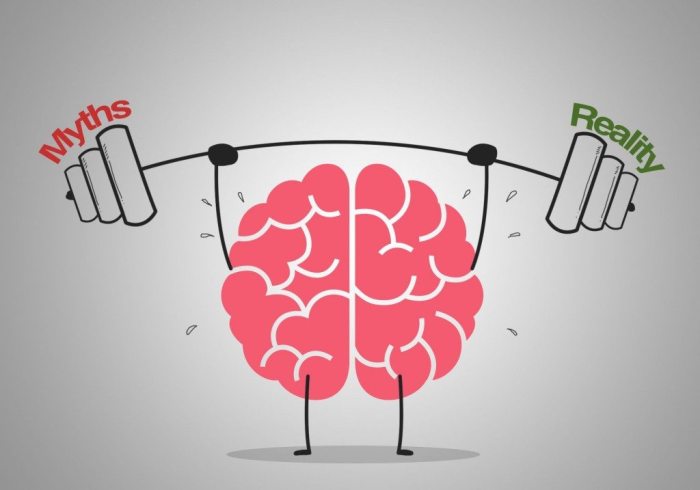
Physical therapy plays a crucial role in improving physical health and mental resilience by focusing on restoring and maintaining movement and function. It involves a variety of exercises, manual techniques, and modalities to help individuals recover from injuries, manage chronic conditions, and prevent future problems.
Common Conditions Treated
- Orthopedic injuries such as fractures, sprains, and strains
- Neurological conditions like stroke, multiple sclerosis, or spinal cord injuries
- Chronic pain conditions such as arthritis or fibromyalgia
- Sports-related injuries and rehabilitation
Importance of Consistency and Commitment
Physical therapy requires consistency and commitment to see optimal results. Attending regular sessions, following the prescribed exercises, and actively participating in the therapy process are essential for achieving the desired outcomes. It is important to communicate with your physical therapist, adhere to the treatment plan, and stay motivated throughout the rehabilitation journey.
Health Coaching
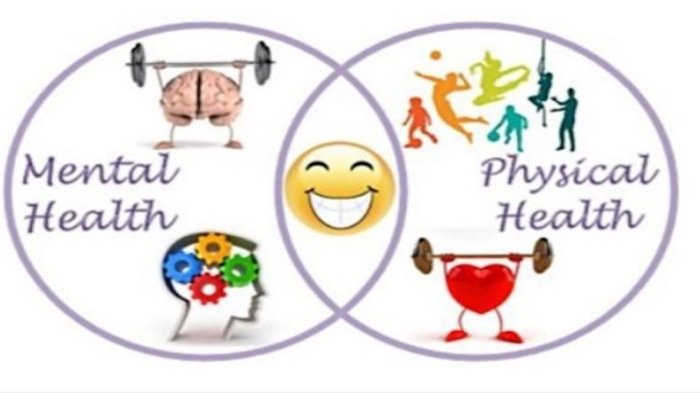
Health coaching plays a crucial role in guiding individuals towards better health choices. By providing personalized support and guidance, health coaches help individuals make sustainable lifestyle changes to improve their overall well-being.
Responsibilities of a Health Coach
- Assessing the client’s current health status, goals, and challenges.
- Creating personalized health plans tailored to the individual’s needs.
- Providing ongoing support, motivation, and accountability to help clients stay on track.
- Educating clients on nutrition, exercise, stress management, and other health-related topics.
- Empowering clients to take ownership of their health and well-being.
How Health Coaching Helps Achieve Fitness Goals
- Setting realistic and achievable fitness goals based on the individual’s capabilities.
- Developing a customized exercise plan that aligns with the client’s preferences and lifestyle.
- Monitoring progress, adjusting goals as needed, and celebrating milestones to keep clients motivated.
- Teaching clients proper exercise techniques and providing guidance on injury prevention.
- Encouraging a positive mindset and fostering a healthy relationship with physical activity.
Impact of Personalized Health Coaching
- Improves overall well-being by addressing physical, mental, and emotional health holistically.
- Enhances motivation and accountability, increasing the likelihood of long-term success.
- Helps individuals overcome barriers and challenges that may hinder their progress.
- Promotes self-awareness and self-care practices that lead to lasting lifestyle changes.
- Fosters a supportive and empowering relationship between the client and the health coach.
Medical Advancements
Medical technology has made significant strides in recent years, particularly in the field of mental health treatments. These advancements have not only improved the effectiveness of therapies but have also enhanced preventive medicine practices, leading to better outcomes for individuals seeking to maintain their mental strength and physical health.
Advancements in Mental Health Treatments
Medical advancements in the treatment of mental health conditions have revolutionized the way these disorders are managed. Innovations such as transcranial magnetic stimulation (TMS) and deep brain stimulation (DBS) have provided new avenues for individuals with treatment-resistant depression and other psychiatric disorders to find relief. These non-invasive techniques offer hope to patients who have not responded to traditional therapies, ultimately improving their quality of life.
Enhanced Preventive Medicine Practices
With the help of cutting-edge medical technologies, preventive medicine practices have been significantly enhanced. For example, genetic testing and personalized medicine have allowed healthcare providers to identify individuals at higher risk for certain conditions, enabling them to intervene early and prevent the development of chronic diseases. By leveraging these advancements, healthcare professionals can tailor treatment plans to the specific needs of each patient, ultimately promoting better health outcomes.
Future Implications of Medical Technologies
As medical technologies continue to advance, the future implications on mental strength and physical health are vast. From the development of more precise diagnostic tools to the utilization of artificial intelligence in treatment planning, the possibilities are endless. With the integration of telehealth services and wearable devices, individuals will have greater access to care and real-time monitoring of their health status. Overall, these advancements hold the potential to revolutionize healthcare delivery and empower individuals to take control of their well-being like never before.
Fitness Goals
Setting fitness goals is essential for progress and improvement in physical health. These goals should be realistic and achievable to prevent frustration and demotivation. Here are some tips on how to set effective fitness goals:
Importance of Tracking Progress
Tracking your progress towards fitness goals is crucial for staying motivated and on track. By monitoring your achievements, you can see how far you’ve come and identify areas that may need adjustment. This can help you stay focused and committed to reaching your ultimate fitness objectives.
- Use a fitness tracker or journal to record your workouts, measurements, and achievements.
- Set specific milestones and deadlines to keep yourself accountable and motivated.
- Celebrate small victories along the way to maintain a positive mindset and momentum.
Consistent Exercise for Mental Resilience
Consistent exercise not only improves physical health but also contributes to mental resilience and overall well-being. Here’s how regular physical activity can benefit your mental health:
- Exercise releases endorphins, which are known as “feel-good” hormones that can help reduce stress and anxiety.
- Physical activity can improve sleep quality, boost self-esteem, and increase energy levels, leading to a more positive outlook on life.
- Engaging in regular exercise routines can help you develop discipline, perseverance, and mental toughness, essential qualities for achieving fitness goals.
Balanced Nutrition
Proper nutrition plays a crucial role in supporting both mental strength and physical health. A balanced diet ensures that the body receives essential nutrients to function optimally, leading to improved cognitive function and physical performance.
Components of a Balanced Diet
A balanced diet consists of a variety of nutrient-rich foods that provide the body with the necessary vitamins, minerals, protein, carbohydrates, and healthy fats. Each component plays a specific role in maintaining overall health and well-being.
- Fruits and Vegetables: Rich in vitamins, minerals, and antioxidants, fruits and vegetables support immune function and reduce the risk of chronic diseases.
- Whole Grains: Provide fiber, B vitamins, and essential minerals for energy production and digestive health.
- Protein Sources: Lean meats, fish, eggs, legumes, and nuts are important for muscle repair, growth, and hormone production.
- Dairy or Dairy Alternatives: Calcium-rich foods support bone health and provide essential nutrients like vitamin D.
- Healthy Fats: Foods like avocados, nuts, seeds, and olive oil contain monounsaturated and polyunsaturated fats that are beneficial for heart health and brain function.
Nutrient-Rich Foods for Overall Well-being
Including nutrient-dense foods in your diet can enhance overall well-being and support mental clarity and physical vitality.
- Salmon: Rich in omega-3 fatty acids, salmon supports brain health and reduces inflammation.
- Spinach: Packed with vitamins A, C, and K, as well as iron and magnesium, spinach promotes energy production and supports immune function.
- Blueberries: High in antioxidants, blueberries protect against oxidative stress and improve cognitive function.
- Quinoa: A complete protein source, quinoa contains fiber and essential amino acids for muscle repair and sustained energy.
- Greek Yogurt: Probiotics in Greek yogurt support gut health, which is linked to improved mood and cognitive function.
Impact of Proper Nutrition on Cognitive Function and Physical Performance
Proper nutrition not only fuels the body but also influences cognitive function and physical performance. Nutrient-rich foods provide the necessary building blocks for brain health, mental clarity, and optimal physical function.
- Brain Function: Omega-3 fatty acids, antioxidants, and vitamins found in a balanced diet support neurotransmitter function, memory, and focus.
- Physical Performance: Carbohydrates for energy, protein for muscle repair, and hydration from water all contribute to improved physical performance during exercise and daily activities.
- Mood Regulation: Nutrient deficiencies can impact mood and mental well-being, emphasizing the importance of a balanced diet for emotional stability and stress management.
- Long-Term Health: Consistent consumption of nutrient-rich foods can reduce the risk of chronic diseases, support longevity, and enhance overall quality of life.
Mental Strength: Mental Strength And Physical Health
In the context of health and wellness, mental strength refers to the ability to effectively cope with challenges, setbacks, and stressors in a resilient manner. It involves having a positive mindset, emotional regulation, and the ability to bounce back from adversity.
Enhancing Mental Resilience
Building mental resilience is crucial for overall well-being. Here are some strategies to enhance mental strength:
- Practice mindfulness and meditation to increase self-awareness and reduce stress.
- Engage in regular physical exercise to boost mood and reduce anxiety.
- Cultivate a strong support system of friends, family, or professionals to lean on in times of need.
- Set realistic goals and celebrate small victories to build confidence and motivation.
- Develop healthy coping mechanisms such as journaling, hobbies, or relaxation techniques.
Connection Between Mental Strength and Physical Health
Mental strength and physical health are closely interconnected. Research has shown that individuals with high levels of mental resilience are more likely to have better physical health outcomes. This is because mental well-being can impact immune function, cardiovascular health, and overall longevity.
Yoga Practice
Regular yoga practice can have numerous benefits for both mental and physical health. Yoga combines physical postures, breathing techniques, meditation, and relaxation to promote overall well-being. It can help reduce stress, anxiety, and depression, while also improving flexibility, strength, and balance.
Types of Yoga and Their Effects
There are various types of yoga, each with its own focus and benefits:
- Hatha Yoga: Focuses on basic poses and breathing exercises, great for beginners and promoting relaxation.
- Vinyasa Yoga: Involves flowing movements synced with breath, improving strength and flexibility.
- Ashtanga Yoga: Follows a specific sequence of poses to build strength, flexibility, and stamina.
- Bikram Yoga: Practiced in a heated room to promote detoxification and improve flexibility.
- Yin Yoga: Involves holding poses for longer periods to target connective tissues and improve flexibility.
Tips for Incorporating Yoga into Daily Routine
Here are some tips to help you integrate yoga into your daily life for holistic well-being:
- Set aside a specific time each day for yoga practice to establish a routine.
- Start with short sessions and gradually increase the duration as you become more comfortable.
- Find a quiet and peaceful space to practice yoga to enhance relaxation and focus.
- Listen to your body and modify poses as needed to prevent injury and ensure comfort.
- Explore different types of yoga to find one that resonates with you and addresses your specific needs.
- Consider joining a yoga class or online community for guidance, motivation, and support.
Health Education
Health education plays a crucial role in promoting well-informed lifestyle choices among individuals. By providing knowledge and information on various health topics, it empowers individuals to make informed decisions regarding their mental and physical well-being.
Key Topics in Health Education
- The importance of regular exercise and physical activity
- Healthy eating habits and the significance of balanced nutrition
- Stress management techniques and the impact of stress on overall health
- Mental health awareness and strategies for maintaining emotional well-being
- Preventive healthcare measures and the importance of regular check-ups
Empowering Individuals through Health Education
Health education equips individuals with the knowledge and skills needed to take control of their mental and physical well-being. By understanding the importance of various health practices and lifestyle choices, individuals can make informed decisions that support their overall health and wellness goals.
Weight Management
Maintaining a healthy weight is crucial for overall health and well-being. It not only impacts physical health but also plays a significant role in mental well-being and self-esteem. Let’s explore some strategies for achieving and sustaining a healthy weight.
Impact on Mental Well-being and Self-esteem
When individuals are able to manage their weight effectively, it can have a positive impact on their mental health and self-esteem. Being at a healthy weight can boost confidence, improve body image, and reduce feelings of anxiety or depression. It allows individuals to feel more comfortable in their own skin and enhances their overall quality of life.
Connection with Physical Health Conditions
Maintaining a healthy weight is closely linked to preventing various physical health conditions such as heart disease, diabetes, high blood pressure, and joint problems. Excess weight can put strain on the body and increase the risk of developing chronic illnesses. By managing weight through proper nutrition and regular exercise, individuals can reduce the likelihood of developing these health issues and improve their overall well-being.
Health Checkups
Regular health checkups play a crucial role in preventing health issues and ensuring overall well-being. By staying up-to-date with screenings and tests, individuals can detect potential problems early and take necessary actions to maintain optimal health.
Key Screenings and Tests
- Blood pressure monitoring: Regular blood pressure checks can help prevent heart disease, stroke, and other serious conditions.
- Cholesterol levels: Monitoring cholesterol levels can reduce the risk of heart disease and stroke.
- Blood sugar tests: Regular blood sugar tests are essential for managing diabetes and preventing complications.
- Cancer screenings: Depending on age and risk factors, screenings for breast, cervical, colorectal, and prostate cancers are crucial for early detection.
- Vision and hearing tests: Regular eye and ear exams can detect issues early and prevent further deterioration.
Tips for Scheduling and Prioritizing Checkups
- Create a health calendar: Keep track of upcoming checkups and screenings to ensure nothing is missed.
- Prioritize preventive care: Make regular health checkups a priority to catch any potential issues early.
- Consult with healthcare providers: Follow recommendations from healthcare providers on the frequency of checkups based on age, family history, and personal health.
- Stay informed: Educate yourself on the recommended screenings and tests for your age group and health status.
Skin Health
Maintaining healthy skin is essential for overall well-being, as it plays a crucial role in our mental confidence and physical appearance. Our skin reflects our internal health and can be affected by various factors such as stress, diet, hydration, and lifestyle choices.
Skincare Tips for Improved Confidence and Appearance
- Stay hydrated by drinking plenty of water throughout the day to keep your skin moisturized.
- Follow a consistent skincare routine that includes cleansing, exfoliating, and moisturizing.
- Avoid prolonged sun exposure and always use sunscreen to protect your skin from UV damage.
- Eat a balanced diet rich in fruits, vegetables, and healthy fats to nourish your skin from the inside out.
- Get an adequate amount of sleep to allow your skin to repair and regenerate overnight.
Lifestyle Factors and Healthy Skin
Our lifestyle choices can greatly impact the health of our skin. Factors such as smoking, excessive alcohol consumption, poor diet, and lack of exercise can contribute to skin issues such as acne, premature aging, and dullness. To maintain healthy skin, it is important to:
- Avoid smoking and limit alcohol intake to prevent skin damage and premature aging.
- Exercise regularly to improve circulation and promote healthy skin cell turnover.
- Eat a diet high in antioxidants and vitamins to protect your skin against free radical damage.
- Manage stress through relaxation techniques such as meditation or yoga to prevent stress-related skin issues.
Emotional Health
Emotional health plays a crucial role in overall well-being, directly impacting mental strength and physical wellness. It involves understanding, expressing, and managing a wide range of emotions effectively.
Coping Mechanisms for Emotional Stress
- Practice mindfulness and relaxation techniques such as deep breathing, meditation, or yoga to reduce stress levels.
- Engage in physical activities like exercise or sports to release endorphins and improve mood.
- Express emotions through creative outlets like art, music, or writing to process feelings in a healthy way.
- Seek social support from friends, family, or a therapist to talk about emotions and gain perspective.
Importance of Seeking Support for Emotional Well-being
It is essential to seek support for emotional well-being to prevent feelings of isolation, improve coping strategies, and address underlying issues effectively.
- Therapy or counseling can provide a safe space to explore emotions, gain insight, and develop healthy coping mechanisms.
- Participating in support groups can help individuals connect with others facing similar challenges and receive empathy and understanding.
- Building strong relationships with loved ones and maintaining open communication can provide a valuable support system in times of emotional distress.
Health Motivation
Maintaining a healthy lifestyle can be challenging, but staying motivated is key to achieving your health goals. Whether it’s eating nutritious foods, exercising regularly, or practicing self-care, finding the motivation to prioritize your health is crucial for overall well-being.
Strategies for Staying Motivated
- Set specific and achievable goals: Establishing clear objectives can help you stay focused and motivated to make healthier choices.
- Find a support system: Surround yourself with friends, family, or a community that encourages and motivates you to stay on track with your health goals.
- Reward yourself: Celebrate small victories along the way to acknowledge your progress and boost your motivation to continue making positive changes.
- Stay positive: Focus on the benefits of a healthy lifestyle and remind yourself of the improvements you are making for your overall well-being.
The Role of Intrinsic and Extrinsic Motivation
- Intrinsic motivation comes from within and is driven by personal satisfaction and enjoyment of the activity itself, such as feeling good after a workout or eating a nutritious meal.
- Extrinsic motivation, on the other hand, is influenced by external factors like rewards, recognition, or social approval, such as participating in a fitness challenge or receiving compliments on your progress.
Celebrating Small Victories
- Recognizing and celebrating small achievements, whether it’s reaching a fitness milestone, sticking to a healthy meal plan, or practicing mindfulness, can boost your confidence and motivation to continue on your health journey.
- By acknowledging your progress and accomplishments, you reinforce positive behaviors and build momentum towards achieving your larger health goals.
Physical Activities
Regular physical activity is essential for maintaining both mental strength and physical fitness. Engaging in various types of physical activities not only improves overall health but also boosts mood, reduces stress, and increases energy levels. Here are some different types of physical activities that can enhance mental strength and physical fitness:
1. Cardiovascular Exercises
- Running
- Cycling
- Swimming
2. Strength Training
- Weightlifting
- Bodyweight exercises
- Resistance band workouts
3. Flexibility and Balance Activities
- Yoga
- Pilates
- Tai Chi
4. High-Intensity Interval Training (HIIT)
- Sprints
- Jumping jacks
- Burpees
Regular physical activity offers numerous benefits, including improved cardiovascular health, increased muscle strength, weight management, and enhanced mental well-being. Incorporating physical activity into daily routines can also help reduce the risk of chronic diseases such as heart disease, diabetes, and obesity.
Overcoming barriers to staying active and maintaining motivation can be challenging but is crucial for long-term success. Some tips to stay motivated include setting realistic goals, finding activities you enjoy, varying your routine, and enlisting the support of a workout buddy or fitness coach. Remember to listen to your body, stay consistent, and celebrate your progress to stay on track with your physical activity goals.
Health Awareness
Raising awareness about mental health issues and physical well-being is crucial in promoting overall health and well-being within communities and workplaces. By increasing health awareness, individuals are more likely to take proactive steps towards improving their mental and physical health, leading to better outcomes and overall quality of life.
The Importance of Health Awareness
Health awareness plays a vital role in educating individuals about the importance of mental health and physical well-being. Through awareness campaigns and initiatives, people can gain a better understanding of the factors that contribute to mental health issues and physical ailments, as well as learn how to prevent and manage them effectively.
Promoting Health Awareness
There are various ways to promote health awareness within communities and workplaces, such as organizing workshops, seminars, and educational sessions on mental health and physical well-being. Encouraging open discussions and providing resources for individuals to seek help and support are also essential in raising awareness and reducing stigma surrounding health issues.
Benefits of Increased Health Awareness, Mental strength and physical health
Increased health awareness can lead to better outcomes in mental and physical health by promoting early detection of health problems, encouraging healthy lifestyle choices, and fostering a supportive environment for individuals to seek help and support. By empowering individuals with knowledge and resources, health awareness can contribute to overall well-being and improved quality of life.
Preventive Medicine
Preventive medicine focuses on maintaining optimal health by identifying and addressing risk factors before they lead to illness or disease. By taking proactive steps to prevent health issues, individuals can improve their overall well-being and quality of life.
Benefits of Preventive Medicine
- Early detection of health conditions: Regular screenings and check-ups can help detect potential health issues at an early stage, making treatment more effective.
- Preventing chronic diseases: Making healthy lifestyle choices such as eating a balanced diet, staying physically active, and managing stress can reduce the risk of developing chronic conditions like diabetes, heart disease, and hypertension.
- Improved quality of life: By focusing on prevention, individuals can avoid the physical, emotional, and financial burdens associated with managing chronic illnesses.
Examples of Preventive Measures
- Regular exercise: Engaging in physical activities like walking, jogging, or yoga can help maintain a healthy weight, improve cardiovascular health, and reduce stress.
- Healthy eating habits: Consuming a diet rich in fruits, vegetables, whole grains, and lean proteins can provide essential nutrients and lower the risk of obesity, heart disease, and other health problems.
- Stress management techniques: Practicing mindfulness, meditation, or deep breathing exercises can help reduce stress levels and improve mental well-being.
- Vaccinations: Staying up to date on recommended vaccinations can protect against infectious diseases and prevent their spread to others.
Nutritional Counseling
Nutritional counseling plays a crucial role in helping individuals make better dietary choices for overall health and well-being.
By working with a nutritionist or dietitian, individuals can receive personalized nutrition guidance tailored to their specific needs and goals, leading to a more balanced and nourishing diet.
Benefits of Nutritional Counseling
- Receive personalized nutrition guidance based on individual needs and preferences.
- Learn how to make healthier food choices and improve overall dietary habits.
- Gain a better understanding of the relationship between food and physical/mental well-being.
- Access support and accountability in making sustainable lifestyle changes.
Nutritional Counseling for Mental Strength and Physical Health
- Helps in managing stress and improving mental clarity through proper nutrition.
- Supports physical health by optimizing nutrient intake and promoting overall wellness.
- Aids in achieving fitness goals by fueling the body with the right nutrients for exercise and recovery.
- Assists in weight management through personalized meal planning and dietary adjustments.
Healthy Mind
A healthy mind plays a crucial role in maintaining overall well-being. It is closely linked to emotional balance, cognitive function, and psychological resilience.
Mindfulness Techniques for Mental Clarity
Mindfulness techniques are powerful tools that can promote mental clarity and emotional balance. By focusing on the present moment without judgment, individuals can reduce stress, improve concentration, and enhance self-awareness.
- Practice deep breathing exercises to calm the mind and reduce anxiety.
- Engage in meditation to cultivate a sense of inner peace and mindfulness.
- Acknowledge and accept your thoughts and emotions without attaching judgment to them.
- Engage in activities that bring you joy and relaxation, such as yoga, painting, or spending time in nature.
- Practice gratitude by reflecting on the positive aspects of your life and expressing appreciation for them.
Positive Mindset and Physical Health
A positive mindset can have a profound impact on physical health outcomes. Research has shown that individuals with an optimistic outlook tend to have lower levels of stress, reduced risk of chronic diseases, and faster recovery rates from illnesses.
“The mind and body are interconnected, and maintaining a positive mindset can boost the immune system, lower blood pressure, and improve overall physical health.”
By cultivating a positive attitude, individuals can better cope with challenges, adopt healthier lifestyle habits, and experience a greater sense of well-being.
Quick FAQs
How do healthy snacks contribute to mental strength and physical health?
Healthy snacks provide essential nutrients that support brain function and energy levels, aiding in maintaining mental clarity and overall well-being.
What are some examples of activities in wellness programs that benefit mental and physical health?
Activities like yoga, meditation, and mindfulness exercises can enhance mental resilience and physical fitness, promoting overall wellness.
How can individuals enhance their mental strength through health coaching?
Health coaching helps individuals set achievable fitness goals and provides personalized guidance to improve overall well-being, enhancing mental strength in the process.


More Stories