Best exercises for weight management
Regular exercise is essential for weight management as it helps to burn calories and increase metabolism. Here are some of the best exercises for weight management:
Cardiovascular exercises
Cardio exercises like running, cycling, swimming, and aerobics are great for burning calories and improving cardiovascular health. They help in reducing body fat and increasing endurance.
Strength training
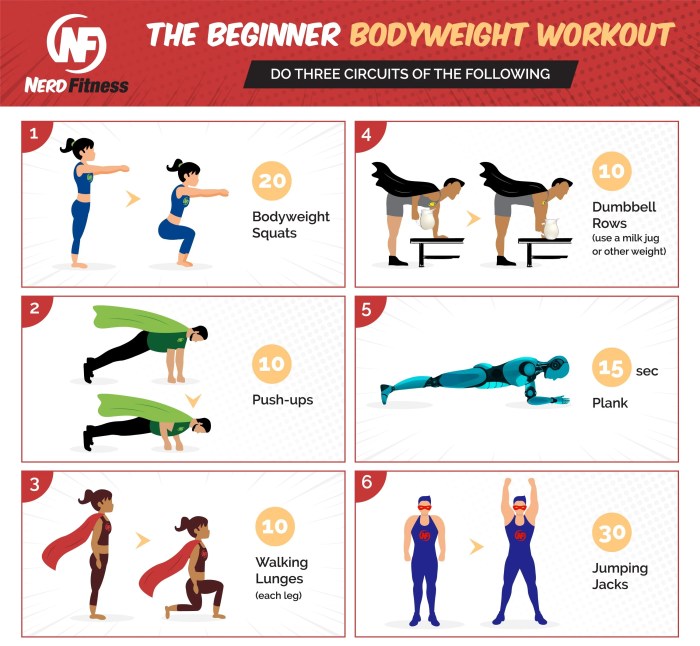
Strength training exercises such as weight lifting, resistance bands, and bodyweight exercises help in building muscle mass. Muscles burn more calories at rest compared to fat, leading to increased metabolism and weight loss.
High-intensity interval training (HIIT)
HIIT involves short bursts of intense exercise followed by brief rest periods. It is effective in burning calories during and after the workout, making it a time-efficient option for weight management.
Consistency is key
Regardless of the type of exercise, consistency is crucial for effective weight loss. Regular workouts help in maintaining a calorie deficit and achieving long-term results. It is important to find a routine that is sustainable and enjoyable to stay motivated.
Healthy Snacks
Best exercises for weight management – When it comes to weight management, choosing the right snacks can make a big difference. Healthy snacks can help keep you full, provide essential nutrients, and support your weight loss goals.
Examples of Healthy Snacks
- Carrot sticks with hummus
- Greek yogurt with berries
- Apple slices with almond butter
- Raw nuts and seeds
- Rice cakes with avocado
Importance of Portion Control
Even when snacking on healthy options, portion control is key. Overeating healthy snacks can still lead to consuming extra calories, hindering weight loss progress. Be mindful of serving sizes and avoid mindless eating.
Recipes for Nutritious Snacks
- Chia seed pudding: Mix chia seeds with almond milk, vanilla extract, and a touch of honey. Let it sit in the fridge overnight and top with fresh fruits before serving.
- Veggie-packed smoothie: Blend spinach, cucumber, avocado, and a splash of coconut water for a nutrient-dense snack.
Impact of Snacking on Metabolism
Snacking can actually boost your metabolism by keeping it active throughout the day. When you go too long without eating, your metabolism can slow down. Opting for healthy snacks can help maintain a steady metabolism and aid in weight management.
Wellness Programs
When it comes to managing weight effectively, wellness programs can play a crucial role in achieving your goals. These programs are designed to provide a holistic approach to health and fitness, focusing on various aspects such as nutrition, exercise, mental health, and overall well-being.
Types of Wellness Programs
- Group Fitness Classes: These programs offer a variety of exercise classes led by certified instructors, promoting physical activity and social interaction.
- Nutrition Counseling: Wellness programs often include guidance from nutritionists or dietitians to help individuals make healthier food choices.
- Behavioral Therapy: Some programs focus on changing habits and behaviors that contribute to weight gain, offering strategies for long-term success.
Benefits of Joining a Wellness Program
- Accountability and Support: Wellness programs provide a supportive environment where individuals can stay motivated and accountable for their weight loss journey.
- Educational Resources: Participants gain valuable knowledge about nutrition, exercise, and healthy lifestyle practices through workshops and seminars.
- Customized Plans: Many programs offer personalized plans tailored to individual needs and goals, enhancing results and sustainability.
Success Stories
Many individuals have experienced significant weight loss and improved overall well-being through participation in wellness programs. These success stories serve as motivation for others looking to achieve similar results.
Tips for Choosing the Right Wellness Program
- Assess Your Goals: Determine what you want to achieve from a wellness program, whether it’s weight loss, improved fitness, or better overall health.
- Research Options: Explore different programs available in your area or online, considering factors such as cost, location, and program offerings.
- Seek Recommendations: Ask for referrals from friends, family, or healthcare professionals who have had positive experiences with wellness programs.
Physical Therapy
Physical therapy plays a crucial role in weight management by providing specialized exercises and techniques to improve overall physical health and mobility.
Assisting in Weight Management
Physical therapy can assist in weight management by creating personalized exercise plans tailored to individual needs and abilities. These exercises focus on building strength, improving flexibility, and enhancing cardiovascular endurance, all of which are essential for effective weight loss.
- Cardiovascular exercises like walking, cycling, or swimming help burn calories and improve heart health.
- Strength training exercises using resistance bands or weights help build muscle mass, which boosts metabolism and aids in weight loss.
- Flexibility exercises like yoga or Pilates improve range of motion and reduce the risk of injury during physical activities.
Recovering from Injuries
Physical therapy is also crucial in recovering from injuries that may hinder exercise for weight loss. Therapists can design rehabilitation programs to safely and effectively address musculoskeletal issues, allowing individuals to resume physical activity and continue their weight management journey.
Importance in Weight Management
It is important to incorporate physical therapy into a weight management plan to ensure a holistic approach to health and wellness. By working with a physical therapist, individuals can address underlying physical limitations, prevent injuries, and optimize their exercise routines for sustainable weight loss results.
Health Coaching
Health coaching plays a crucial role in supporting individuals with weight management by providing personalized guidance, motivation, and accountability throughout their journey.
Role of a Health Coach in Weight Management
- Health coaches create individualized plans tailored to each client’s specific needs and goals.
- They help clients set realistic and achievable targets for weight loss.
- Health coaches offer ongoing support, encouragement, and motivation to keep clients on track.
- They educate clients on healthy eating habits, exercise routines, and lifestyle changes to promote sustainable weight management.
Strategies Used by Health Coaches
- Setting SMART goals: Specific, Measurable, Achievable, Relevant, Time-bound goals to track progress effectively.
- Behavioral change techniques: Encouraging clients to adopt healthier habits and overcome obstacles.
- Meal planning and nutrition guidance: Providing clients with meal plans and nutritional advice to support their weight loss journey.
- Regular check-ins and progress evaluations: Monitoring client progress and adjusting strategies as needed for optimal results.
Benefits of Having a Health Coach
- Accountability and motivation: Having a health coach keeps clients accountable and motivated to stick to their weight loss goals.
- Personalized guidance: Health coaches provide tailored advice and support based on individual needs and preferences.
- Long-term success: Health coaching focuses on sustainable lifestyle changes, leading to long-term weight management success.
Finding a Qualified Health Coach
- Look for certifications: Ensure the health coach is certified by reputable organizations in health coaching.
- Experience and expertise: Choose a health coach with experience in weight management and a good track record of helping clients achieve their goals.
- Compatibility: Find a health coach who you feel comfortable with and who understands your unique challenges and goals.
- Reviews and testimonials: Check reviews and testimonials from past clients to gauge the effectiveness of the health coach.
Medical Advancements
In recent years, there have been significant advancements in medical technologies and treatments aimed at managing weight effectively. These advancements offer new possibilities for individuals struggling with weight-related issues.
Advances in Bariatric Surgery
Bariatric surgery, such as gastric bypass or sleeve gastrectomy, has become increasingly popular as a treatment option for severe obesity. These procedures help individuals lose weight by limiting the amount of food the stomach can hold and altering the digestion process. Bariatric surgery has shown to be highly effective in achieving significant weight loss and improving overall health outcomes for many patients.
Role of Medications in Weight Management
Certain medications are available that can aid in weight management by suppressing appetite, reducing absorption of nutrients, or increasing metabolism. These medications are typically prescribed to individuals who have not been successful with diet and exercise alone. It is important to note that these medications should always be used under the supervision of a healthcare professional to monitor for any potential side effects.
Consulting Healthcare Professionals
Consulting with healthcare professionals, such as physicians, dietitians, or weight management specialists, is crucial for obtaining personalized medical advice on weight management. These professionals can provide guidance on the most suitable treatment options based on individual health needs and goals. It is important to seek professional help to ensure safe and effective weight management strategies are implemented.
Fitness Goals
Setting realistic fitness goals is crucial when it comes to managing weight effectively. By establishing achievable goals, individuals can stay motivated and focused on their weight loss journey.
SMART Criteria for Establishing Achievable Fitness Goals
- Specific: Clearly define what you want to achieve, such as losing a certain amount of weight or fitting into a specific clothing size.
- Measurable: Set goals that can be tracked and quantified, like aiming to exercise a certain number of times per week or reducing body fat percentage.
- Achievable: Ensure that your goals are realistic and within reach, considering your current fitness level and lifestyle.
- Relevant: Align your fitness goals with your overall weight management objectives and personal priorities.
- Time-bound: Establish a timeline for achieving each goal to create a sense of urgency and focus.
Importance of Tracking Progress Towards Fitness Goals
Monitoring your progress towards fitness goals is essential for successful weight loss. Tracking allows individuals to see how far they’ve come, identify areas for improvement, and stay accountable to their objectives. It also provides motivation and helps in making necessary adjustments to the plan.
Tips on Adjusting Fitness Goals to Align with Changing Weight Management Needs
- Regularly reassess your goals based on your progress and any changes in your weight management needs.
- Consult with a fitness professional to modify your goals if necessary and ensure they remain realistic and achievable.
- Be flexible and willing to adapt your goals to suit your evolving fitness level and lifestyle circumstances.
- Celebrate small victories along the way to stay motivated and maintain a positive mindset towards achieving your weight management goals.
Balanced Nutrition
Maintaining a balanced diet is crucial for effective weight management. It involves consuming the right proportions of macronutrients and micronutrients to support overall health and wellness. Let’s delve into the key components of a balanced nutrition plan for sustainable weight loss.
Key Components of a Balanced Diet
- Proteins: Essential for muscle repair and growth, proteins help in preserving lean muscle mass during weight loss.
- Carbohydrates: Provide energy for daily activities and exercise, opt for complex carbs like whole grains and vegetables.
- Fats: Healthy fats like omega-3 fatty acids are vital for brain function and hormone production.
- Fruits and Vegetables: Rich in vitamins, minerals, and antioxidants, these are essential for overall health.
- Water: Stay hydrated to support metabolism and aid digestion.
Significance of Macronutrients and Micronutrients
- Macronutrients, including proteins, carbohydrates, and fats, provide energy and support bodily functions.
- Micronutrients like vitamins and minerals are crucial for metabolism, immune function, and overall health.
- Adequate intake of both macronutrients and micronutrients is essential for weight loss and overall well-being.
Meal Planning Tips
- Plan your meals in advance to ensure a balanced intake of nutrients throughout the day.
- Incorporate a variety of colors and food groups to maximize nutrient intake.
- Avoid processed foods and focus on whole, nutrient-dense options.
- Listen to your body’s hunger and fullness cues to prevent overeating.
Relationship Between Balanced Nutrition and Sustainable Weight Loss
By fueling your body with the right balance of nutrients, you can support your weight loss goals while maintaining overall health. A balanced nutrition plan ensures that you are meeting your body’s needs while creating a sustainable lifestyle for long-term success.
Mental Strength
When it comes to successful weight management, mental strength plays a crucial role in overcoming obstacles and staying motivated throughout the journey.
Connection between Mental Strength and Weight Management
Mental strength is closely linked to weight management as it helps individuals stay focused, disciplined, and resilient in the face of challenges.
Strategies for Overcoming Mental Barriers
- Acknowledge and challenge negative thoughts that may hinder progress.
- Practice self-compassion and kindness towards oneself during setbacks.
- Seek support from friends, family, or a therapist to work through emotional barriers.
Mindfulness Techniques for Motivation
- Practice mindful eating to savor and enjoy meals without distractions.
- Engage in meditation or deep breathing exercises to reduce stress and stay centered.
- Set small, achievable goals to track progress and celebrate successes along the way.
Role of Mental Resilience in Achieving Goals
Mental resilience allows individuals to bounce back from setbacks, learn from failures, and stay committed to their weight loss goals.
Yoga Practice
Practicing yoga can be a beneficial addition to a weight management routine. Not only does it help in burning calories and toning muscles, but it also promotes mindfulness and stress reduction, which are crucial for overall well-being during weight loss.
Benefits of Different Yoga Styles
- Power Yoga: This dynamic and intense style of yoga can help in building strength and increasing metabolism, aiding in weight loss.
- Hatha Yoga: Known for its focus on alignment and breathing, Hatha yoga can improve flexibility and balance, supporting overall fitness goals.
- Vinyasa Yoga: With its flowing sequences and focus on breath-synchronized movements, Vinyasa yoga can help in boosting cardiovascular health and burning calories.
Yoga Poses for Targeting Excess Weight
- Warrior II Pose: Strengthens the legs, arms, and core, while also stretching the hips and thighs.
- Boat Pose: Engages the core muscles and helps in toning the abdominal area.
- Bridge Pose: Strengthens the back, glutes, and hamstrings, aiding in toning these areas prone to excess weight.
Role of Mindfulness and Breathing Techniques
Yoga emphasizes the connection between the mind and body, promoting mindfulness and stress reduction through breathing techniques like pranayama. By incorporating these practices, individuals can better manage emotional eating, improve self-awareness, and enhance their overall well-being during the weight management journey.
Health Education
Health education plays a crucial role in empowering individuals to make informed choices for weight management. By providing access to reliable information on nutrition, fitness, and overall health, individuals can better understand how to take care of their bodies and achieve their weight loss goals. Incorporating health education into daily routines can lead to sustainable weight loss and promote positive lifestyle changes. Health literacy is key in ensuring that individuals have the knowledge and skills to make healthier choices and maintain an effective weight management plan.
Importance of Health Education
- Health education helps individuals understand the impact of their choices on their overall health and well-being.
- It provides valuable information on nutrition, physical activity, and mental well-being, which are essential for weight management.
- By increasing health literacy, individuals are better equipped to make informed decisions about their lifestyle habits.
Resources for Reliable Information
- Consulting registered dietitians or nutritionists for personalized nutrition plans.
- Utilizing reputable websites such as the CDC or Mayo Clinic for evidence-based health information.
- Attending workshops or seminars on health and wellness topics offered by healthcare professionals.
Tips for Sustainable Weight Loss
- Set realistic and achievable goals for weight management.
- Stay consistent with healthy eating habits and regular physical activity.
- Educate yourself on portion control and mindful eating practices.
Role of Health Literacy
- Health literacy enables individuals to understand health information and make informed decisions.
- It empowers individuals to take control of their health and well-being.
- Improving health literacy can lead to positive lifestyle changes and better weight management outcomes.
Weight Management
When it comes to weight management, the focus should not only be on losing weight but also on maintaining a healthy weight in the long term. This requires a combination of healthy habits, mindset, and consistency.
Strategies for Long-Term Weight Management
- Set realistic and achievable goals to avoid feeling overwhelmed.
- Focus on making sustainable lifestyle changes rather than quick fixes or fad diets.
- Regular physical activity plays a crucial role in weight maintenance. Find activities you enjoy and make them a part of your routine.
- Monitor your progress regularly to stay accountable and make adjustments as needed.
Challenges and How to Overcome Them
- Plateaus can be common during weight maintenance. Mix up your routine, try new exercises, or seek support from a health professional.
- Social situations and emotional triggers can lead to overeating. Develop coping strategies and mindful eating practices to navigate these challenges.
- Stress and lack of sleep can impact weight management. Prioritize self-care, relaxation techniques, and quality sleep to support your efforts.
Creating a Supportive Environment
- Surround yourself with people who support your healthy lifestyle choices and encourage you on your journey.
- Stock your kitchen with nutritious foods and plan ahead for meals to avoid impulsive or unhealthy choices.
- Seek guidance from a health coach, nutritionist, or therapist to address any underlying issues that may hinder your progress.
Significance of Healthy Habits
Adopting healthy habits is essential for sustainable weight management. Consistency in eating nutritious foods, staying active, managing stress, and prioritizing self-care can help you maintain your weight and overall well-being in the long run.
Health Checkups
Regular health checkups play a crucial role in monitoring progress towards weight management goals. These checkups help individuals stay on track with their fitness journey and address any potential health issues that may hinder weight loss efforts.
Key Health Indicators for Weight Management Checkups
- Body Mass Index (BMI): A measurement of body fat based on height and weight.
- Blood Pressure: High blood pressure can be a risk factor for cardiovascular diseases.
- Cholesterol Levels: Monitoring cholesterol levels is important for heart health.
- Blood Sugar Levels: Checking blood sugar helps in managing diabetes and preventing complications.
- Thyroid Function: Thyroid imbalances can impact metabolism and weight regulation.
Identifying Underlying Health Conditions
Health checkups can help identify underlying health conditions that may be affecting weight management efforts. Issues like hormonal imbalances, thyroid disorders, or vitamin deficiencies can be detected early through routine screenings, allowing for proper treatment and management.
Role of Healthcare Professionals
Healthcare professionals play a crucial role in guiding individuals through health checkups for optimal weight management. They can provide personalized advice, recommend necessary tests, and create tailored plans to address any health concerns that may arise during the checkup process.
Skin Health
Maintaining healthy skin is essential, especially during weight management journeys. The relationship between weight management and skin health is significant, as changes in weight can impact skin elasticity and overall skin health. Here are some key points to consider:
Effect of Weight Loss or Gain on Skin Health
- Weight loss can lead to loose or sagging skin, especially if the loss is significant and rapid. This is due to a reduction in the skin’s elasticity, which may not adapt quickly enough to the changes in body size.
- Conversely, rapid weight gain can also stretch the skin beyond its limits, leading to stretch marks and a loss of firmness.
Skincare Tips for Weight Management
- Stay hydrated: Drinking an adequate amount of water is crucial for maintaining skin health and elasticity. Hydration helps the skin appear plump and youthful.
- Eat a balanced diet: Consuming foods rich in vitamins, minerals, and antioxidants can promote skin health and repair damaged skin cells.
- Moisturize regularly: Using a good moisturizer can help keep the skin hydrated and prevent dryness or flakiness, especially during weight loss when the skin may be prone to dryness.
- Avoid harsh chemicals: Be mindful of the skincare products you use, as harsh chemicals can irritate the skin and worsen any existing skin conditions.
Importance of Hydration and Nutrition in Skin Health
Maintaining proper hydration levels and consuming a nutritious diet are crucial for promoting skin health during weight management. Hydration helps to flush out toxins from the body and keep the skin looking radiant. Proper nutrition, including a variety of fruits, vegetables, lean proteins, and healthy fats, can provide the essential nutrients needed for healthy skin regeneration and repair.
Emotional Health: Best Exercises For Weight Management
Emotional well-being plays a crucial role in weight management as our feelings and mental state can impact our eating habits and overall health. Stress, anxiety, and other emotional triggers can often lead to overeating, making it challenging to maintain a healthy weight. It is essential to address emotional health to achieve sustainable weight loss and overall wellness.
Impact of Emotional Well-being on Weight Management
Emotional well-being directly affects weight management by influencing our food choices, portion sizes, and overall eating behaviors. Stress, loneliness, depression, and other emotional factors can lead to emotional eating, binge eating, or unhealthy food cravings, which can sabotage weight loss efforts. It is important to recognize the connection between emotions and eating habits to effectively manage weight.
- Emotional triggers can lead to overeating and unhealthy food choices.
- Positive emotional well-being can support healthy eating habits and weight management.
- Emotional stress can hinder weight loss progress and lead to weight gain.
Coping Mechanisms for Managing Stress and Emotional Triggers
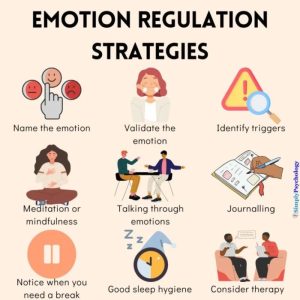
To manage stress and emotional triggers that may lead to overeating, it is important to develop healthy coping mechanisms. This can include practicing mindfulness, engaging in relaxation techniques, seeking support from loved ones or a therapist, and engaging in activities that bring joy and relaxation.
Practicing deep breathing exercises can help reduce stress and emotional eating triggers.
Strategies for Cultivating a Positive Mindset
Cultivating a positive mindset during the weight management journey is essential for long-term success. This can involve practicing self-love, positive affirmations, setting realistic goals, celebrating small victories, and focusing on progress rather than perfection.
- Gratitude journaling can help shift focus towards positive aspects of life and promote emotional well-being.
- Engaging in activities that bring joy and fulfillment can boost mood and support a positive mindset.
Connection Between Emotional Health and Sustainable Weight Loss
Emotional health is closely linked to sustainable weight loss as it impacts our behaviors, habits, and relationship with food. By prioritizing emotional well-being, individuals can develop a healthier relationship with food, manage stress effectively, and make sustainable lifestyle changes that support weight management in the long run.
- Addressing emotional triggers can help prevent emotional eating and promote healthier food choices.
- Developing healthy coping mechanisms can support long-term weight management goals.
Health Motivation
Staying motivated throughout the weight management process is crucial for long-term success. It can be challenging, but with the right mindset and strategies, it is possible to stay on track and achieve your goals.
Setting both short-term and long-term goals is essential for maintaining motivation during weight loss. Short-term goals help you stay focused and celebrate small victories along the way, while long-term goals provide a bigger picture and keep you motivated to continue your journey.
Tips for Staying Motivated
- Stay positive and remind yourself of your reasons for wanting to manage your weight.
- Find a support system, whether it’s friends, family, or a support group, to help you stay accountable and motivated.
- Track your progress, whether it’s through journaling, apps, or regular weigh-ins, to see how far you’ve come.
Celebrating Small Victories
- Recognize and celebrate every small achievement, such as fitting into a smaller size or completing a challenging workout.
- Reward yourself with non-food treats like a spa day, new workout gear, or a movie night to keep yourself motivated.
- Use positive affirmations and motivational quotes to boost your confidence and remind yourself of your strength and determination.
Physical Activities
Regular physical activity is essential for effective weight management. Incorporating a variety of exercises into your routine can help you achieve and maintain a healthy weight.
Benefits of Different Exercise Types
- Cardio exercises, such as running or cycling, help burn calories and improve cardiovascular health.
- Strength training exercises, like weightlifting, build muscle mass which increases metabolism and burns more calories at rest.
- Flexibility exercises such as yoga or stretching improve mobility and reduce the risk of injury during other workouts.
Tips for Staying Active
- Take short walking breaks throughout the day to increase overall activity levels.
- Choose activities you enjoy to make exercise more enjoyable and sustainable.
- Set specific goals and track your progress to stay motivated and accountable.
Role of Hobbies and Recreation
- Engaging in hobbies or recreational activities not only burns calories but also reduces stress and improves mental well-being.
- Outdoor activities like hiking or gardening provide a fun way to stay active while enjoying nature.
- Joining sports teams or group fitness classes adds a social aspect to exercise, making it more enjoyable.
Health Awareness
Raising awareness about healthy lifestyle choices is crucial for effective weight management. By educating individuals about the importance of balanced nutrition, regular physical activity, and mental well-being, we can empower them to make positive changes in their lives.
Initiatives to Promote Health Awareness
- Government-led campaigns promoting healthy eating habits and active lifestyles
- Community events focused on fitness and wellness
- Social media movements advocating for mental health and self-care
- School programs teaching students about the benefits of a healthy lifestyle
Tips for Raising Health Awareness
- Lead by example by prioritizing your own health and well-being
- Organize health-related workshops or seminars in your community
- Share informative resources and articles on social media platforms
- Encourage open discussions about health and fitness with friends and family
Role of Education and Advocacy
Education plays a vital role in promoting health awareness by providing individuals with the knowledge they need to make informed decisions about their well-being. Advocacy efforts help drive policy changes and create supportive environments for healthy living.
Preventive Medicine
Preventive medicine plays a crucial role in addressing risk factors associated with weight gain by focusing on early intervention and promoting healthy lifestyle choices. By incorporating preventive healthcare measures, individuals can reduce the likelihood of developing obesity-related health conditions and improve overall well-being.
Benefits of Preventive Medicine
- Regular health check-ups can help identify potential risk factors for weight gain and obesity early on.
- Health education initiatives can raise awareness about the importance of balanced nutrition and physical activities in maintaining a healthy weight.
- Implementing wellness programs that promote mental strength and emotional health can help individuals cope with stress and prevent emotional eating.
- Health coaching sessions can provide personalized guidance on setting and achieving fitness goals for long-term weight management.
Incorporating Preventive Medicine into Daily Routine
- Make time for regular physical activities such as walking, jogging, or yoga to stay active and maintain a healthy weight.
- Choose healthy snacks like fruits, nuts, and vegetables to support balanced nutrition and prevent overeating.
- Participate in preventive healthcare programs offered by medical professionals to monitor your health and address any concerns proactively.
- Stay informed about the latest medical advancements and research in weight management to make informed decisions about your health.
Importance of Early Intervention, Best exercises for weight management
- Early intervention through preventive care can help prevent the progression of obesity-related health conditions and reduce the risk of complications.
- By focusing on preventive measures, individuals can take control of their health and make positive changes to prevent weight gain and improve overall well-being.
Nutritional Counseling
Nutritional counseling is a valuable resource for individuals seeking personalized guidance on weight management through dietary modifications. By working with a qualified nutritionist or dietitian, individuals can receive tailored meal plans and nutritional advice to support their weight loss goals.
Benefits of Nutritional Counseling
- Provides personalized guidance: Nutritional counselors take into account an individual’s unique dietary needs, preferences, and health conditions to create a customized meal plan that supports weight management.
- Promotes sustainable weight loss: By addressing underlying nutritional imbalances and habits, nutritional counseling helps individuals develop healthy eating habits that can be maintained in the long term.
- Educates on proper nutrition: Nutritional counselors offer valuable insights into portion control, food choices, and meal timing to optimize weight loss and overall health.
- Supports overall well-being: In addition to weight management, nutritional counseling can improve energy levels, mood, and overall quality of life by ensuring adequate nutrient intake.
Choosing a Qualified Nutritionist
- Look for credentials: Choose a nutritionist or dietitian with appropriate credentials, such as Registered Dietitian (RD) or Certified Nutrition Specialist (CNS), to ensure expertise in the field.
- Seek referrals: Ask for recommendations from healthcare providers, friends, or family members who have had positive experiences with nutritional counseling.
- Consider specialization: Some nutritionists specialize in weight management or specific health conditions, so finding a professional with relevant expertise can enhance the effectiveness of the counseling.
- Initial consultation: Schedule an initial consultation to discuss your goals, expectations, and dietary preferences with the nutritionist to ensure a good fit for personalized guidance.
Role of Nutritional Counseling in Healthy Eating Habits
Nutritional counseling plays a crucial role in fostering healthy eating habits for sustainable weight management by:
- Identifying nutritional deficiencies and excesses
- Teaching portion control and mindful eating
- Addressing emotional eating triggers
- Providing ongoing support and accountability
Healthy Mind
Maintaining a healthy mind is crucial when it comes to effective weight management. The connection between mental well-being and cognitive health with achieving weight loss goals cannot be overlooked. A positive mindset not only impacts overall health outcomes but also plays a significant role in sustaining weight management efforts.
Mindfulness Practices for Weight Management
- Practicing mindfulness can help individuals become more aware of their eating habits and emotional triggers that lead to overeating.
- Engaging in deep breathing exercises or meditation can reduce stress levels, which are often linked to weight gain.
- Yoga and tai chi are physical activities that combine movement with mindfulness, promoting both physical and mental well-being.
Positive Mindset and Health Outcomes
- Research has shown that individuals with a positive outlook are more likely to make healthier lifestyle choices, including diet and exercise.
- Positive affirmations and visualization techniques can help individuals stay motivated and focused on their weight management goals.
- Support from mental health professionals or counselors can address underlying emotional issues that may be hindering weight loss progress.
Essential FAQs
What are the best exercises for weight management?
The best exercises for weight management include high-intensity interval training (HIIT), strength training, cardio workouts, and yoga.
How important is consistency in exercise routines for effective weight loss?
Consistency is crucial for effective weight loss as it helps maintain a calorie deficit and improves overall fitness levels over time.
Which is better for weight management: HIIT or strength training?
Both HIIT and strength training are effective for weight management, but they target different aspects of fitness. HIIT focuses on burning calories quickly, while strength training builds muscle mass and boosts metabolism.


More Stories