Healthy Snacks
Incorporating healthy snacks into children’s diets is crucial for their overall health and well-being. It helps provide essential nutrients, energy, and supports proper growth and development.
Nutritious Snack Options for Kids
- Fruits: Fresh fruits like apples, bananas, berries, and oranges are excellent snack options packed with vitamins, minerals, and fiber.
- Vegetables: Carrot sticks, cucumber slices, cherry tomatoes, and bell pepper strips are great choices for crunchy and nutritious snacks.
- Whole Grain Snacks: Whole grain crackers, popcorn, and rice cakes provide fiber and energy for active kids.
- Dairy Products: Low-fat yogurt, cheese sticks, and milk are good sources of calcium and protein for growing children.
- Nuts and Seeds: Almonds, walnuts, sunflower seeds, and pumpkin seeds offer healthy fats, protein, and essential nutrients.
Impact of Unhealthy Snacking Habits
Unhealthy snacking habits, such as consuming sugary snacks, salty chips, and processed foods, can lead to various health issues for children. These may include obesity, dental problems, nutrient deficiencies, and an increased risk of chronic diseases like diabetes and heart disease. It is important to promote healthy snack choices to prevent these negative impacts on children’s health.
Wellness Programs
Wellness programs play a crucial role in promoting children’s health awareness by focusing on holistic well-being, including physical, mental, and emotional aspects. These programs aim to educate kids on the importance of healthy habits and provide them with tools to make positive lifestyle choices.
Benefits of Participating in Wellness Programs for Kids
- Encourages regular physical activity
- Promotes healthy eating habits
- Teaches stress management and coping skills
- Boosts self-esteem and confidence
- Enhances social skills and teamwork
Types of Wellness Programs for Children
- Physical Fitness Programs: Focus on exercise, sports, and outdoor activities to improve strength and endurance.
- Nutrition Education Programs: Offer information on balanced diets, food choices, and meal planning.
- Mental Health Workshops: Provide strategies for managing emotions, building resilience, and seeking help when needed.
- Yoga and Mindfulness Classes: Introduce relaxation techniques, breathing exercises, and mindfulness practices to reduce stress and improve focus.
- Health Screenings and Assessments: Identify potential health issues early on and encourage proactive healthcare habits.
Physical Therapy
Physical therapy plays a crucial role in improving children’s overall health by promoting mobility, strength, and coordination. Through tailored exercises and interventions, physical therapy can address various conditions and injuries, helping children reach their full potential.
Benefits of Physical Therapy for Children
- Improves motor skills and coordination
- Enhances muscle strength and flexibility
- Aids in pain management for chronic conditions
- Promotes proper posture and body mechanics
Common Physical Therapy Exercises for Kids
- Balance exercises: such as standing on one leg or walking on a balance beam
- Strength training: using resistance bands or body-weight exercises
- Coordination drills: like catching and throwing a ball or jumping jacks
- Stretching routines: to improve flexibility and prevent injuries
Importance of Early Intervention through Physical Therapy
Physical therapy interventions at an early age can prevent future complications and support optimal development in children. By addressing issues and providing targeted exercises early on, physical therapists can help children build a strong foundation for a healthy and active lifestyle.
Health Coaching
Health coaching plays a crucial role in educating children about health and wellness. It involves guiding and supporting children in making positive lifestyle choices that promote overall well-being.
Benefits of Health Coaching for Kids
- Health coaching helps kids set realistic health goals: Coaches work with children to identify achievable goals related to nutrition, physical activity, and mental health.
- It empowers children to take charge of their health: By providing knowledge and tools, health coaches empower kids to make informed decisions about their well-being.
- Health coaching promotes healthy lifestyle choices: Coaches encourage children to adopt healthy habits such as balanced nutrition, regular exercise, and stress management techniques.
- It fosters a positive attitude towards health: Through guidance and encouragement, health coaching helps children develop a positive mindset towards their health and well-being.
- Health coaching enhances overall quality of life: By addressing various aspects of health, coaches help kids improve their overall quality of life and well-being.
Medical Advancements
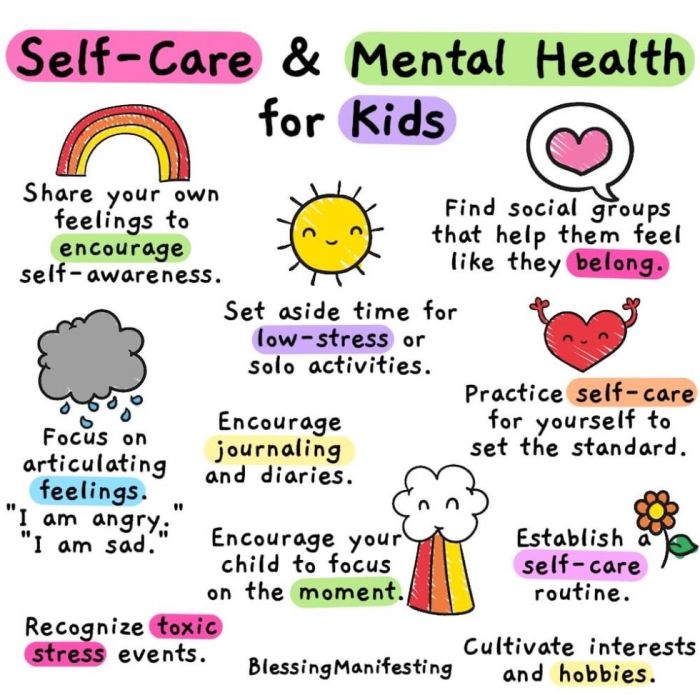
Medical advancements in children’s healthcare have significantly improved over the years, leading to better outcomes and quality of life for young patients. Technological innovations play a crucial role in driving these advancements, allowing healthcare providers to offer more precise and effective treatments for various pediatric health conditions.
Precision Medicine
Precision medicine is a groundbreaking approach that takes into account individual variability in genes, environment, and lifestyle for each patient. By analyzing a child’s unique genetic makeup, doctors can tailor treatment plans to target specific diseases or conditions more accurately. This personalized approach not only increases the effectiveness of treatments but also reduces the risk of adverse reactions.
Robotic Surgery
Robotic surgery is another significant advancement in pediatric healthcare, offering minimally invasive procedures with greater precision and control. This technology allows surgeons to perform complex surgeries with smaller incisions, leading to quicker recovery times, less pain, and reduced scarring for young patients. Robotic-assisted procedures have revolutionized the field of pediatric surgery, making it safer and more efficient.
Telemedicine
Telemedicine has become increasingly popular in children’s healthcare, especially in remote or underserved areas. This technology enables healthcare providers to consult with patients and their families virtually, offering medical advice, monitoring treatment progress, and providing follow-up care without the need for in-person visits. Telemedicine has proven to be a convenient and effective way to improve access to healthcare services for children, particularly those with chronic conditions.
Fitness Goals
Setting age-appropriate fitness goals for children is crucial in promoting their overall health and well-being. It helps them develop healthy habits at a young age and instills a sense of discipline and achievement. Here are some tips on how to motivate kids to stay active and achieve their fitness goals:
Motivation Tips
- Make it fun: Incorporate activities that children enjoy, such as playing sports, dancing, or going for family walks.
- Set realistic goals: Start with small, achievable goals and gradually increase the intensity as they progress.
- Lead by example: Be a role model by staying active yourself and encouraging your children to join you in physical activities.
- Reward their efforts: Celebrate their milestones and achievements with praise, rewards, or fun outings.
Long-term Benefits
- Improved physical health: Regular exercise helps children maintain a healthy weight, strengthen their muscles and bones, and reduce the risk of chronic diseases.
- Enhanced mental well-being: Physical activity releases endorphins that boost mood, reduce stress, and improve concentration and cognitive function.
- Lifelong habits: Instilling a fitness routine in children can lead to a lifetime of healthy habits, reducing the likelihood of sedentary lifestyles in adulthood.
- Social skills: Participating in group activities or team sports can help children develop social skills, teamwork, and leadership abilities.
Balanced Nutrition: Importance Of Children’s Health Awareness
Proper nutrition is essential for children’s growth and development. It plays a crucial role in supporting their overall health, cognitive function, and physical well-being.
Significance of Balanced Nutrition
- Balanced nutrition provides children with the necessary nutrients, vitamins, and minerals needed for healthy growth.
- It helps in maintaining a healthy weight and reducing the risk of obesity-related health issues.
- Adequate nutrition supports immune function, reducing the likelihood of illness and infections.
- Proper nutrition is linked to improved concentration, academic performance, and overall cognitive development.
- Children who eat a balanced diet are more likely to develop healthy eating habits that can last a lifetime.
Creating Balanced Meals for Kids
- Include a variety of fruits, vegetables, whole grains, lean proteins, and dairy products in their meals.
- Aim for colorful plates to ensure a range of nutrients are being consumed.
- Limit sugary snacks and drinks, opting for healthier alternatives like nuts, seeds, and yogurt.
- Involve children in meal planning and preparation to encourage healthy eating habits.
- Ensure portion sizes are appropriate for their age and activity level.
Consequences of Poor Nutrition
- Poor nutrition can lead to stunted growth, delayed development, and nutritional deficiencies.
- Children may experience fatigue, weakness, and decreased immunity due to a lack of essential nutrients.
- Unhealthy eating habits can contribute to a higher risk of chronic conditions like diabetes, heart disease, and hypertension later in life.
- Cognitive function and academic performance may be negatively impacted by a diet lacking in essential nutrients.
- Over time, poor nutrition can result in long-term health issues and a reduced quality of life for children.
Mental Strength
Mental strength is a crucial component of overall children’s health as it greatly impacts their emotional well-being, resilience, and ability to cope with challenges. In addition, mental strength plays a significant role in shaping a child’s outlook on life, relationships with others, and overall quality of life.
Building Resilience and Mental Toughness
Building resilience and mental toughness in children is essential to help them navigate the ups and downs of life effectively. Here are some strategies to help children develop these important qualities:
- Encourage problem-solving skills and critical thinking
- Teach positive self-talk and coping mechanisms
- Promote a growth mindset and the importance of perseverance
- Provide a supportive and nurturing environment
- Encourage healthy habits such as regular exercise, sleep, and nutrition
Impact of Mental Health on Physical Well-being
The impact of mental health on physical well-being in kids is significant. Mental health issues such as stress, anxiety, and depression can manifest physically in children through symptoms like headaches, stomachaches, fatigue, and weakened immune systems. It is crucial to address mental health concerns in children to ensure their overall well-being and prevent the development of chronic health conditions later in life.
Yoga Practice
Introducing yoga practice to children can have numerous benefits for their physical and mental health. Yoga helps improve flexibility, strength, coordination, and balance while promoting relaxation and stress relief. It also enhances focus, concentration, and mindfulness.
Benefits of Yoga for Children
- Improves flexibility and strength
- Enhances balance and coordination
- Promotes relaxation and stress relief
- Boosts focus and concentration
- Fosters mindfulness and self-awareness
Age-Appropriate Yoga Poses for Kids
- Downward Dog Pose
- Tree Pose
- Cat-Cow Stretch
- Warrior Pose
- Child’s Pose
How Yoga Improves Children’s Physical and Mental Health
Yoga can significantly benefit children’s physical health by improving their overall fitness levels, flexibility, and posture. It also helps in preventing injuries and promoting a healthy lifestyle. On the mental health front, yoga aids in reducing stress, anxiety, and improving mood regulation. Additionally, practicing yoga can enhance self-esteem, body awareness, and emotional well-being in children.
Health Education
Health education plays a crucial role in raising children’s health awareness by providing them with the knowledge and skills to make informed decisions about their well-being. By teaching children about various health topics, we empower them to take control of their own health and develop healthy habits that can last a lifetime.
Engaging Ways to Educate Kids About Health
- Interactive Workshops: Organizing workshops that involve hands-on activities and games can make learning about health fun and engaging for kids.
- Storytelling: Using stories and narratives to explain health concepts can capture children’s attention and help them remember important information.
- Visual Aids: Incorporating visual aids like posters, charts, and videos can enhance children’s understanding of complex health topics.
Role of Schools and Parents, Importance of children’s health awareness
- Schools: Schools play a vital role in imparting health education to children by incorporating health topics into the curriculum and providing access to resources such as school nurses and health counselors.
- Parents: Parents serve as important role models for children when it comes to health behaviors. By promoting healthy habits at home and engaging in open discussions about health, parents can reinforce the importance of health education.
Weight Management
Maintaining a healthy weight is crucial for children’s overall well-being as it can prevent various health issues and promote a better quality of life. Parents play a significant role in ensuring their kids maintain a healthy weight through proper diet and regular physical activity.
Significance of Healthy Weight in Children
- Healthy weight contributes to the overall physical health and development of children.
- It reduces the risk of chronic conditions such as diabetes, heart disease, and high blood pressure.
- Proper weight management can boost self-esteem and mental well-being in children.
Tips for Parents on Promoting Healthy Weight Management
- Encourage balanced and nutritious meals that include fruits, vegetables, whole grains, and lean proteins.
- Limit the intake of sugary beverages and unhealthy snacks high in fats and sugars.
- Engage children in regular physical activities like sports, biking, or swimming to keep them active.
- Set a positive example by leading a healthy lifestyle yourself.
Risks Associated with Childhood Obesity
- Childhood obesity increases the risk of developing type 2 diabetes at a young age.
- Obese children are more prone to cardiovascular diseases and high cholesterol levels.
- Mental health issues like depression and low self-esteem are common among children struggling with obesity.
Importance of Prevention
- Preventing childhood obesity can lead to a healthier adult life and reduced healthcare costs.
- Early intervention in weight management can prevent long-term health complications in children.
- Healthy habits established in childhood are more likely to be carried into adulthood.
Health Checkups
Regular health checkups for children are vital in maintaining their overall well-being and detecting any potential health issues early on. These checkups help monitor growth and development, screen for any underlying conditions, and ensure that children are on track with their health milestones.
Essential Health Screenings
Regular health screenings at different ages play a crucial role in identifying any health concerns and addressing them promptly. Here is a timeline for essential health screenings for children:
- Infancy to 2 years: Regular well-baby checkups, including measurements of height, weight, and head circumference, as well as screenings for developmental milestones.
- 3 to 5 years: Vision and hearing screenings, dental checkups, and immunizations to protect against common childhood illnesses.
- 6 to 12 years: Annual physical exams, screenings for scoliosis, and discussions about healthy lifestyle habits such as nutrition and exercise.
- 13 to 18 years: Regular checkups focusing on puberty development, mental health screenings, and discussions about substance abuse prevention.
Regular health checkups not only help in detecting any health issues early but also play a crucial role in preventing long-term health complications. By staying proactive and vigilant about children’s health, parents and healthcare providers can work together to ensure that children grow up healthy and thriving.
Skin Health
Skin health plays a crucial role in children’s overall well-being as it acts as a protective barrier against infections, regulates body temperature, and helps in the synthesis of vitamin D. It is essential to educate children about the importance of taking care of their skin from a young age to prevent various skin issues and maintain healthy skin throughout their lives.
Skincare Tips for Kids
- Encourage children to wash their face with a gentle cleanser and lukewarm water twice a day to remove dirt, oil, and impurities.
- Teach kids to moisturize their skin regularly, especially after bathing, to keep it hydrated and prevent dryness.
- Advise children to use sunscreen with a high SPF to protect their skin from harmful UV rays when going outdoors.
- Ensure that kids drink an adequate amount of water daily to keep their skin hydrated from within.
Common Skin Conditions in Children and Their Treatments
- Eczema: A common skin condition characterized by red, itchy, and inflamed skin. Treatment involves using moisturizers, topical steroids, and avoiding triggers like harsh soaps.
- Acne: A skin condition that causes pimples, blackheads, and whiteheads. Treatment includes gentle cleansing, topical creams, and, in severe cases, oral medications.
- Warts: Small, rough growths on the skin caused by the human papillomavirus. Treatment options include cryotherapy, salicylic acid, or laser therapy.
- Ringworm: A fungal infection that causes a red, circular rash on the skin. Antifungal creams or oral medications are used to treat ringworm.
Emotional Health
Emotional health plays a crucial role in children’s overall wellness. It affects how they think, feel, and act in everyday situations. Positive emotional well-being can lead to improved relationships, better academic performance, and overall happiness.
Strategies for Fostering Positive Emotional Well-being in Kids
- Encourage open communication: Create a safe space for children to express their feelings and thoughts without judgment.
- Teach coping skills: Help children develop healthy ways to manage stress and deal with difficult emotions.
- Promote self-care: Encourage activities that promote relaxation, such as mindfulness exercises, hobbies, or spending time in nature.
- Build strong support systems: Foster relationships with family, friends, teachers, or counselors who can offer guidance and support.
Signs of Emotional Distress in Children and How to Address Them
- Changes in behavior: Look out for sudden mood swings, aggression, withdrawal, or changes in eating and sleeping habits.
- Physical symptoms: Pay attention to complaints of headaches, stomach aches, or other unexplained physical symptoms that may be linked to emotional distress.
- Academic struggles: Notice if there is a decline in academic performance or lack of interest in school activities.
- Seek professional help: If you notice signs of emotional distress, consider seeking help from a mental health professional who specializes in children’s emotional well-being.
Health Motivation
Motivation plays a crucial role in instilling healthy habits in children from a young age. By encouraging and inspiring kids to make positive health choices, we can set them on a path towards a lifetime of wellness.
Tips for Motivating Kids
- Lead by example: Children tend to mimic the behavior of adults, so showcasing healthy habits yourself can motivate them to follow suit.
- Make it fun: Incorporate games, challenges, or rewards into activities that promote health, making it enjoyable for kids to participate.
- Set achievable goals: Break down health-related tasks into smaller, manageable steps to boost kids’ confidence and motivation.
- Encourage autonomy: Allow children to make their own health decisions and choices, empowering them to take ownership of their well-being.
Rewards and Incentives for Health Motivation
Positive reinforcement can be a powerful tool in motivating kids to prioritize their health.
- Non-food rewards: Offer incentives such as extra playtime, a special outing, or a fun activity as a reward for healthy behaviors.
- Healthy treats: Opt for nutritious snacks or small treats as rewards for making good health choices, reinforcing the importance of balanced nutrition.
- Family rewards: Plan activities or outings that promote health as a family, fostering a supportive and encouraging environment for children.
- Celebrate milestones: Recognize and celebrate achievements, no matter how small, to motivate kids to continue their health journey.
Physical Activities
Regular physical activities play a crucial role in promoting children’s overall health and well-being. Engaging in exercise not only helps in maintaining a healthy weight but also improves cardiovascular health, strengthens muscles and bones, enhances coordination and balance, and boosts mood and mental health.
Benefits of Regular Physical Activities for Children
- Improves cardiovascular health and stamina
- Strengthens muscles and bones
- Enhances coordination, balance, and flexibility
- Boosts mood and mental health
Fun and Engaging Activities for Children
- Outdoor games like tag, hide and seek, and hopscotch
- Dance parties or dance-along videos
- Obstacle courses in the backyard or at the park
- Bike rides, rollerblading, or scootering
Importance of Incorporating Play and Exercise in Children’s Routines
Regular physical activities should be an essential part of children’s daily routines to establish healthy habits early on. Play and exercise not only contribute to physical health but also aid in cognitive development, social skills, and emotional well-being. Encouraging kids to be active not only benefits their current health but also sets a foundation for a lifetime of wellness.
Health Awareness
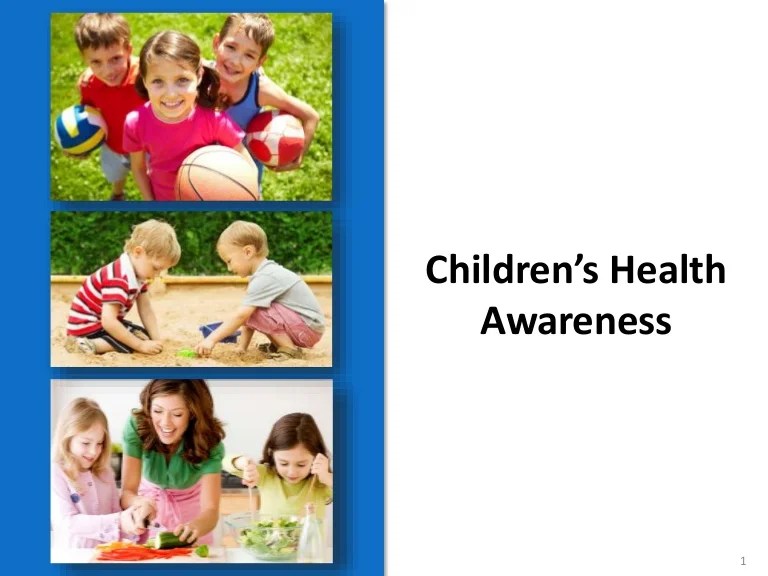
Raising awareness about children’s health is crucial in ensuring their overall well-being and development. By educating parents, caregivers, and communities about common health issues affecting children, we can work towards preventing illnesses, promoting healthy habits, and providing timely interventions when needed.
Examples of Campaigns or Initiatives
- The “5-2-1-0” campaign, which promotes healthy habits such as consuming 5 servings of fruits and vegetables, limiting screen time to 2 hours or less, engaging in 1 hour of physical activity, and consuming 0 sugary drinks in a day.
- The “Let’s Move!” initiative, launched by former First Lady Michelle Obama, aimed at combating childhood obesity through promoting physical activity and healthy eating habits.
- School-based health education programs focusing on topics like nutrition, hygiene, and mental health.
Impact of Increased Health Awareness
Importance of children’s health awareness – Increased health awareness can lead to a range of positive outcomes for children, including:
- Early detection and management of health issues, leading to better treatment outcomes.
- Promotion of healthy lifestyle choices that can prevent chronic diseases later in life.
- Empowerment of children to take charge of their own health and well-being.
- Reduction in healthcare costs associated with preventable illnesses.
Preventive Medicine
Preventive medicine plays a crucial role in safeguarding children’s health by focusing on strategies to prevent diseases and promote overall well-being. By implementing preventive measures, parents and healthcare providers can ensure that children stay healthy and thrive.
Importance of Vaccinations
Vaccinations are one of the most effective preventive measures to protect children from serious illnesses. By immunizing kids against diseases such as measles, mumps, rubella, and polio, we can significantly reduce the risk of outbreaks and safeguard their health. It is essential for parents to follow the recommended vaccination schedule to ensure optimal protection for their children.
Regular Screenings
Regular health screenings are essential in preventive healthcare for children as they can help detect potential health issues early on. Screenings for conditions like developmental delays, vision problems, hearing loss, and obesity can enable timely intervention and treatment. Parents should schedule routine check-ups with healthcare providers to ensure that their children receive appropriate screenings based on their age and risk factors.
Healthy Lifestyle Habits
Encouraging children to adopt healthy lifestyle habits such as eating a balanced diet, engaging in regular physical activity, getting an adequate amount of sleep, and practicing good hygiene can significantly contribute to their overall health and well-being. By instilling these habits early on, parents can help prevent a wide range of health issues and promote long-term wellness in their children.
Nutritional Counseling
Nutritional counseling plays a crucial role in promoting children’s health by providing personalized guidance on proper nutrition and healthy eating habits. This specialized service helps children and their families make informed choices to improve overall well-being.
Benefits of Nutritional Counseling for Children
Nutritional counseling for children can benefit their health in various ways:
- Education on balanced nutrition to support growth and development.
- Guidance on healthy food choices to prevent chronic diseases.
- Support in managing weight and promoting a healthy body image.
- Strategies to address food allergies or intolerances.
- Promotion of positive eating behaviors and attitudes towards food.
Tips for Finding a Qualified Nutritionist for Kids
When seeking a nutritionist for your child, consider the following tips:
- Look for a registered dietitian with experience in pediatric nutrition.
- Check for relevant certifications and credentials in child nutrition.
- Ask for recommendations from pediatricians or trusted healthcare professionals.
- Ensure the nutritionist has a compassionate and child-friendly approach.
- Discuss the approach to personalized nutrition plans and ongoing support.
Impact of Personalized Nutrition Guidance on Children’s Well-being
Personalized nutrition guidance can have a significant impact on children’s well-being by:
- Promoting optimal growth and development through tailored meal plans.
- Addressing nutritional deficiencies and supporting overall health.
- Fostering positive relationships with food and promoting a healthy lifestyle.
- Empowering children and families to make informed choices for long-term health.
- Enhancing overall quality of life and well-being through proper nutrition.
Healthy Mind
Having a healthy mind is crucial for the overall wellness of children. Mental well-being plays a significant role in their development and quality of life.
Connection between Healthy Mind and Overall Wellness
A healthy mind contributes to better decision-making, emotional regulation, and overall cognitive function in children. It also helps in building resilience and coping skills to navigate challenges effectively.
Strategies for Promoting Mental Well-being
- Encouraging open communication and expression of feelings
- Teaching coping mechanisms and stress management techniques
- Promoting healthy relationships and social connections
- Engaging in creative activities like art, music, or storytelling
Importance of Fostering a Positive Mindset
Fostering a positive mindset in children can lead to improved self-esteem, confidence, and overall mental health. It helps them approach challenges with optimism and resilience, leading to better health outcomes in the long run.
Question Bank
How can parents encourage children to prioritize their health?
Parents can lead by example, involve kids in meal planning, and make physical activities fun and engaging.
What are some key benefits of promoting children’s health awareness?
Promoting health awareness in children can lead to better decision-making, improved overall well-being, and reduced risk of health issues.
Are there specific wellness programs designed for children with special needs?
Yes, there are specialized wellness programs tailored to address the unique needs of children with special conditions or disabilities.
How can schools play a role in educating children about health topics?
Schools can incorporate health education into their curriculum, promote physical activities, and provide access to nutritious meals.
What are some effective ways to help children build mental resilience?
Encouraging open communication, fostering a supportive environment, and teaching coping mechanisms can help children build mental resilience.


More Stories