Techniques to develop mental strength
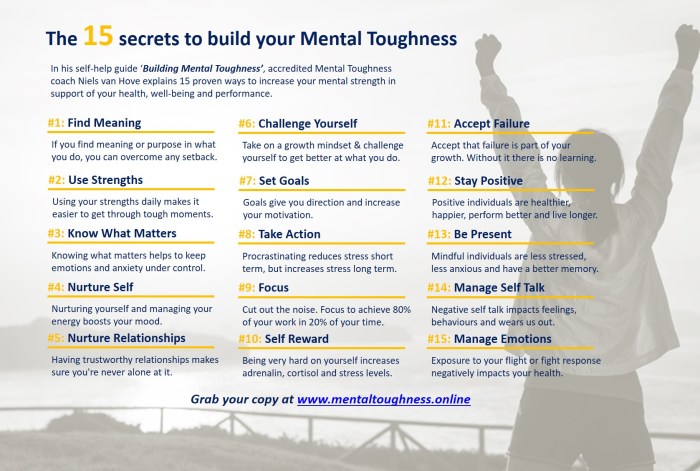
Developing mental strength is crucial for navigating life’s challenges with resilience. By incorporating specific techniques into your daily routine, you can enhance your mental toughness and cultivate a positive mindset. Here are some strategies to help you build mental strength:
Practicing gratitude
- Start each day by reflecting on things you are grateful for, no matter how small.
- Keep a gratitude journal to record positive experiences and moments of appreciation.
- Express gratitude towards others through kind gestures or words of thanks.
Setting realistic goals
- Break down larger goals into smaller, achievable tasks to maintain motivation.
- Celebrate progress and successes along the way to stay motivated and focused.
- Adjust goals as needed to adapt to changing circumstances and avoid unnecessary stress.
Practicing mindfulness
- Engage in mindfulness meditation to improve focus, reduce stress, and enhance self-awareness.
- Practice deep breathing exercises to calm the mind and body during moments of tension or anxiety.
- Stay present in the moment and avoid dwelling on past regrets or future uncertainties.
Cultivating self-compassion
- Be kind to yourself and practice self-compassion in times of failure or setbacks.
- Acknowledge your strengths and weaknesses without harsh self-criticism.
- Treat yourself with the same kindness and understanding you would offer to a friend in need.
Healthy Snacks: Techniques To Develop Mental Strength
Techniques to develop mental strength – When it comes to boosting energy levels and maintaining mental strength, incorporating healthy snacks into your daily diet can make a significant difference. These nutritious options not only provide essential nutrients but also help in sustaining energy levels throughout the day.
Nutritious Snack Options
- Almonds: Rich in healthy fats, protein, and fiber, almonds are a great snack to keep you full and focused.
- Greek Yogurt: Packed with protein and probiotics, Greek yogurt can help improve gut health and provide a sustainable source of energy.
- Fruit Salad: A mix of fresh fruits like berries, apples, and bananas can offer a natural sweetness along with vitamins and antioxidants.
- Veggie Sticks with Hummus: Crunchy vegetables paired with protein-rich hummus make for a satisfying and nutritious snack.
Benefits of Healthy Snacks
Incorporating healthy snacks into your diet can help stabilize blood sugar levels, prevent energy crashes, improve focus and concentration, and support overall well-being. By choosing nutrient-dense options, you can fuel your body and mind for optimal performance.
Easy Recipes for Wholesome Snacks
- Homemade Trail Mix: Combine nuts, seeds, and dried fruits for a customizable snack mix that provides a balance of protein, healthy fats, and carbohydrates.
- Baked Sweet Potato Chips: Slice sweet potatoes thinly, toss with olive oil and spices, then bake until crispy for a tasty and nutritious alternative to store-bought chips.
- Chia Seed Pudding: Mix chia seeds with almond milk and sweetener of choice, then let it sit overnight for a creamy and nutrient-packed pudding that can be topped with fruits or nuts.
Wellness Programs
Wellness programs are comprehensive initiatives designed to promote the overall well-being of individuals. These programs typically incorporate a variety of components aimed at improving physical, mental, and emotional health.
Components of a Comprehensive Wellness Program
- Physical Fitness: Regular exercise and physical activity are encouraged to improve cardiovascular health, strength, and flexibility.
- Nutrition Education: Providing information on healthy eating habits and offering guidance on balanced diets.
- Mental Health Support: Access to counseling services, stress management techniques, and mindfulness practices to enhance emotional well-being.
- Health Screenings: Regular check-ups and screenings to monitor health metrics and identify potential issues early on.
- Work-Life Balance: Promoting a healthy balance between work responsibilities and personal life to reduce burnout and improve overall satisfaction.
Impact of Wellness Programs on Employee Productivity
Wellness programs have been shown to have a positive impact on employee productivity in various ways. By promoting healthy habits and providing resources for mental health support, employees are better equipped to manage stress, stay focused, and maintain high levels of energy throughout the workday. This leads to improved job performance, reduced absenteeism, and increased employee engagement.
Success Stories of Individuals Benefiting from Wellness Initiatives
-
John, a software engineer, experienced a significant improvement in his overall well-being after participating in his company’s wellness program. By incorporating regular exercise and mindfulness practices into his routine, he noticed a boost in his energy levels and concentration at work.
-
Sarah, a marketing manager, struggled with work-related stress and anxiety until she started attending counseling sessions provided through her company’s wellness program. With the support and coping strategies she gained, Sarah was able to effectively manage her emotions and navigate challenging situations with more ease.
Physical Therapy
Physical therapy plays a crucial role in injury rehabilitation by focusing on restoring movement and function to the body. It involves a variety of techniques and exercises tailored to the individual’s specific needs to help them recover from injuries and regain strength.
Improving Mobility and Reducing Pain
Physical therapy can help improve mobility by targeting specific areas of the body with exercises to increase flexibility, strength, and range of motion. By addressing muscle imbalances and weaknesses, physical therapy can also help reduce pain associated with injuries or chronic conditions. Therapists may incorporate techniques such as manual therapy, stretching, and strengthening exercises to promote healing and alleviate discomfort.
Importance of Adherence to Exercises
Adherence to physical therapy exercises is crucial for recovery as consistency and dedication play a significant role in achieving positive outcomes. Following the prescribed treatment plan and completing exercises as advised by the therapist can expedite the healing process and prevent future injuries. It is essential for individuals to actively participate in their rehabilitation to maximize the benefits of physical therapy and improve their overall quality of life.
Health Coaching
Health coaching plays a crucial role in promoting lifestyle changes by providing individuals with personalized guidance and support to improve their overall well-being.
Role of a Health Coach in Promoting Lifestyle Changes
- Health coaches help clients set realistic health goals and develop actionable plans to achieve them.
- They offer ongoing support, motivation, and accountability to help individuals stay on track with their health goals.
- Health coaches educate clients on healthy lifestyle choices, including nutrition, exercise, and stress management techniques.
- They work collaboratively with clients to identify obstacles and develop strategies to overcome them.
Tips for Finding a Reputable Health Coach
- Look for a health coach who is certified through a reputable organization, such as the International Coach Federation (ICF).
- Read reviews and testimonials from past clients to gauge the effectiveness of the health coach.
- Consider scheduling a consultation or initial session to see if the health coach’s approach aligns with your goals and preferences.
- Avoid health coaches who promise quick fixes or unrealistic results.
Benefits of Working with a Health Coach to Achieve Health Goals
- Increased accountability and motivation to make sustainable lifestyle changes.
- Personalized support and guidance tailored to your unique needs and preferences.
- Improved knowledge and skills related to nutrition, exercise, and overall well-being.
- Enhanced self-awareness and confidence in managing your health and wellness.
Medical Advancements
Medical advancements have significantly transformed the landscape of healthcare, leading to improved patient care and outcomes. These breakthroughs in medical technology have revolutionized the way diseases are diagnosed, treated, and managed, paving the way for a more efficient and effective healthcare system.
Recent Advances in Medical Technology
- Robot-Assisted Surgery: Robotic technology has enabled surgeons to perform complex procedures with greater precision and control, resulting in faster recovery times and reduced complications.
- Precision Medicine: Tailoring treatment plans based on an individual’s genetic makeup and specific characteristics has led to more personalized and effective therapies for various conditions.
- Telemedicine: The use of telecommunication technology has made healthcare more accessible, allowing patients to consult with healthcare providers remotely and receive timely medical advice.
Impact on Patient Care
- Enhanced Diagnostics: Advanced imaging techniques and diagnostic tools have enabled healthcare professionals to detect diseases at earlier stages, leading to more timely interventions and better outcomes.
- Improved Treatment Options: Medical advancements have expanded the range of treatment options available, offering patients more choices and increasing the likelihood of successful outcomes.
- Remote Monitoring: Wearable devices and digital health platforms allow for continuous monitoring of patients’ health status, facilitating proactive interventions and personalized care plans.
Future of Healthcare with Emerging Technologies
- Artificial Intelligence: AI algorithms can analyze vast amounts of medical data to identify patterns and trends, assisting healthcare providers in making more informed decisions and improving patient outcomes.
- Genomic Editing: Tools like CRISPR-Cas9 offer the potential to edit genes and correct genetic mutations, opening up possibilities for targeted therapies and personalized medicine.
- Virtual Reality: VR technology is being used for pain management, rehabilitation, and medical training, showcasing its potential to enhance patient experiences and improve treatment outcomes.
Fitness Goals
Setting realistic fitness goals is crucial for long-term success in improving physical health and overall well-being. These goals provide a clear direction and purpose, helping individuals stay focused and motivated on their fitness journey.
Importance of Setting Realistic Fitness Goals
Setting realistic fitness goals ensures that individuals do not set themselves up for failure by aiming for unattainable objectives. It allows for gradual progress and prevents burnout or frustration from unrealistic expectations. By breaking down larger goals into smaller, achievable milestones, individuals can track their progress and celebrate their successes along the way.
Strategies for Staying Motivated
- Find a workout routine that you enjoy and look forward to.
- Set specific, measurable, achievable, relevant, and time-bound (SMART) goals.
- Join fitness challenges or classes to stay accountable and motivated.
- Reward yourself for reaching milestones or sticking to your fitness plan.
- Remind yourself of the reasons why you started and visualize your success.
Benefits of Tracking Progress
Tracking progress towards fitness goals provides valuable insights into what is working and what may need adjustment in your fitness regimen. It helps individuals stay motivated by seeing tangible results and improvements over time. Additionally, tracking progress allows for modifications to be made to ensure continued progress and success in achieving fitness targets.
Balanced Nutrition
Maintaining a well-balanced diet is crucial for overall health and well-being. A balanced diet consists of a variety of nutrients that provide the necessary energy and essential elements for our bodies to function properly.
Components of a Well-Balanced Diet
- Proteins: Found in meat, fish, eggs, and plant-based sources like beans and lentils, proteins are essential for building and repairing tissues.
- Carbohydrates: Main sources of energy, carbohydrates are found in fruits, vegetables, whole grains, and legumes.
- Fats: Healthy fats from sources like avocados, nuts, and olive oil are important for brain function and hormone production.
- Vitamins and Minerals: Found in fruits, vegetables, nuts, and seeds, vitamins and minerals play a key role in various bodily functions.
- Fiber: Found in whole grains, fruits, and vegetables, fiber aids in digestion and helps maintain a healthy gut.
Tips for Maintaining a Balanced Diet
- Include a variety of foods in your diet to ensure you are getting all the essential nutrients.
- Avoid processed foods high in sugar, salt, and unhealthy fats.
- Stay hydrated by drinking plenty of water throughout the day.
- Plan your meals ahead of time to avoid impulsive and unhealthy food choices.
- List to your body’s hunger and fullness cues to eat when hungry and stop when satisfied.
Impact of Balanced Nutrition on Overall Health
Eating a balanced diet not only provides the necessary nutrients for our bodies to function optimally but also reduces the risk of chronic diseases such as heart disease, diabetes, and obesity. A balanced diet can improve energy levels, mood, and overall well-being, making it essential for maintaining a healthy lifestyle.
Yoga Practice
Yoga is a powerful practice that offers a wide range of mental and physical benefits to those who incorporate it into their daily routine. Not only does it help improve flexibility and strength, but it also promotes relaxation, mindfulness, and emotional balance.
Benefits of Regular Yoga Practice
- Improves flexibility and strength
- Reduces stress and anxiety levels
- Enhances mental clarity and focus
- Promotes better sleep quality
- Boosts overall sense of well-being
Beginner-Friendly Yoga Poses for Stress Relief and Relaxation
- Child’s Pose: Helps release tension in the back and shoulders.
- Corpse Pose: Promotes deep relaxation and calmness.
- Cat-Cow Stretch: Improves spine flexibility and releases stress.
- Legs Up the Wall: Relieves tired legs and soothes the nervous system.
- Mountain Pose: Enhances posture and cultivates a sense of grounding.
Contribution of Yoga to Mindfulness and Emotional Balance
Through the practice of yoga, individuals can learn to connect with their breath, body, and mind, fostering a sense of presence and awareness. This heightened mindfulness can lead to better emotional regulation and a greater sense of balance in daily life.
Health Education
Health education plays a crucial role in disease prevention by empowering individuals with knowledge and skills to make informed decisions about their health.
By providing reliable health information, individuals can learn about the importance of preventive measures, early detection of diseases, and the benefits of a healthy lifestyle. This knowledge can lead to better lifestyle choices and ultimately reduce the risk of developing various health conditions.
Importance of Health Education
- Health education helps individuals understand the importance of regular exercise, balanced nutrition, and adequate sleep in maintaining good health.
- It raises awareness about the risks of unhealthy behaviors such as smoking, excessive alcohol consumption, and poor dietary habits.
- By promoting preventive screenings and vaccinations, health education can help detect diseases early and improve treatment outcomes.
Accessing Reliable Health Information
- Consulting reputable sources such as government health websites, medical journals, and healthcare professionals can provide accurate and up-to-date information.
- Online platforms like WebMD, Mayo Clinic, and CDC offer reliable resources on a wide range of health topics.
- Community health centers and local libraries may also provide access to educational materials and workshops on health-related issues.
Promoting Better Lifestyle Choices
- Health education can empower individuals to make healthier choices by understanding the impact of their behaviors on overall well-being.
- Encouraging regular physical activity, healthy eating habits, and stress management techniques can enhance quality of life and reduce the risk of chronic diseases.
- By educating individuals about the benefits of a balanced lifestyle, health education can inspire positive changes that lead to long-term health and wellness.
Weight Management
Maintaining a healthy weight is essential for overall well-being. Effective weight management involves a combination of proper diet, regular exercise, and lifestyle changes. By implementing sustainable strategies, individuals can achieve their weight loss or maintenance goals while improving their overall health.
Impact of Weight Management
Weight management plays a crucial role in promoting overall health and reducing the risk of various chronic conditions. Excess weight can increase the likelihood of developing conditions such as heart disease, diabetes, and certain types of cancer. By maintaining a healthy weight, individuals can improve their quality of life and longevity.
Strategies for Sustainable Weight Loss or Maintenance
- Focus on a balanced diet rich in fruits, vegetables, whole grains, lean proteins, and healthy fats.
- Monitor portion sizes and avoid mindless eating to prevent overconsumption of calories.
- Incorporate regular physical activity into your routine, aiming for at least 150 minutes of moderate exercise per week.
- Stay hydrated and limit sugary beverages and high-calorie snacks.
- Set realistic goals and track your progress to stay motivated and accountable.
Health Checkups
Regular health checkups are essential for maintaining overall well-being and detecting any potential health issues at an early stage. These preventive measures play a crucial role in ensuring early intervention and effective treatment, ultimately leading to better health outcomes.
Importance of Regular Health Checkups
Health checkups allow healthcare providers to assess your current health status, identify risk factors, and screen for various medical conditions. By detecting any abnormalities or signs of illness early on, individuals can take proactive steps to manage their health and prevent the progression of potential health problems.
Guidelines for Scheduling Routine Health Screenings
- Consult with your healthcare provider to determine the recommended frequency of health checkups based on your age, gender, and medical history.
- Follow the recommended schedule for screenings such as blood pressure checks, cholesterol tests, and cancer screenings.
- Keep track of your appointments and screenings to ensure timely follow-ups and continuity of care.
Benefits of Preventive Healthcare through Regular Checkups
- Early detection of health issues allows for timely intervention and treatment, potentially reducing the severity of illnesses and improving outcomes.
- Preventive screenings can help identify risk factors for chronic diseases, enabling individuals to make lifestyle changes and adopt healthy habits to prevent illness.
- Regular health checkups promote a proactive approach to healthcare, empowering individuals to take control of their well-being and prioritize preventive measures.
Skin Health
Maintaining skin health is crucial for overall well-being as the skin serves as a protective barrier against external factors. A consistent skincare routine can help in keeping the skin healthy and vibrant.
Significance of Skincare Routines
A skincare routine involves cleansing, toning, moisturizing, and protecting the skin from sun damage. Cleansing helps to remove dirt and impurities, while toning restores the skin’s pH balance. Moisturizing keeps the skin hydrated, and using sunscreen protects against harmful UV rays.
Tips for Protecting the Skin
- Avoid prolonged sun exposure and use sunscreen with at least SPF 30.
- Stay hydrated by drinking plenty of water throughout the day.
- Eat a balanced diet rich in fruits, vegetables, and whole grains for essential nutrients.
- Avoid smoking and limit alcohol consumption as they can accelerate skin aging.
Common Skin Conditions and Management
Some common skin conditions include acne, eczema, psoriasis, and rosacea. Management strategies may include topical treatments, prescription medications, lifestyle changes, and avoiding triggers that worsen the condition.
Emotional Health
Emotional health plays a crucial role in our overall well-being, impacting our physical health, relationships, and daily functioning. It is essential to understand the link between emotional well-being and overall health to prioritize self-care and seek necessary support when needed.
Coping Mechanisms for Managing Stress
- Practice relaxation techniques such as deep breathing, meditation, or yoga to reduce stress levels.
- Engage in regular physical activity to release endorphins and improve mood.
- Connect with supportive friends or loved ones to share your feelings and seek comfort.
- Set boundaries and prioritize self-care activities to prevent burnout and overwhelm.
Importance of Seeking Professional Help
It is crucial to seek professional help from therapists, counselors, or psychologists when experiencing persistent feelings of sadness, anxiety, or other mental health concerns.
- Professional help can provide personalized treatment plans and strategies to improve emotional well-being.
- Therapy sessions offer a safe space to explore and address underlying issues contributing to emotional distress.
- Medication management and psychiatric support may be necessary for certain mental health conditions.
Health Motivation
Maintaining motivation to adopt healthy habits can be challenging, but there are strategies that can help you stay on track. One key factor in staying motivated is having a strong support system in place. Surrounding yourself with friends, family, or a community that encourages and supports your health goals can make a significant difference in your motivation levels.
Role of Social Support
- Engage with like-minded individuals who share your health goals to stay motivated.
- Join group fitness classes or online communities that provide encouragement and accountability.
- Share your progress and setbacks with a trusted friend or mentor who can offer support and guidance.
Setting Goals
- Establish both short-term and long-term health goals to keep yourself motivated and focused.
- Break down larger goals into smaller, achievable milestones to track your progress and celebrate your successes along the way.
- Set specific, measurable, attainable, relevant, and time-bound (SMART) goals to enhance motivation and clarity.
Physical Activities
Regular physical activity plays a crucial role in improving both physical and mental health. It helps in maintaining a healthy weight, reducing the risk of chronic diseases, boosting mood, and enhancing overall well-being.
Benefits of Regular Physical Activity, Techniques to develop mental strength
- Improves cardiovascular health and reduces the risk of heart disease.
- Enhances muscle strength and flexibility.
- Boosts energy levels and promotes better sleep.
- Helps in managing stress and anxiety.
- Increases overall quality of life and longevity.
Types of Exercises for Varying Fitness Levels
- Low-impact exercises like walking, swimming, or gentle yoga for beginners or individuals with mobility issues.
- Strength training with light weights or resistance bands for those looking to build muscle and bone strength.
- High-intensity interval training (HIIT) for advanced fitness enthusiasts aiming to improve endurance and burn calories.
- Aerobic exercises such as running, cycling, or dancing for overall cardiovascular fitness.
Importance of Incorporating Movement Into Daily Routines
Regular movement throughout the day, whether through structured exercise or simple activities like taking the stairs or stretching breaks, is essential for maintaining a healthy lifestyle. It helps in preventing sedentary behavior, improving posture, increasing energy levels, and enhancing productivity.
Health Awareness
Raising awareness about common health issues is crucial in promoting overall well-being and preventing diseases. By educating individuals about the importance of healthy living and regular check-ups, we empower them to make informed decisions about their health.
Initiatives Promoting Health Awareness
- Community health fairs offering free screenings and consultations
- Health campaigns focusing on specific issues such as mental health or nutrition
- School programs teaching students about the importance of exercise and balanced diets
- Online platforms sharing information and resources on various health topics
Role of Education in Increasing Health Literacy
- Providing accurate and reliable information to dispel myths and misconceptions
- Teaching individuals how to interpret health-related data and research
- Empowering people to take control of their health through knowledge and awareness
Preventive Medicine
Preventive medicine plays a crucial role in reducing healthcare costs by focusing on early detection and intervention, ultimately preventing more costly treatments for advanced diseases. By taking proactive steps to maintain overall health and well-being, individuals can significantly decrease the financial burden associated with medical care.
Importance of Preventive Measures
- Regular health screenings and check-ups can detect potential health issues before they escalate, saving both lives and money in the long run.
- Vaccinations are a key preventive measure that can protect against infectious diseases, reducing the need for expensive treatments and hospitalizations.
- Healthy lifestyle choices such as maintaining a balanced diet, staying physically active, and managing stress can prevent the onset of chronic conditions like heart disease, diabetes, and obesity.
Lifestyle Modifications for Preventive Healthcare
- Engaging in regular physical activity can help reduce the risk of developing chronic diseases and improve overall health outcomes.
- Adopting a nutritious diet rich in fruits, vegetables, whole grains, and lean proteins can support optimal health and lower the likelihood of obesity-related illnesses.
- Practicing stress management techniques such as meditation, yoga, or mindfulness can enhance mental well-being and reduce the risk of stress-related health issues.
Nutritional Counseling
Nutritional counseling plays a crucial role in promoting healthy eating habits by providing individuals with personalized guidance and support to achieve their dietary goals. By working closely with a nutritionist, individuals can gain a better understanding of their nutritional needs, develop tailored meal plans, and make sustainable lifestyle changes for improved overall health and well-being.
Role of a Nutritional Counselor
Nutritional counselors are trained professionals who assess an individual’s dietary habits, health goals, and medical history to create personalized nutrition plans. They provide evidence-based recommendations on food choices, portion sizes, meal timing, and nutritional supplements to optimize health outcomes. By offering education, support, and accountability, nutritional counselors empower individuals to make informed decisions about their diet and lifestyle.
Finding a Qualified Nutritionist
When seeking a qualified nutritionist for personalized guidance, it is essential to consider their credentials, experience, and approach to nutrition counseling. Look for registered dietitians (RD) or certified nutrition specialists (CNS) who have completed accredited programs and have expertise in areas relevant to your specific health concerns or goals. Additionally, consider scheduling a consultation to discuss your needs, expectations, and the counselor’s treatment philosophy before committing to a long-term counseling relationship.
Benefits of Nutritional Counseling
Nutritional counseling offers a wide range of benefits in achieving dietary goals, such as weight management, improved energy levels, better digestion, enhanced athletic performance, and reduced risk of chronic diseases. By addressing individual nutritional needs and behavior patterns, nutritional counselors can help clients develop sustainable habits, overcome barriers to healthy eating, and maintain long-term wellness. Through ongoing support and guidance, individuals can make positive changes that lead to lasting improvements in their overall health and quality of life.
Healthy Mind
Maintaining a healthy mind is crucial for overall well-being as it directly impacts our emotional, psychological, and physical health. A healthy mind can help us cope with stress, make better decisions, and improve our relationships with others.
Mindfulness Techniques
- Practice deep breathing exercises to calm the mind and reduce stress levels.
- Engage in meditation to increase self-awareness and promote mental clarity.
- Focus on the present moment by practicing mindfulness in daily activities.
- Acknowledge and accept your thoughts and emotions without judgment.
- Cultivate gratitude by reflecting on things you are thankful for each day.
Positive Mindset and Physical Health
A positive mindset has been linked to improved physical health and increased longevity. Studies have shown that individuals with a positive outlook on life tend to have lower levels of stress, reduced risk of chronic diseases, and better immune function.
Quick FAQs
How can I improve my mental resilience?
To enhance mental resilience, you can practice mindfulness, engage in regular physical exercise, and cultivate a positive outlook on life.
Why is positive thinking important for mental strength?
Positive thinking can help reframe challenging situations, reduce stress, and improve overall mental well-being, leading to greater resilience.
What are some examples of daily habits that enhance mental toughness?
Examples include setting realistic goals, practicing gratitude, maintaining a healthy lifestyle, and seeking social support when needed.


More Stories
Physical activities for enhancing mood: Boost your mental well-being with these activities
Yoga practice for weight loss: A holistic approach to wellness