Benefits of Physical Activities for Enhancing Mood
Regular physical activities have been shown to have numerous benefits for improving mood and overall mental well-being. One of the key ways exercise helps enhance mood is by stimulating the release of endorphins, which are often referred to as “feel-good” hormones. Endorphins act as natural painkillers and are responsible for the euphoric feeling often experienced after a workout.
Examples of Activities
- Running or jogging: Cardiovascular exercises like running have been linked to reducing symptoms of anxiety and depression.
- Yoga: Practicing yoga not only improves flexibility and strength but also helps in stress reduction and relaxation.
- Dancing: Moving to music can boost mood and increase feelings of happiness and self-confidence.
Connection between Physical and Emotional Health
Regular physical activity is not only crucial for maintaining physical health but also plays a significant role in emotional well-being. Exercise helps in reducing stress, improving sleep quality, boosting self-esteem, and enhancing overall mood. By engaging in various physical activities, individuals can effectively manage their emotions and cope with daily stressors, leading to a more positive outlook on life.
Types of Physical Activities for Enhancing Mood
Regular physical activity is essential for improving mood and overall mental well-being. Different types of exercises can have varying effects on mood, from reducing stress and anxiety to boosting feelings of happiness and relaxation.
Cardiovascular Exercises
Cardio exercises like running, swimming, or cycling are great for improving mood as they increase the production of endorphins, also known as “feel-good” hormones. These activities help reduce feelings of anxiety and depression, promoting a sense of well-being.
Strength Training
Strength training exercises, such as weight lifting or bodyweight exercises, can also positively impact mood. They help increase self-esteem, confidence, and body image, leading to a more positive outlook on life.
Yoga and Mindfulness Activities
Yoga and mindfulness activities focus on the connection between the mind and body, promoting relaxation and stress reduction. These practices can help improve mood by calming the mind and increasing feelings of inner peace and contentment.
Outdoor Activities
Engaging in outdoor activities like hiking, cycling, or nature walks can have a profound effect on mood. Spending time in nature has been linked to reduced stress levels, improved mood, and increased feelings of happiness and vitality.
Group Activities
Participating in group activities, such as team sports, fitness classes, or group hikes, can enhance mood through social interaction and support. Group exercises provide a sense of belonging, camaraderie, and motivation, leading to increased feelings of happiness and overall well-being.
Incorporating Physical Activities into Daily Routine
To maintain a consistent exercise routine, it is essential to find ways to incorporate physical activities into your daily schedule. Here are some tips to help you make time for exercise amidst a busy schedule and stay motivated to reap the mood-boosting benefits.
Making Time for Exercise
- Wake up earlier: Consider setting your alarm a bit earlier to fit in a quick workout before your day gets busy.
- Combine activities: Multitask by incorporating physical activities into everyday tasks, such as taking the stairs instead of the elevator.
- Schedule it: Treat exercise like any other important appointment and block out time for it in your calendar.
Staying Motivated
- Set goals: Establish clear and achievable fitness goals to keep you motivated and on track.
- Find a workout buddy: Exercising with a friend can provide accountability and make workouts more enjoyable.
- Reward yourself: Celebrate your progress with rewards like a new workout outfit or a relaxing massage.
Importance of Consistency
Physical activities for enhancing mood – Consistency is key when it comes to reaping the mood-boosting benefits of exercise. Regular physical activity helps release endorphins, which are known as “feel-good” hormones that can improve your mood and overall well-being. By sticking to a consistent workout routine, you can experience the positive effects of exercise on your mental health.
Connection Between Nutrition and Mood Enhancement
Having a balanced diet plays a crucial role in contributing to overall well-being and mood. The nutrients we consume through food have a direct impact on our brain function and mood regulation.
Healthy Snacks for Mood Enhancement
When engaging in physical activities to enhance mood, it is important to complement them with healthy snacks that provide sustained energy and support brain function. Here are some examples of healthy snacks:
- Almonds: Rich in magnesium, almonds can help regulate mood and reduce stress.
- Greek Yogurt: Packed with protein and probiotics, Greek yogurt can help improve mood and reduce anxiety.
- Dark Chocolate: Contains antioxidants and can stimulate the production of endorphins, which are mood-boosting hormones.
- Fruits: Berries, bananas, and apples are great sources of vitamins and minerals that can support brain function and mood regulation.
Role of Hydration in Supporting Mood
Staying hydrated is essential for maintaining mood stability, especially during physical activities. Dehydration can lead to fatigue, irritability, and poor concentration, all of which can negatively impact mood. Drinking an adequate amount of water before, during, and after physical activities is crucial for supporting mood and overall well-being.
Mental Strength and Physical Activities
Physical activities not only benefit our physical health but also play a crucial role in enhancing our mental strength and resilience. Engaging in regular exercise can have a profound impact on our psychological well-being, helping us build mental toughness and emotional resilience.
Building Resilience and Mental Toughness
Regular physical activity can help individuals develop resilience by exposing them to challenges and obstacles that they must overcome. By pushing through physical barriers and consistently working towards fitness goals, individuals can cultivate mental toughness that translates into other areas of their lives. The discipline and perseverance required for physical activities can strengthen one’s mindset and ability to cope with stress and adversity.
Psychological Benefits of Setting and Achieving Fitness Goals
Setting and achieving fitness goals through physical activities can have a positive impact on mental health. Accomplishing milestones, whether it’s running a certain distance, lifting a specific weight, or mastering a new exercise, can boost self-confidence and self-esteem. This sense of achievement can contribute to a more positive outlook on life and improve overall mental well-being.
Using Exercise as a Tool for Mental Strength and Emotional Resilience
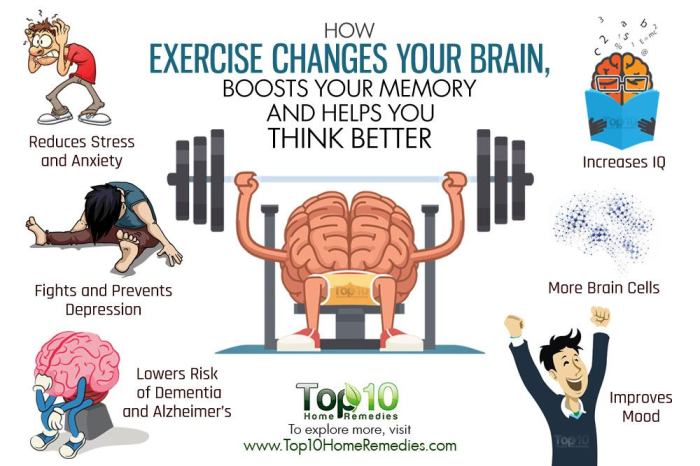
Exercise can be a powerful tool for improving mental strength and emotional resilience. Engaging in physical activities releases endorphins, also known as “feel-good” hormones, which can help alleviate symptoms of stress, anxiety, and depression. Additionally, regular exercise can improve sleep quality, enhance cognitive function, and provide a sense of accomplishment and control over one’s life. By incorporating exercise into daily routines and using it as a coping mechanism during challenging times, individuals can build mental strength and emotional resilience over time.
Importance of Wellness Programs in Enhancing Mood
Structured wellness programs play a crucial role in supporting mental health through physical activities. These programs are designed to promote holistic well-being by focusing on various aspects that contribute to mood enhancement.
Components of an Effective Wellness Program for Mood Enhancement
- Physical Activities: Incorporating a variety of exercises such as cardio, strength training, and yoga to improve mood and reduce stress.
- Nutritional Guidance: Providing information on healthy eating habits that can positively impact mood and overall mental health.
- Mental Health Support: Offering resources like counseling, therapy, and stress management techniques to address emotional well-being.
- Social Interaction: Encouraging participation in group activities to foster connections and alleviate feelings of loneliness or isolation.
Role of Community Support in Wellness Programs for Mental Well-being
Community support plays a vital role in wellness programs for mental well-being as it creates a sense of belonging and promotes social engagement. By being part of a supportive community, individuals can share experiences, seek advice, and receive encouragement to stay motivated on their wellness journey.
Physical Therapy for Mood Improvement
Physical therapy plays a crucial role in enhancing mood and managing stress for individuals. Through tailored exercise programs and rehabilitation techniques, physical therapists can significantly contribute to improving emotional well-being.
Designing Exercise Programs for Mental Health Benefits
Physical therapists are trained to design exercise programs that cater to the specific needs and goals of individuals seeking mental health benefits. They take into consideration factors like physical limitations, fitness levels, and emotional well-being to create personalized plans that promote mood improvement.
Connection Between Physical Rehabilitation and Emotional Well-Being
Physical rehabilitation not only focuses on physical recovery but also on emotional well-being. By engaging in exercises that target both the body and mind, individuals undergoing physical therapy can experience a boost in mood, reduced stress levels, and overall improved mental health. This holistic approach highlights the interconnectedness of physical and emotional well-being in the healing process.
Health Coaching and Physical Activities
Health coaching plays a crucial role in supporting individuals to incorporate physical activities for enhancing mood. By providing guidance, motivation, and accountability, health coaches help individuals establish and maintain a consistent exercise routine that can positively impact their mental well-being.
Role of a Health Coach in Setting Fitness Goals and Tracking Progress
Health coaches work closely with individuals to set realistic and achievable fitness goals based on their current physical condition, preferences, and lifestyle. They create personalized exercise plans and monitor progress to ensure that clients are on track to meet their objectives. Regular check-ins and adjustments to the fitness plan are made as needed to support continuous improvement.
- Health coaches help individuals identify specific physical activities that align with their interests and goals, making the exercise experience more enjoyable and sustainable.
- They provide education on the benefits of different types of workouts and help clients explore new forms of exercise to keep things interesting and challenging.
- Health coaches also assist in overcoming barriers to physical activity, such as lack of time, motivation, or knowledge, by offering practical solutions and support.
Holistic Approach of Health Coaching in Improving Overall Well-being and Mood
Health coaching takes a comprehensive approach to well-being, considering not only physical fitness but also mental, emotional, and social aspects of health. By addressing the interconnected nature of these dimensions, health coaches help individuals achieve a balanced and fulfilling life that promotes a positive mood.
Health coaches emphasize the importance of self-care practices, stress management techniques, and healthy lifestyle habits to enhance overall well-being and mood.
- They support clients in developing a positive mindset, cultivating resilience, and building self-confidence through consistent physical activity and healthy behaviors.
- Health coaches promote a holistic view of health that recognizes the impact of exercise on mental health, stress reduction, and emotional balance.
- By fostering a supportive and empowering relationship, health coaches empower individuals to take control of their health and well-being, leading to sustainable improvements in mood and overall quality of life.
Medical Advancements in Mood-Enhancing Physical Activities
Physical activities have long been known to have a positive impact on mental health and mood regulation. With advancements in medical technology and research, innovative treatments and therapies have been developed to further enhance the benefits of exercise on mental well-being.
Impact of Exercise on Brain Health and Mood Regulation, Physical activities for enhancing mood
Research has shown that regular physical activity can lead to significant improvements in brain health and mood regulation. Exercise stimulates the release of endorphins, which are neurotransmitters that help to reduce feelings of pain and increase feelings of pleasure. Additionally, physical activity has been linked to the growth of new brain cells, particularly in areas of the brain associated with memory and learning.
Examples of Medical Advancements Supporting Physical Activities for Mood Enhancement
One notable advancement is the use of virtual reality (VR) technology in mental health treatment. VR can be used to create immersive environments that simulate real-life scenarios, allowing individuals to engage in physical activities such as walking, running, or even dancing in a virtual setting. This not only makes exercise more enjoyable but also helps to improve mood and reduce stress.
Another advancement is the development of wearable devices that track physical activity levels and provide real-time feedback to users. These devices can help individuals set and achieve fitness goals, leading to a sense of accomplishment and an overall improvement in mood.
Incorporating these medical advancements into mental health treatments and wellness programs can greatly enhance the benefits of physical activities for mood enhancement, ultimately contributing to better overall well-being.
Yoga Practice for Mood Enhancement
Yoga is a powerful practice that can significantly improve mental well-being through a combination of movement and mindfulness. The holistic approach of yoga helps individuals connect with their bodies and minds, leading to reduced stress, anxiety, and an overall improvement in mood.
Benefits of Different Yoga Styles for Enhancing Mood
- Restorative Yoga: Focuses on relaxation and deep breathing, promoting a sense of calmness and reducing stress levels.
- Vinyasa Yoga: Involves flowing movements and breath synchronization, increasing energy levels and improving mood.
- Hatha Yoga: Combines physical postures with breathing techniques, enhancing mental clarity and emotional balance.
- Yin Yoga: Targets deep connective tissues through passive poses, releasing tension and promoting relaxation.
Tips for Beginners on Incorporating Yoga for Mood Enhancement
- Start with beginner-friendly classes or online tutorials to learn the basic poses and breathing techniques.
- Set aside a specific time each day for your yoga practice to establish a routine and make it a habit.
- Listen to your body and practice self-compassion, allowing yourself to progress at your own pace without judgment.
- Experiment with different styles of yoga to find what resonates best with you and brings the most benefits to your mood.
Health Education on Mood-Boosting Physical Activities
Regular physical activity has been shown to have numerous mental health benefits, including reducing symptoms of anxiety and depression, improving mood, and boosting overall well-being. It is crucial to educate individuals on the importance of incorporating physical activities into their daily routines to enhance their mental health and emotional well-being.
The Importance of Educating Individuals on the Mental Health Benefits of Physical Activities
- Physical activity releases endorphins, which are known as “feel-good” hormones that can help reduce stress and improve mood.
- Exercise can enhance self-esteem and confidence, leading to a more positive outlook on life.
- Regular physical activity can help improve sleep quality, which is crucial for maintaining mental health.
Resources or Tools for Learning About the Connection Between Exercise and Mood Improvement
- Online platforms and apps that provide information on the mental health benefits of physical activities and offer guided workout sessions.
- Books and articles by experts in the field of exercise physiology and psychology that explain the science behind how exercise impacts mood.
- Workshops and seminars conducted by healthcare professionals to educate the community on the importance of physical activity for mental well-being.
Strategies for Healthcare Professionals to Promote Physical Activities for Mental Well-Being
- Incorporate discussions on the mental health benefits of physical activities during patient consultations.
- Provide patients with personalized exercise plans tailored to their fitness levels and mental health goals.
- Collaborate with fitness professionals and wellness coaches to create holistic wellness programs that emphasize the connection between exercise and mood improvement.
Weight Management and Mood Enhancement
Maintaining a healthy weight through physical activities can have a significant positive impact on mood. When individuals engage in regular exercise and follow a balanced diet to manage their weight, they often experience improved mental well-being and a more positive outlook on life.
Relationship Between Body Image, Self-Esteem, and Mental Health
Body image, self-esteem, and mental health are closely interconnected when it comes to weight management. Individuals who are satisfied with their body image and feel confident about themselves tend to have better mental health outcomes. On the other hand, those struggling with self-esteem issues related to their weight may experience negative impacts on their mood and overall well-being.
Tips for Incorporating a Balanced Approach to Fitness and Nutrition for Mood Enhancement
- Set realistic goals: Establish achievable fitness and nutrition goals that are sustainable in the long run.
- Find activities you enjoy: Engage in physical activities that you find enjoyable to stay motivated and consistent.
- Prioritize nutrient-dense foods: Focus on consuming a variety of nutrient-rich foods to support both physical and mental health.
- Practice mindfulness: Incorporate mindfulness techniques into your routine to manage stress and improve mood.
- Seek professional guidance: Consult with a healthcare provider or nutritionist to create a personalized plan that suits your needs and goals.
Skin Health Benefits of Physical Activities
Regular physical activities not only benefit our overall health but also play a significant role in improving skin health. Exercise can enhance skin appearance, boost self-confidence, and contribute to a positive self-image.
Effects of Increased Blood Flow and Circulation
Engaging in physical activities increases blood flow and circulation throughout the body, including the skin. This improved circulation helps deliver essential nutrients and oxygen to the skin cells, promoting a healthy and vibrant complexion. Additionally, the increased blood flow can help flush out toxins and waste products from the skin, leading to a clearer and more radiant appearance.
Role of Hydration and Nutrition
Proper hydration and nutrition are crucial for maintaining skin health during exercise. Drinking an adequate amount of water helps keep the skin hydrated and supports the body’s natural detoxification process. Consuming a balanced diet rich in vitamins, minerals, and antioxidants provides the necessary nutrients to support skin regeneration and repair. Including foods like fruits, vegetables, lean proteins, and healthy fats can help nourish the skin from within, enhancing its overall health and appearance.
Emotional Health and Physical Activities
Regular physical activities offer numerous emotional benefits beyond just physical health. Engaging in exercise can significantly contribute to stress relief, mood regulation, and overall emotional well-being. The impact of physical activities on emotional health is profound, with many individuals experiencing improvements in managing anxiety, depression, and other mental health conditions through consistent exercise routines.
Stress Relief and Mood Regulation
- Physical activities such as running, yoga, or dancing release endorphins, which are known as the body’s natural mood elevators.
- Exercise helps reduce levels of the body’s stress hormones, such as adrenaline and cortisol, leading to a more relaxed state of mind.
- Regular physical activities can improve sleep patterns, which play a significant role in regulating mood and reducing stress.
Managing Anxiety and Depression
- Studies have shown that individuals who engage in regular exercise are less likely to experience symptoms of anxiety and depression.
- Physical activities increase the production of neurotransmitters like serotonin and dopamine, which are linked to improved mood and reduced feelings of anxiety and depression.
- Exercise promotes a sense of accomplishment and self-confidence, which can be beneficial for individuals struggling with mental health conditions.
Personal Experiences
- Many individuals have shared personal stories of how incorporating physical activities into their daily routine has transformed their emotional well-being.
- From finding solace in nature through outdoor activities to experiencing a sense of community in group exercise classes, the emotional benefits of physical activities are diverse and impactful.
- Individuals have reported feeling more resilient, optimistic, and empowered to face life’s challenges after prioritizing regular exercise in their lives.
Health Awareness and Mood-Enhancing Activities: Physical Activities For Enhancing Mood
Physical activities play a crucial role in enhancing mood and overall mental well-being. It is essential to raise awareness about the mental health benefits associated with engaging in physical activities regularly. By understanding the positive impact of exercise on mood, individuals can make informed choices to prioritize their mental health.
Role of Advocacy and Education
Advocacy and education play a vital role in promoting mood-enhancing activities for overall well-being. Advocacy efforts help in highlighting the importance of incorporating physical activities into daily routines to improve mood. Education provides individuals with the knowledge and tools needed to understand how exercise can positively impact their mental health.
- Advocacy campaigns can focus on destigmatizing mental health issues and promoting the benefits of physical activities in managing mood disorders.
- Educational programs can offer resources, guidance, and evidence-based information on the link between exercise and mood enhancement.
- Collaborations between advocacy groups, healthcare professionals, and educators can create a comprehensive approach to raising awareness about the mental health benefits of physical activities.
Examples of Initiatives
Several initiatives and campaigns aim to increase health awareness through physical activities, specifically focusing on mood enhancement. These initiatives can range from community-based programs to national campaigns that emphasize the importance of mental well-being and physical exercise.
- The “Exercise Your Mood” campaign, which encourages individuals to explore various physical activities to improve their mood and mental health.
- Local wellness centers offering workshops and seminars on the benefits of exercise in managing stress, anxiety, and depression.
- Social media campaigns promoting daily movement challenges or virtual workout sessions to engage individuals in mood-boosting activities.
Preventive Medicine Through Physical Activities
Regular physical activities play a crucial role in preventing mental health issues. Engaging in exercise has been recognized as a form of preventive medicine for mood disorders, offering a natural and effective way to boost mental well-being.
Benefits of Preventive Medicine Through Physical Activities
- Regular physical activities help reduce stress levels and anxiety, which are common triggers for mood disorders.
- Exercise promotes the release of endorphins, also known as “feel-good” hormones, which can elevate mood and combat feelings of depression.
- Physical activities improve sleep quality, which is essential for maintaining good mental health and preventing mood disturbances.
Scientific Evidence Supporting Physical Activities for Mental Health Prevention
Research studies have shown that individuals who engage in regular exercise are less likely to develop symptoms of depression and anxiety disorders.
- A meta-analysis published in the Journal of Clinical Psychiatry found that physical activity can significantly reduce the risk of developing depression.
- Another study in the American Journal of Preventive Medicine highlighted the positive impact of exercise on reducing the incidence of anxiety disorders.
- Neuroscientific research has demonstrated the neurobiological mechanisms through which exercise can protect against mood disorders by enhancing brain function and resilience.
Nutritional Counseling and Mood Enhancement
Nutritional counseling plays a crucial role in enhancing mood alongside physical activities. By focusing on a balanced diet, individuals can optimize their mental well-being and overall health.
Role of a Nutritionist in Designing Meal Plans
Nutritionists are trained professionals who can create personalized meal plans that support mental well-being. They consider factors such as nutrient intake, food preferences, and lifestyle to ensure that individuals receive the necessary nutrients to improve their mood.
- Nutritionists assess the individual’s current diet and make recommendations for necessary changes to support mental health.
- They educate individuals on the impact of different nutrients on mood and provide guidance on incorporating mood-boosting foods into their meals.
- By working closely with individuals, nutritionists can monitor progress and make adjustments to the meal plan as needed for optimal results.
Connection Between Balanced Nutrition and Mood Stability
Balanced nutrition is essential for maintaining mood stability during physical activities. Nutrient-rich foods can help regulate neurotransmitters in the brain, such as serotonin and dopamine, which are crucial for mood regulation.
- A diet rich in fruits, vegetables, whole grains, lean proteins, and healthy fats can provide the necessary nutrients to support mental well-being.
- Proper hydration is also important for mood enhancement, as dehydration can lead to fatigue and irritability.
- By following a balanced diet, individuals can ensure that their bodies have the fuel needed to engage in physical activities and maintain a positive mood.
Healthy Mind Through Physical Activities
Regular physical activities play a crucial role in cultivating a healthy mindset. Engaging in exercise not only benefits the body but also has a significant impact on mental well-being. The combination of physical movement and mindfulness practices during workouts can enhance overall mental health and create a positive outlook on life. Consistent participation in physical activities can lead to long-term benefits for maintaining a healthy mind.
Strategies for Cultivating a Healthy Mindset
- Set realistic and achievable fitness goals to stay motivated and focused.
- Practice mindfulness techniques such as deep breathing and meditation during physical activities to reduce stress and anxiety.
- Engage in a variety of exercises to keep the mind stimulated and prevent boredom.
- Join group fitness classes or exercise with friends to boost social connections and accountability.
Impact of Mindfulness Practices on Mental Well-being
- Enhances focus and concentration during workouts, leading to better performance.
- Reduces negative thoughts and promotes a positive mindset through present-moment awareness.
- Improves emotional regulation and stress management, resulting in overall improved mental health.
Long-term Benefits of Maintaining a Healthy Mind
- Reduces the risk of developing mental health disorders such as depression and anxiety.
- Increases resilience to cope with life’s challenges and setbacks effectively.
- Promotes better sleep quality and overall cognitive function.
FAQs
How often should I engage in physical activities to see an improvement in my mood?
Consistency is key. Aim for at least 3-5 days of physical activity per week to experience noticeable changes in your mood and overall well-being.
Can outdoor activities have a greater impact on mood enhancement compared to indoor exercises?
Outdoor activities, such as hiking or cycling, can provide a sense of connection to nature and a change of scenery that often leads to a more significant mood boost compared to indoor exercises.
Are there specific types of foods that can complement physical activities for mood enhancement?
Yes, foods rich in omega-3 fatty acids, such as salmon and walnuts, have been linked to improved mood. Incorporating these into your diet alongside physical activities can enhance the benefits.


More Stories
Yoga practice for weight loss: A holistic approach to wellness
Techniques to develop mental strength: Strategies for resilience and positive thinking