Healthy Snacks
Eating healthy snacks throughout the day can help maintain energy levels, curb cravings, and provide essential nutrients to support overall health. It is important to choose snacks that are nutritious and satisfying to keep you fueled between meals.
Vegan Snack Ideas
- Roasted chickpeas seasoned with herbs and spices
- Avocado toast on whole grain bread topped with cherry tomatoes
- Fruit and nut energy balls made with dates, nuts, and dried fruits
Gluten-Free Snack Ideas
- Rice cakes topped with almond butter and banana slices
- Veggies with hummus or guacamole for dipping
- Chia pudding made with almond milk and fresh berries
Tips for Preparation and Storage
- Pre-cut and portion snacks into individual containers for easy grab-and-go options
- Keep a variety of healthy snacks on hand to prevent reaching for less nutritious options
- Store snacks in the refrigerator or pantry in clear containers for visibility and easy access
Wellness Programs
Health education and fitness promotion – Wellness programs play a crucial role in promoting overall health and well-being by focusing on preventive measures, education, and lifestyle improvements. These programs aim to enhance physical, mental, and emotional health, leading to a better quality of life for individuals.
Types of Wellness Programs
- Corporate Wellness Programs: These are initiatives implemented by employers to improve the health and productivity of their employees. They often include fitness challenges, nutrition education, stress management workshops, and access to gym facilities.
- Community-Based Wellness Programs: These programs are designed to benefit a specific community or group of individuals and may include activities such as group exercise classes, health screenings, and educational seminars on various health topics.
- Online Wellness Programs: With the advancement of technology, many wellness programs are now available online, offering virtual fitness classes, telehealth services, personalized nutrition plans, and mental health resources.
Key Components of a Successful Wellness Program
- Comprehensive Health Assessments: Conducting thorough health assessments helps individuals understand their current health status and identify areas for improvement.
- Engagement and Participation: Encouraging active participation through incentives, challenges, and rewards can increase engagement and motivation among participants.
- Education and Awareness: Providing educational resources on various health topics, such as nutrition, physical activity, stress management, and mental health, empowers individuals to make informed decisions about their well-being.
- Supportive Environment: Creating a supportive and inclusive environment where individuals feel comfortable seeking help, sharing their experiences, and connecting with others fosters a sense of community and belonging.
- Regular Evaluation and Feedback: Continuous monitoring, evaluation, and feedback allow for the adjustment of wellness programs to better meet the needs and preferences of participants.
Physical Therapy
Physical therapy plays a crucial role in both rehabilitation and injury prevention. It involves the use of various techniques to help individuals recover from physical injuries, manage pain, and improve overall mobility and function.
Common Conditions Benefiting from Physical Therapy
- Orthopedic injuries such as fractures, sprains, and strains.
- Neurological disorders like stroke, multiple sclerosis, or cerebral palsy.
- Sports-related injuries such as tendonitis or ligament tears.
- Chronic conditions like arthritis or fibromyalgia.
Importance of Compliance and Consistency
Physical therapy requires commitment and consistency to achieve optimal results. Patients need to follow their therapist’s instructions diligently, attend sessions regularly, and perform prescribed exercises at home. Compliance ensures that the body responds positively to the therapy, leading to faster recovery and better outcomes.
Health Coaching
Health coaching plays a crucial role in supporting individuals to reach their health goals by providing personalized guidance, motivation, and accountability throughout their wellness journey.
Examples of Effective Health Coaching Strategies
- Setting SMART goals (Specific, Measurable, Achievable, Relevant, Time-bound) with clients to establish clear objectives.
- Utilizing motivational interviewing techniques to help individuals explore their own reasons for change.
- Implementing behavior change models like the Transtheoretical Model (Stages of Change) to assess readiness and progress.
- Encouraging self-monitoring through food diaries, activity logs, or wearable technology to track habits.
- Providing ongoing support and feedback to foster accountability and maintain momentum.
Impact of Health Coaching on Long-term Behavior Change
Health coaching has been shown to have a significant impact on long-term behavior change by addressing not only the physical aspects but also the psychological and emotional components of wellness. By building a supportive relationship with clients, health coaches can help individuals overcome barriers, build confidence, and sustain healthy habits over time. Research indicates that the personalized approach of health coaching leads to improved adherence to lifestyle changes and better health outcomes in the long run.
Medical Advancements
Medical advancements have revolutionized the healthcare industry, leading to improved treatments and outcomes for patients worldwide. These breakthroughs have not only saved lives but also enhanced the quality of life for many individuals.
Gene Therapy
- Gene therapy is a cutting-edge medical advancement that involves altering or replacing defective genes to treat various genetic disorders.
- Recent studies have shown promising results in treating conditions such as cystic fibrosis, muscular dystrophy, and certain types of cancer.
- With ongoing research and development, gene therapy holds the potential to provide personalized treatments tailored to individual genetic profiles.
Telemedicine
- Telemedicine has transformed the way healthcare is delivered, allowing patients to consult with healthcare providers remotely through video calls and online platforms.
- During the COVID-19 pandemic, telemedicine played a crucial role in ensuring access to medical care while minimizing the risk of virus transmission.
- The convenience and efficiency of telemedicine have improved healthcare access for individuals in remote areas or with limited mobility.
Robotic Surgery
- Robotic surgery has revolutionized surgical procedures by offering increased precision, flexibility, and control to surgeons.
- Advancements in robotic technology have led to minimally invasive surgeries with smaller incisions, reduced pain, and faster recovery times for patients.
- Future possibilities include autonomous robotic systems that can perform complex surgeries with minimal human intervention.
Fitness Goals
Setting fitness goals is crucial for individuals looking to improve their overall health and well-being. By establishing realistic and achievable goals, individuals can stay motivated, track their progress, and ultimately see positive changes in their physical and mental health.
Importance of Setting Realistic and Achievable Fitness Goals
Setting realistic fitness goals ensures that individuals do not set themselves up for failure. By creating achievable milestones, individuals are more likely to stay committed to their fitness journey and experience a sense of accomplishment as they reach each goal.
Tips on How to Track Progress Towards Fitness Goals
- Keep a workout journal to record your exercises, sets, reps, and weights used. This will help you track your progress over time and make adjustments to your routine as needed.
- Use fitness apps or wearable devices to monitor your daily activity levels, heart rate, and calories burned. These tools can provide valuable insights into your fitness journey.
- Regularly assess your body measurements, such as weight, body fat percentage, and waist circumference, to see tangible changes in your physique.
Psychological Impact of Achieving Fitness Goals on Overall Well-being
Achieving fitness goals can have a profound impact on an individual’s overall well-being. By reaching milestones and seeing progress, individuals often experience increased self-confidence, improved mood, and reduced stress levels. This positive reinforcement can motivate individuals to continue their fitness journey and lead a healthier lifestyle.
Balanced Nutrition: Health Education And Fitness Promotion
Proper nutrition is essential for overall health and well-being. A balanced diet provides the necessary nutrients to support bodily functions, maintain energy levels, and prevent chronic diseases.
Components of a Balanced Diet
A balanced diet consists of a variety of foods that provide essential nutrients such as carbohydrates, proteins, fats, vitamins, and minerals. These components play crucial roles in supporting various bodily functions and maintaining optimal health.
- Carbohydrates: These are the body’s main source of energy and should make up a significant portion of your daily calorie intake. Opt for whole grains, fruits, and vegetables for complex carbohydrates.
- Proteins: Essential for building and repairing tissues, proteins can be found in lean meats, poultry, fish, eggs, dairy products, legumes, and nuts.
- Fats: Healthy fats, such as those found in avocados, nuts, seeds, and olive oil, are important for brain function, hormone production, and nutrient absorption.
- Vitamins and Minerals: These micronutrients are crucial for various bodily functions, including immune system support, bone health, and energy production. Include a variety of fruits, vegetables, whole grains, and lean proteins in your diet to ensure adequate intake.
Nutrient-Dense Foods for a Balanced Diet
Nutrient-dense foods are rich in essential nutrients but relatively low in calories. Including these foods in your diet can help you meet your nutritional needs without consuming excess calories.
- Leafy greens: Spinach, kale, and Swiss chard are packed with vitamins A, C, and K, as well as minerals like iron and calcium.
- Berries: Blueberries, strawberries, and raspberries are rich in antioxidants, fiber, and vitamins that support immune function and overall health.
- Fatty fish: Salmon, mackerel, and sardines are excellent sources of omega-3 fatty acids, which support heart health and brain function.
- Quinoa: This whole grain is a complete protein and a good source of fiber, vitamins, and minerals.
Relationship Between Balanced Nutrition and Overall Health
Balanced nutrition is closely linked to overall health and well-being. A diet rich in a variety of nutrient-dense foods can help reduce the risk of chronic diseases such as heart disease, diabetes, and obesity. Additionally, proper nutrition supports immune function, energy levels, and mental clarity, ensuring optimal health and vitality.
Mental Strength
Mental strength refers to the ability to effectively cope with challenges, adversity, and stress in life. It involves resilience, determination, and a positive mindset to overcome obstacles and maintain emotional well-being.
Strategies to Improve Mental Strength
- Practice mindfulness and meditation to reduce stress and enhance self-awareness.
- Engage in regular physical exercise to boost mood and reduce anxiety.
- Develop a strong support system of friends and family to lean on during tough times.
- Set realistic goals and prioritize tasks to avoid feeling overwhelmed.
- Challenge negative thoughts and replace them with positive affirmations.
- Seek professional help or therapy if needed to address underlying mental health issues.
Connection Between Mental Strength and Physical Health
Mental strength and physical health are closely interconnected. When you have a strong mindset, you are more likely to engage in healthy behaviors such as regular exercise, balanced nutrition, and adequate sleep. This, in turn, can improve your physical health by reducing the risk of chronic diseases, boosting immunity, and enhancing overall well-being.
Yoga Practice
Yoga is a holistic practice that combines physical postures, breathing techniques, and meditation to promote overall health and well-being. Incorporating yoga into a fitness routine can offer a wide range of benefits for both the body and mind.
Types of Yoga Practices and Their Benefits
- Hatha Yoga: Focuses on physical postures and breathing exercises to align and calm the body, mind, and spirit.
- Vinyasa Yoga: Involves flowing sequences of poses that are synchronized with the breath to create a dynamic and challenging practice.
- Ashtanga Yoga: A fast-paced, intense style of yoga that follows a specific sequence of poses to build strength, flexibility, and stamina.
- Bikram Yoga: Also known as hot yoga, involves practicing a set series of 26 poses in a room heated to a high temperature to promote detoxification and flexibility.
- Yin Yoga: A slow-paced style of yoga that focuses on holding passive poses for longer periods to target the connective tissues in the body and improve flexibility.
Tips for Beginners Starting a Yoga Practice
- Start with a beginner-friendly class or video to learn the basic poses and alignment.
- Listen to your body and modify poses as needed to avoid injury and discomfort.
- Focus on your breath and try to stay present during your practice to enhance relaxation and mindfulness.
- Consistency is key, so aim to practice regularly to experience the full benefits of yoga.
Health Education
Health education plays a crucial role in empowering individuals to make informed decisions about their health. By providing knowledge and skills, health education enables people to take control of their well-being and adopt healthy behaviors.
Importance of Health Education
- Increases awareness about preventive measures and early detection of diseases.
- Empowers individuals to make informed choices about their lifestyle and healthcare.
- Promotes healthy behaviors and reduces the risk of chronic illnesses.
Examples of Effective Health Education Programs
- The CDC’s “VERB” campaign aimed at promoting physical activity among children and adolescents.
- The “5 A Day” program encouraging the consumption of fruits and vegetables for better nutrition.
- School-based sexual education programs focusing on safe practices and prevention of sexually transmitted infections.
Impact of Health Education on Public Health Outcomes
- Reduction in the prevalence of risk factors such as smoking, unhealthy diet, and sedentary lifestyle.
- Lower incidence of preventable diseases through early detection and intervention.
- Improved overall health and well-being of communities leading to lower healthcare costs.
Weight Management

Maintaining a healthy weight is crucial for overall well-being and reducing the risk of chronic diseases. Weight management involves a balance between calorie intake and expenditure, as well as lifestyle factors that influence weight.
Factors Contributing to Weight Management
- Genetics: Some individuals may have a genetic predisposition to weight gain or obesity.
- Metabolism: Metabolic rate can impact how efficiently the body burns calories.
- Physical Activity: Regular exercise helps burn calories and maintain muscle mass.
- Diet: Consuming a balanced diet rich in nutrients is essential for weight management.
- Stress: High levels of stress can lead to emotional eating and weight gain.
Evidence-Based Strategies for Sustainable Weight Loss or Maintenance
- Calorie Deficit: Creating a calorie deficit through diet and exercise is key for weight loss.
- Portion Control: Monitoring portion sizes can prevent overeating and aid in weight management.
- Behavioral Changes: Adopting healthy behaviors and habits can support long-term weight maintenance.
- Mindful Eating: Paying attention to hunger cues and eating slowly can help prevent overeating.
- Social Support: Having a support system can enhance adherence to weight management goals.
Role of Physical Activity and Nutrition in Weight Management
- Physical Activity: Regular exercise not only burns calories but also improves metabolism and overall health.
- Nutrition: A well-balanced diet that includes a variety of nutrients is essential for weight management.
- Hydration: Drinking an adequate amount of water can support metabolism and aid in weight loss.
- Moderation: Enjoying treats in moderation can help prevent feelings of deprivation and promote sustainable weight management.
- Sleep: Sufficient sleep is important for weight management as lack of sleep can disrupt hormones related to appetite and metabolism.
Health Checkups
Regular health checkups are essential for maintaining overall well-being and preventing potential health issues. By attending these checkups, individuals can detect and address any health concerns early on, leading to better outcomes and quality of life. It is important to stay proactive about scheduling and attending these appointments to prioritize one’s health.
Common Health Screenings
- Blood Pressure Screening: Recommended for adults of all ages, this test helps monitor heart health and identify potential risks for cardiovascular disease.
- Cholesterol Test: Important for adults over 20, this screening assesses cholesterol levels and helps prevent heart disease.
- Cancer Screenings: Various screenings such as mammograms, Pap smears, colonoscopies, and prostate exams are recommended based on age, gender, and family history.
- Blood Sugar Test: Essential for individuals at risk of diabetes or those with a family history of the disease.
Tips for Staying Proactive
- Schedule Regular Appointments: Make it a habit to schedule annual checkups with your primary care physician or healthcare provider.
- Set Reminders: Use calendars, apps, or alerts to remind yourself of upcoming appointments and screenings.
- Keep Track of Results: Maintain a health journal or electronic record of your test results for reference and tracking progress.
- Communicate with Your Healthcare Provider: Discuss any concerns or symptoms with your healthcare provider to ensure comprehensive care.
Skin Health
Maintaining skin health is crucial for overall well-being as the skin is the body’s largest organ and serves as a protective barrier against harmful substances. Healthy skin not only contributes to physical appearance but also plays a significant role in preventing infections and regulating body temperature. It is essential to take care of your skin to promote overall health and well-being.
Skincare Tips for Different Skin Types and Conditions
- For oily skin: Use oil-free cleansers and moisturizers, and incorporate exfoliation to remove excess oil and prevent breakouts.
- For dry skin: Hydrate with a rich moisturizer and avoid harsh products that can further strip moisture from the skin.
- For sensitive skin: Choose gentle, fragrance-free products and patch-test new products before applying them to the entire face.
- For combination skin: Use a targeted approach by using different products on specific areas of the face based on their needs.
- For acne-prone skin: Incorporate acne-fighting ingredients like salicylic acid or benzoyl peroxide, and avoid picking or popping pimples.
Connection Between Skin Health, Nutrition, and Lifestyle Factors
Healthy skin is influenced by various factors, including nutrition and lifestyle choices. A balanced diet rich in vitamins, minerals, and antioxidants can promote skin health from within. Drinking an adequate amount of water, getting enough sleep, managing stress, and protecting the skin from sun damage are also essential for maintaining healthy skin.
Emotional Health
Emotional health plays a crucial role in our overall well-being, impacting how we think, feel, and behave in our daily lives. It encompasses our ability to manage emotions, cope with stress, and form healthy relationships.
Impact of Emotional Health
Emotional health not only affects our mental state but also has a significant impact on our physical health. Chronic stress and negative emotions can weaken the immune system, increase the risk of heart disease, and even contribute to digestive issues. Prioritizing emotional well-being can lead to better overall health outcomes.
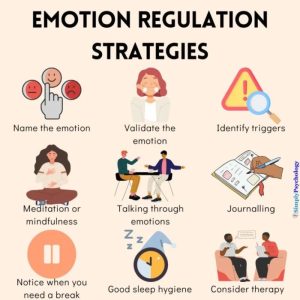
Coping Mechanisms for Managing Emotions and Stress
– Practice mindfulness and meditation to stay present and reduce anxiety.
– Engage in regular physical activity to release endorphins and boost mood.
– Talk to a therapist or counselor to work through emotions and develop coping strategies.
– Maintain a strong support system of friends and family to lean on in times of need.
Link Between Emotional Health and Physical Health Outcomes
Emotional health and physical health are closely intertwined, with one impacting the other in a bidirectional relationship. Positive emotional well-being can lead to better physical health outcomes, while poor emotional health can exacerbate existing health conditions. It is essential to address emotional health as part of a holistic approach to overall wellness.
Health Motivation
Maintaining a healthy lifestyle can be challenging, but staying motivated is key to long-term success. Motivation plays a crucial role in our ability to make positive health behavior changes. Whether it’s exercising regularly, eating nutritious foods, or prioritizing mental well-being, finding the drive to stay on track is essential.
Strategies for Staying Motivated, Health education and fitness promotion
- Set specific and achievable goals: Break down larger health goals into smaller, manageable steps to track progress and stay motivated.
- Find a support system: Surround yourself with friends, family, or a health coach who can provide encouragement and accountability.
- Reward yourself: Celebrate milestones along the way to reinforce positive behaviors and keep motivation high.
- Stay educated: Continuously learn about the benefits of a healthy lifestyle to stay inspired and informed.
Intrinsic and Extrinsic Motivation in Health Behavior Change
- Intrinsic motivation: This type of motivation comes from within, driven by personal values, interests, and enjoyment. Examples include feeling energized after a workout or cooking a nutritious meal for yourself.
- Extrinsic motivation: External factors, such as rewards, recognition, or competition, drive extrinsic motivation. For instance, joining a fitness challenge at work or aiming to win a prize for achieving a health goal.
Effective Ways to Boost Health Motivation
- Visualize success: Imagine how achieving your health goals will improve your overall well-being and quality of life.
- Create a routine: Establish a consistent schedule for exercise, meal planning, and self-care to build healthy habits.
- Practice self-care: Prioritize rest, relaxation, and activities that bring you joy to reduce stress and boost motivation.
- Track progress: Keep a journal, use apps, or take measurements to monitor your advancements and stay motivated to continue.
Physical Activities
Regular physical activity is essential for maintaining both physical and mental health. It can help improve cardiovascular health, increase muscle strength, enhance flexibility, and boost mood and overall well-being. Engaging in physical activities also reduces the risk of chronic diseases such as obesity, diabetes, and heart disease.
Types of Physical Activities and Their Impact
- Cardiovascular exercises like running, swimming, and cycling can improve heart health and endurance levels.
- Strength training, such as weight lifting or bodyweight exercises, helps build muscle mass and increase metabolism.
- Flexibility exercises like yoga or stretching can improve joint mobility and prevent injuries.
- High-intensity interval training (HIIT) can boost both cardiovascular fitness and calorie burn in a short amount of time.
It’s important to choose a variety of physical activities to target different aspects of fitness and prevent boredom.
Incorporating Physical Activity into Daily Routines
- Take the stairs instead of the elevator whenever possible.
- Go for a brisk walk during your lunch break or after dinner.
- Join a group fitness class or sports team to make exercise more social and enjoyable.
- Set aside time each day for a workout, even if it’s just 30 minutes of moderate activity.
Health Awareness

Raising awareness about health issues in communities is crucial for promoting overall well-being and preventing diseases. By educating individuals about the importance of healthy habits and regular check-ups, communities can work together to create a healthier environment for everyone.
Significance of Health Awareness
- Empowers individuals to take control of their health and make informed decisions.
- Encourages early detection and treatment of diseases, leading to better health outcomes.
- Promotes a culture of prevention rather than just treatment of illnesses.
- Fosters a sense of community support and solidarity in tackling health challenges.
Successful Health Awareness Campaigns
- The “Movember” campaign that raises awareness about men’s health issues, particularly prostate cancer and mental health.
- The “Pink October” campaign for breast cancer awareness and fundraising for research and support programs.
- The “Stoptober” campaign to encourage people to quit smoking and improve their lung health.
Role of Media and Technology
- Social media platforms play a significant role in reaching a wide audience and spreading health messages effectively.
- Health apps and wearable devices help individuals track their fitness goals, monitor their health metrics, and stay motivated.
- Telemedicine services provide access to healthcare professionals and information remotely, increasing health awareness and education.
Preventive Medicine
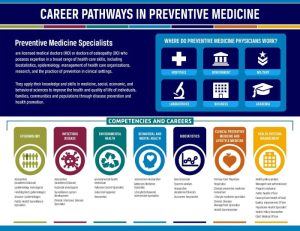
Preventive medicine plays a crucial role in reducing the burden of disease by focusing on early detection and prevention rather than just treatment. By taking proactive steps to maintain health and prevent illnesses, individuals can lead healthier lives and reduce healthcare costs in the long run.
Importance of Preventive Health Measures
- Regular health check-ups and screenings can help detect potential health issues early on, allowing for timely intervention and treatment.
- Immunizations are essential in preventing infectious diseases and protecting individuals and communities from outbreaks.
- Healthy lifestyle choices, such as maintaining a balanced diet, engaging in regular physical activity, and managing stress, can significantly reduce the risk of chronic diseases.
- Avoiding tobacco and excessive alcohol consumption can lower the chances of developing various health conditions, including heart disease, cancer, and respiratory disorders.
Cost-Effectiveness of Preventive Medicine
Preventive healthcare measures are often more cost-effective than treating diseases in their advanced stages.
- Preventive services, such as vaccinations and screenings, are relatively inexpensive compared to the high costs associated with treating chronic conditions and complications.
- Early detection and intervention can prevent the progression of diseases, reducing the need for costly medical procedures and hospitalizations.
- By investing in preventive medicine, healthcare systems can save money in the long term and improve overall population health outcomes.
Nutritional Counseling
Nutritional counseling plays a crucial role in promoting healthy eating habits by providing individuals with personalized guidance and support to improve their dietary choices. This form of counseling focuses on assessing an individual’s current diet, identifying areas for improvement, and creating a customized plan to help them achieve their nutritional goals.
Benefits of Seeking Nutritional Counseling
- Access to Expert Advice: Registered dietitians are trained professionals who can provide evidence-based recommendations tailored to individual needs.
- Behavioral Change Support: Nutritional counselors can help individuals make sustainable changes by addressing underlying behaviors and habits.
- Health Condition Management: Counseling can be beneficial for managing conditions like diabetes, heart disease, and obesity through diet modification.
- Accountability and Motivation: Regular sessions with a counselor can help individuals stay accountable and motivated to make positive dietary changes.
Tips for Finding a Qualified Nutritional Counselor
- Look for a registered dietitian: Ensure that the counselor is a registered dietitian with the necessary credentials and expertise.
- Check for Experience: Consider counselors with experience in dealing with your specific dietary needs or health conditions.
- Seek Recommendations: Ask for referrals from healthcare providers, friends, or family members who have had positive experiences with nutritional counseling.
- Verify Credentials: Confirm that the counselor is licensed and accredited by reputable organizations or associations in the field of nutrition.
Healthy Mind
Maintaining a healthy mind is crucial for overall well-being, as it plays a significant role in our mental, emotional, and cognitive functions. A healthy mind allows us to effectively cope with stress, make sound decisions, and maintain positive relationships with others.
Mindfulness Practices
Practicing mindfulness involves being fully present in the moment, without judgment. This can help reduce stress, anxiety, and improve overall mental health. Techniques such as deep breathing, meditation, and yoga can promote mindfulness and foster a healthy mind.
Mental Health and Cognitive Function
There is a strong connection between mental health and cognitive function. Poor mental health can impair cognitive abilities such as memory, concentration, and decision-making. Engaging in activities that promote mental well-being, such as socializing, learning new skills, and seeking professional help when needed, can positively impact cognitive function.
FAQ
How can I incorporate healthy snacks into my daily diet?
To include healthy snacks in your diet, opt for options like fruits, nuts, yogurt, or veggies with hummus. These choices are nutritious and convenient for snacking.
What are some effective strategies for staying motivated to maintain a healthy lifestyle?
Setting specific goals, finding a workout buddy, or rewarding yourself for achievements can help you stay motivated on your health journey.
Why is preventive medicine important for overall health?
Preventive medicine focuses on preventing diseases before they occur, reducing the burden on healthcare systems and improving individual health outcomes.


More Stories
Online Nutritional Counseling Services: Your Path to Healthier Living
Preventive medicine and community health programs: Enhancing Wellness Together
Health motivation and long-term success: Achieving Your Goals for a Healthier Future