Healthy Snacks
Eating healthy snacks is essential for maintaining energy levels throughout the day. It’s important to choose nutritious options and practice portion control to support overall health and well-being.
Nutritious Snack Examples
- Raw nuts and seeds: Almonds, walnuts, chia seeds.
- Fresh fruits: Berries, apples, bananas.
- Vegetable sticks with hummus or guacamole.
- Greek yogurt with a sprinkle of granola.
- Rice cakes with avocado or nut butter.
Importance of Portion Control
Health motivation and long-term success – When consuming snacks, it’s crucial to be mindful of portion sizes to avoid overeating. Portion control helps maintain a healthy weight and prevents unnecessary calorie intake.
Quick and Healthy Snack Options
Preparing healthy snacks at home doesn’t have to be time-consuming. Some quick options include:
- Sliced cucumbers with a squeeze of lemon juice and a sprinkle of sea salt.
- A boiled egg with a side of cherry tomatoes.
- A small handful of mixed nuts and dried fruits.
- A smoothie made with spinach, banana, and almond milk.
- A piece of whole-grain toast with avocado and cherry tomatoes.
Wellness Programs
Wellness programs are designed to promote healthy behaviors and improve overall well-being. These programs typically include a variety of components to address different aspects of health.
Components of a Comprehensive Wellness Program
- Health assessments to identify risk factors and set goals
- Physical activity challenges or incentives to encourage exercise
- Nutrition education and healthy eating initiatives
- Mental health resources such as counseling or stress management workshops
- Smoking cessation programs for those looking to quit tobacco use
Benefits of Participating in Workplace Wellness Programs
- Improved employee morale and job satisfaction
- Reduced absenteeism and healthcare costs for the employer
- Increased productivity and engagement in the workplace
- Enhanced overall quality of life for participants
Tips to Stay Motivated in Wellness Activities
- Set specific, achievable goals to track progress
- Find a workout buddy or join group fitness classes for social support
- Reward yourself for reaching milestones along the way
- Mix up your routine to prevent boredom and stay engaged
Physical Therapy
Physical therapy plays a crucial role in helping individuals recover from injuries, manage chronic conditions, and prevent further physical limitations. By focusing on improving mobility, strength, and function, physical therapists work with patients to enhance their overall quality of life.
Role in Rehabilitation and Injury Prevention
Physical therapy is essential in the rehabilitation process as it helps individuals regain movement and function after an injury or surgery. Therapists utilize various techniques such as exercises, manual therapy, and modalities to promote healing and restore mobility. Additionally, physical therapy plays a key role in preventing injuries by identifying and addressing movement patterns or muscle imbalances that could lead to future issues.
Common Misconceptions
– Physical therapy is only for athletes or post-surgery patients.
– It’s painful and involves only passive treatments.
– You need a doctor’s referral to see a physical therapist.
Success Stories
– Sarah, a runner, was able to overcome chronic knee pain and improve her performance through a personalized physical therapy program.
– John, who suffered a stroke, regained his strength and independence with the help of physical therapy sessions tailored to his specific needs.
– Maria, a busy professional with neck and back pain, found relief and learned proper posture techniques through regular physical therapy sessions.
Health Coaching
Health coaching is a personalized approach to help individuals achieve their health goals by providing guidance, support, and accountability throughout their wellness journey.
Qualities of a Good Health Coach
- Empathy: A good health coach should be able to understand and empathize with the client’s challenges and struggles.
- Communication Skills: Effective communication is key in building a strong coach-client relationship and ensuring clarity in goal setting.
- Knowledgeable: A good health coach should have a solid understanding of nutrition, fitness, and behavior change techniques.
- Supportive: Providing encouragement, motivation, and positive reinforcement to help clients stay on track.
- Accountability: Holding clients accountable for their actions and progress towards their health goals.
Finding the Right Health Coach
When looking for a health coach for personalized guidance, consider the following tips:
- Qualifications: Look for a coach with relevant certifications and training in health coaching.
- Experience: Choose a coach with experience working with clients similar to your goals and needs.
- Compatibility: Ensure that you have a good rapport with the coach and feel comfortable sharing personal information.
- Goal Alignment: Make sure the coach’s approach aligns with your health goals and values.
- Feedback: Seek recommendations or read reviews from past clients to gauge the coach’s effectiveness.
Medical Advancements
Medical advancements play a crucial role in improving healthcare outcomes and enhancing long-term health management. These innovations have revolutionized patient care, offering more effective treatments and solutions for various medical conditions.
Advances in Medical Technology
- Robotic Surgery: Robotic-assisted surgery allows for more precise and minimally invasive procedures, reducing recovery time and complications.
- Telemedicine: The use of telecommunication technology enables healthcare professionals to provide remote consultations and monitoring, increasing access to care.
- Precision Medicine: Tailoring treatment plans based on an individual’s genetic makeup and specific characteristics leads to more personalized and effective therapies.
Impact on Long-term Health Management
- Early Detection: Advanced diagnostic tools help in detecting diseases at earlier stages, improving prognosis and treatment outcomes.
- Chronic Disease Management: Innovative treatments and monitoring devices assist in managing chronic conditions more effectively, leading to better quality of life for patients.
- Regenerative Medicine: Breakthroughs in regenerative therapies offer new possibilities for tissue repair and regeneration, potentially transforming the treatment of degenerative diseases.
Examples of Innovative Medical Treatments
- Immunotherapy: Immunotherapy utilizes the body’s immune system to fight cancer cells, offering promising results for patients with certain types of cancer.
- Gene Editing: CRISPR technology allows for precise modification of genes, opening up new avenues for treating genetic disorders and hereditary conditions.
- Artificial Intelligence in Healthcare: AI applications help in analyzing vast amounts of medical data, leading to more accurate diagnoses and personalized treatment plans.
Fitness Goals
Setting realistic fitness goals is crucial for long-term success in your health journey. By establishing achievable objectives, you can stay motivated and track your progress effectively. It’s important to create goals that are specific, measurable, attainable, relevant, and time-bound (SMART).
Importance of Setting Realistic Fitness Goals
When setting fitness goals, it’s essential to focus on what you can realistically achieve. Unrealistic goals can lead to frustration and demotivation. By setting achievable milestones, you can celebrate small victories along the way, keeping you motivated to continue your fitness journey.
Tips on Tracking Progress Towards Fitness Goals
- Keep a workout journal to record your exercises, sets, reps, and progress over time.
- Use fitness apps or wearable devices to track your daily activity levels, heart rate, and calories burned.
- Take regular measurements of your body, such as weight, body fat percentage, and waist circumference, to monitor changes.
- Set regular checkpoints to assess your progress and make adjustments to your fitness routine as needed.
Benefits of Incorporating Variety into Fitness Routines
Incorporating variety into your fitness routines is essential to prevent plateaus and keep your workouts engaging. By trying different exercises, classes, or activities, you can target different muscle groups, improve overall fitness, and avoid boredom. Mixing up your routine also helps prevent overuse injuries and allows your body to continue progressing towards your fitness goals.
Balanced Nutrition
When it comes to overall health and well-being, balanced nutrition plays a crucial role in providing the body with essential nutrients to function optimally. A balanced diet ensures that you are getting the right amount of vitamins, minerals, carbohydrates, proteins, and fats that your body needs to thrive.
Principles of Balanced Nutrition
Creating a balanced meal plan involves incorporating a variety of foods from different food groups to ensure you are meeting all your nutritional needs. The key principles of balanced nutrition include:
- Include a variety of fruits and vegetables in your diet to get a wide range of vitamins and minerals.
- Choose whole grains over refined grains for added fiber and nutrients.
- Incorporate lean proteins like poultry, fish, beans, and nuts for muscle repair and growth.
- Limit saturated fats and opt for healthy fats like those found in avocados, nuts, and olive oil.
- Stay hydrated by drinking plenty of water throughout the day.
Creating a Balanced Meal Plan
When planning your meals, aim to include a mix of carbohydrates, proteins, and fats in each meal to keep you satisfied and energized. A balanced meal plan should consist of:
- A serving of lean protein such as chicken, tofu, or lentils
- Whole grains like quinoa, brown rice, or whole wheat bread
- Healthy fats from sources like avocado, olive oil, or nuts
- Plenty of fruits and vegetables for added vitamins and minerals
- Avoiding sugary drinks and opting for water or herbal tea
Balanced Nutrition and Energy Levels
Consuming a balanced diet not only supports overall health but also helps maintain sustained energy levels throughout the day. By incorporating a mix of complex carbohydrates, proteins, and healthy fats in your meals, you can avoid energy crashes and keep your energy levels stable. This ensures that you feel more alert, focused, and ready to tackle your daily tasks without feeling fatigued.
Mental Strength
Having mental resilience is crucial in achieving health goals as it helps individuals stay focused, motivated, and persistent in their journey towards better well-being. Mental strength plays a significant role in overcoming obstacles, setbacks, and challenges that may arise along the way. It enables individuals to maintain a positive mindset, cope with stress effectively, and bounce back from failures or setbacks.
Strategies for Improving Mental Strength
- Practice mindfulness and meditation to enhance self-awareness and emotional regulation.
- Set realistic goals and break them down into smaller, manageable tasks to build confidence and momentum.
- Cultivate a strong support system of friends, family, or a mentor who can provide encouragement and guidance.
- Acknowledge and challenge negative thoughts or self-doubt through positive affirmations and reframing techniques.
- Prioritize self-care activities such as exercise, adequate sleep, and healthy nutrition to support overall mental well-being.
Connection Between Mental Well-being and Physical Health
Maintaining good mental health is closely linked to physical health as they both impact each other in a bidirectional relationship. Chronic stress, anxiety, or depression can weaken the immune system, increase inflammation, and contribute to various health conditions such as heart disease, obesity, and autoimmune disorders. On the other hand, engaging in regular physical activity, practicing relaxation techniques, and seeking social support can improve mental health outcomes and overall quality of life.
Yoga Practice
Yoga is a fantastic way to improve both physical and mental well-being. It combines breathing exercises, meditation, and a series of poses to promote relaxation, flexibility, and strength.
Benefits of Yoga
- Increases flexibility and balance
- Strengthens muscles and improves posture
- Reduces stress and anxiety levels
- Enhances focus and concentration
Beginner-Friendly Yoga Poses
- Mountain Pose (Tadasana): Stand tall with feet together, arms by your sides, and focus on your breath.
- Child’s Pose (Balasana): Kneel on the floor, sit back on your heels, and stretch your arms forward with your forehead resting on the mat.
- Downward-Facing Dog (Adho Mukha Svanasana): Start on your hands and knees, lift your hips up and back, forming an inverted V shape.
Mental Health Benefits
- Reduces symptoms of depression and anxiety
- Promotes a sense of calm and relaxation
- Improves sleep quality and overall mood
- Enhances self-awareness and mindfulness
Health Education
Health education plays a crucial role in promoting overall well-being by empowering individuals to make informed decisions about their health. It involves providing knowledge and skills to enhance health literacy and encourage healthy behaviors.
The Importance of Continuous Health Education
Continuous health education helps individuals stay updated on the latest health information, trends, and advancements. It enables them to understand the importance of preventive measures, early detection of diseases, and the significance of maintaining a healthy lifestyle. By staying informed through ongoing education, individuals can take proactive steps to improve their health and well-being.
- Regular health education sessions can help individuals learn about new medical treatments, technologies, and interventions that can benefit their health.
- Health education also promotes disease prevention and management by raising awareness about risk factors, symptoms, and treatment options for various health conditions.
- Empowering individuals with knowledge about healthy nutrition, exercise, stress management, and mental health can lead to positive behavior changes and improved overall health outcomes.
Role of Health Literacy in Informed Decision-Making
Health literacy is essential for individuals to understand health information, navigate the healthcare system, and make informed decisions about their health. It involves the ability to access, comprehend, evaluate, and apply health information effectively. By improving health literacy, individuals can advocate for their health needs, communicate with healthcare providers, and take an active role in managing their well-being.
- Individuals with higher health literacy are more likely to engage in preventive health practices, seek appropriate medical care, and adhere to treatment plans.
- Health literacy empowers individuals to critically evaluate health information from various sources, including healthcare providers, websites, and media, to make informed choices about their health.
- By promoting health literacy through education, individuals can overcome barriers to accessing healthcare services, understand complex medical concepts, and participate in shared decision-making with healthcare providers.
Resources for Accessing Reliable Health Information
Accessing reliable health information is essential for making informed decisions about personal health. There are various reputable sources where individuals can find accurate and up-to-date health information to stay informed and educated about their well-being.
Some resources for accessing reliable health information include government health websites, reputable medical organizations, academic institutions, and healthcare providers.
- Government health websites such as the Centers for Disease Control and Prevention (CDC) and the National Institutes of Health (NIH) provide evidence-based information on a wide range of health topics.
- Reputable medical organizations like the American Heart Association, American Cancer Society, and World Health Organization offer reliable health information, guidelines, and resources for various health concerns.
- Academic institutions and healthcare providers can also be trusted sources of health information, offering expert advice, research findings, and educational materials to promote health literacy and well-being.
Weight Management
Maintaining a healthy weight is crucial for overall well-being and reducing the risk of chronic diseases. Sustainable weight management involves making lifestyle changes that are realistic and maintainable in the long run. Crash diets or extreme measures may result in short-term weight loss, but they are often not sustainable and can have negative impacts on your health in the long term.
Impact of Yo-Yo Dieting
Yo-yo dieting, also known as weight cycling, refers to the pattern of losing weight through strict diets and then gaining it back once the diet is over. This cycle can have detrimental effects on your metabolism, making it harder to maintain a healthy weight over time. It can also lead to a loss of muscle mass and increased fat storage, making it more challenging to achieve long-term weight management goals.
Role of Physical Activity
Physical activity plays a crucial role in maintaining a healthy weight and overall health. Regular exercise helps to burn calories, build muscle mass, and boost metabolism, making it easier to manage your weight. Incorporating a combination of cardiovascular exercise, strength training, and flexibility exercises into your routine can help you achieve and maintain a healthy weight. Remember, consistency is key when it comes to physical activity and weight management.
Health Checkups

Regular health checkups play a crucial role in preventive care by allowing early detection of potential health issues, leading to timely intervention and treatment.
Recommended Frequency of Health Screenings
- For adults aged 18-40: Annual checkups are generally recommended to monitor overall health and catch any potential issues early.
- For adults aged 40-64: Biennial checkups may be suitable, with more frequent screenings for specific conditions based on individual risk factors.
- For adults 65 and older: Annual checkups are typically advised, given the increased risk of age-related health concerns.
Tips for Overcoming Common Barriers
- Set reminders: Use calendars or mobile apps to schedule and keep track of appointments.
- Find a healthcare provider you trust: Building a good relationship with your doctor can make the process more comfortable and encourage regular checkups.
- Address financial concerns: Look into insurance coverage or low-cost options to make healthcare more accessible.
Skin Health
Maintaining healthy skin is crucial for overall well-being. Our skin is the largest organ in our body and plays a vital role in protecting us from external factors. Establishing a skincare routine and taking steps to protect our skin can help prevent various skin conditions and premature aging.
Importance of Skincare Routines
Having a consistent skincare routine can help keep your skin healthy and youthful. Cleansing, moisturizing, and applying sunscreen are essential steps in a skincare regimen. Cleansing helps remove dirt, oil, and impurities from the skin, while moisturizing helps hydrate and nourish the skin. Sunscreen protects the skin from harmful UV rays, reducing the risk of sun damage and skin cancer.
Tips for Protecting the Skin
- Avoid prolonged exposure to the sun, especially during peak hours.
- Use sunscreen with at least SPF 30 and reapply every two hours when outdoors.
- Stay hydrated by drinking plenty of water to keep your skin hydrated from within.
- Eat a healthy diet rich in fruits, vegetables, and antioxidants to promote skin health.
- Avoid smoking and limit alcohol consumption, as they can contribute to premature aging of the skin.
Connection between Skin Health and Overall Well-being
Our skin health is closely linked to our overall well-being. Skin conditions can impact our mental health and self-esteem. Taking care of our skin not only improves its appearance but also boosts our confidence and quality of life. Additionally, skin health reflects our internal health, and certain skin conditions may indicate underlying health issues that need to be addressed.
Emotional Health
Emotional well-being plays a significant role in determining our overall physical health outcomes. The way we manage stress, cope with challenges, and build emotional resilience can have a direct impact on our immune system, cardiovascular health, and even longevity.
Impact of Emotional Well-being on Physical Health
Maintaining a positive emotional state can boost our immune system, reduce inflammation in the body, and lower the risk of chronic diseases such as heart disease and diabetes. On the other hand, chronic stress and negative emotions can weaken our immune response, increase blood pressure, and contribute to the development of various health issues.
- Engage in regular physical activity to release endorphins and reduce stress hormones.
- Practice relaxation techniques such as deep breathing, meditation, or yoga to calm the mind and body.
- Cultivate strong social connections and seek support from friends, family, or a therapist when needed.
- Express your emotions through creative outlets like writing, art, or music to process feelings and promote emotional well-being.
Importance of Seeking Professional Help
It’s essential to recognize when emotional challenges become overwhelming and interfere with daily life. Seeking help from a mental health professional, such as a therapist or counselor, can provide valuable support, guidance, and tools to address underlying issues and improve emotional well-being.
Remember, taking care of your emotional health is just as important as taking care of your physical health. Don’t hesitate to reach out for help when needed.
Health Motivation
Staying motivated to prioritize health and wellness goals can be a challenging but crucial aspect of maintaining a healthy lifestyle. Here are some strategies to help you stay on track and motivated:
Intrinsic vs. Extrinsic Motivation
Understanding the difference between intrinsic and extrinsic motivation can play a significant role in sustaining healthy habits. Intrinsic motivation comes from within, driven by personal satisfaction, enjoyment, or a sense of accomplishment. On the other hand, extrinsic motivation involves external rewards or recognition, such as praise, prizes, or competition. While both types of motivation can be effective, focusing on intrinsic motivation can lead to more sustainable and long-term success in maintaining healthy behaviors.
Celebrating Milestones and Achievements
One effective way to stay motivated on your health journey is to celebrate milestones and achievements along the way. Whether it’s reaching a fitness goal, sticking to a balanced nutrition plan, or improving your mental strength, taking the time to acknowledge and celebrate your progress can help boost your motivation and morale. By recognizing and rewarding your accomplishments, you can stay motivated to continue making positive changes for your health and well-being.
Physical Activities

Regular physical activity is essential for maintaining overall health and well-being. It not only helps in improving physical fitness but also has numerous mental health benefits. Incorporating different types of physical activities into your routine can help you stay active and energized throughout the day.
Exploring Different Types of Physical Activities
- Cardiovascular exercises like running, cycling, or swimming help in improving heart health and increasing endurance.
- Strength training activities such as weightlifting or bodyweight exercises help in building muscle mass and improving overall strength.
- Flexibility exercises like yoga or Pilates enhance mobility, reduce the risk of injuries, and improve posture.
- Mind-body exercises like Tai Chi or Qi Gong promote relaxation, reduce stress levels, and improve mental clarity.
Tips for Incorporating Movement into Daily Routines
- Take short walks during breaks at work or at home to increase overall daily steps.
- Use stairs instead of elevators whenever possible to add extra movement to your day.
- Join group fitness classes or sports activities to make exercise more enjoyable and social.
- Set reminders on your phone or calendar to schedule regular workout sessions and prioritize physical activity.
The Importance of Rest and Recovery, Health motivation and long-term success
Rest and recovery are crucial components of any fitness routine. It is essential to allow your body time to repair and rebuild after physical activities to prevent burnout and reduce the risk of injuries. Adequate sleep, hydration, and proper nutrition play a vital role in supporting your body’s recovery process.
Health Awareness
Raising awareness about prevalent health issues is crucial in promoting overall well-being and preventing diseases. By educating individuals about common health concerns and encouraging healthy habits, communities can work towards a healthier future for everyone.
Initiatives for Promoting Health Awareness
- Community Health Fairs: These events provide access to free health screenings, educational resources, and information on local healthcare services.
- Health Education Programs: Schools, workplaces, and community centers can offer workshops and seminars on topics such as nutrition, exercise, and mental health.
- Public Health Campaigns: Awareness campaigns through media channels, social media, and public events can reach a wide audience and encourage behavior change.
Impact of Health Literacy on Health Awareness
Health literacy plays a significant role in fostering a culture of health awareness. Individuals with higher health literacy are more likely to understand health information, make informed decisions about their well-being, and engage in preventive care measures. By improving health literacy levels in communities, we can empower individuals to take control of their health and well-being.
Preventive Medicine
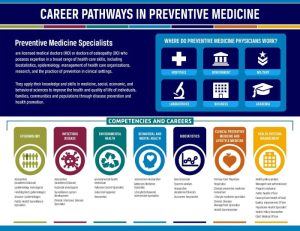
Preventive medicine plays a crucial role in maintaining overall health and well-being by focusing on proactive measures to prevent diseases before they occur. By identifying and addressing risk factors early on, individuals can significantly reduce the likelihood of developing serious health conditions.
Benefits of Preventive Screenings and Vaccinations
- Regular screenings such as blood pressure checks, cholesterol tests, mammograms, and colonoscopies can help detect health issues at an early stage when they are more treatable.
- Vaccinations are essential in preventing infectious diseases such as flu, measles, and hepatitis, protecting both individuals and the community from outbreaks.
- Preventive measures can lead to early intervention, reducing healthcare costs associated with treating advanced diseases and improving overall quality of life.
Examples of Preventive Measures
- Eating a balanced diet rich in fruits, vegetables, and whole grains to maintain a healthy weight and reduce the risk of chronic conditions like heart disease and diabetes.
- Engaging in regular physical activity to strengthen the immune system, improve cardiovascular health, and enhance overall well-being.
- Quitting smoking and limiting alcohol consumption to lower the risk of cancer, respiratory diseases, and liver damage.
- Practicing stress management techniques such as meditation, yoga, or deep breathing exercises to reduce the negative impact of stress on physical and mental health.
Nutritional Counseling: Health Motivation And Long-term Success
Nutritional counseling plays a crucial role in personalized health and wellness plans by providing tailored guidance on dietary habits and nutritional needs. This form of counseling takes into account an individual’s specific health goals, lifestyle, and medical history to create a customized nutrition plan.
Finding a Qualified Nutrition Counselor
- Look for registered dietitians or nutritionists with proper certifications and credentials.
- Seek recommendations from healthcare providers or trusted sources.
- Consider the counselor’s experience in dealing with your specific health concerns or dietary preferences.
- Ensure the counselor takes a holistic approach, focusing on long-term lifestyle changes rather than quick fixes.
Long-Term Benefits of Nutritional Counseling
Nutritional counseling offers a range of long-term benefits in achieving health goals, such as:
Improved overall health and well-being
- Enhanced energy levels and better management of chronic conditions.
- Weight management and support for sustainable lifestyle changes.
- Reduced risk of developing nutrition-related diseases.
- Better understanding of nutritional needs and healthy eating habits.
Healthy Mind
Maintaining a healthy mind is crucial for overall well-being. Our mental health is closely connected to our physical health, and it’s essential to prioritize self-care practices to promote a positive mindset.
Mindfulness Techniques
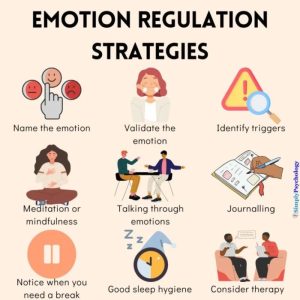
- Practice deep breathing exercises to calm the mind and reduce stress.
- Engage in meditation to improve focus and promote mental clarity.
- Try yoga to enhance mind-body connection and increase mindfulness.
- Practice gratitude by keeping a journal of things you are thankful for each day.
Self-Care Practices
- Set boundaries to protect your mental and emotional well-being.
- Take time for yourself to relax and recharge, whether it’s through hobbies, reading, or spending time in nature.
- Get enough sleep to support cognitive function and emotional stability.
- Seek support from friends, family, or a therapist when needed to address any mental health concerns.
Question Bank
How can I stay motivated on my health journey?
Staying motivated involves setting realistic goals, tracking your progress, and celebrating your achievements along the way. Surrounding yourself with a supportive community or hiring a health coach can also help keep you inspired.
What is the role of intrinsic motivation in sustaining healthy habits?
Intrinsic motivation comes from within and drives you to engage in activities that you find personally rewarding. It plays a significant role in sustaining healthy habits over the long term as it fosters a sense of purpose and enjoyment in your health journey.
How can I prevent burnout while pursuing my fitness goals?
To prevent burnout, it’s essential to incorporate rest and recovery periods into your fitness routine. Listen to your body, vary your workouts to prevent monotony, and prioritize self-care to ensure your physical and mental well-being.


More Stories
Online Nutritional Counseling Services: Your Path to Healthier Living
Preventive medicine and community health programs: Enhancing Wellness Together
Health Checkups and Lifestyle Counseling: Importance and Benefits