Health Checkups and Lifestyle Counseling

Regular health checkups and lifestyle counseling play essential roles in maintaining overall well-being and promoting healthy habits. Health checkups help in early detection of potential health issues, allowing for timely intervention and prevention of complications. On the other hand, lifestyle counseling focuses on educating individuals about making healthy choices and adopting positive behaviors to improve their quality of life.
Benefits of Preventive Health Screenings vs. Reactive Medical Care
Regular preventive health screenings, such as blood pressure checks, cholesterol tests, and cancer screenings, can help identify risk factors and diseases in their early stages. This proactive approach enables healthcare providers to initiate early treatment and prevent the progression of diseases. In contrast, reactive medical care typically involves addressing health issues after they have already developed, often leading to more complex and costly treatments.
- Preventive health screenings can detect conditions like high blood pressure, diabetes, and certain cancers before symptoms appear, increasing the chances of successful treatment.
- Reactive medical care focuses on managing symptoms and complications after a disease has progressed, leading to a higher burden on the healthcare system and reduced quality of life for individuals.
- By undergoing regular health checkups and following preventive measures, individuals can take control of their health and reduce the risk of developing serious illnesses.
Lifestyle Changes Recommended during Counseling Sessions
During lifestyle counseling sessions, healthcare providers may recommend various changes to help individuals lead healthier lives. These recommendations can include:
- Adopting a balanced diet rich in fruits, vegetables, whole grains, and lean proteins to maintain a healthy weight and reduce the risk of chronic diseases.
- Incorporating regular physical activity into daily routines to improve cardiovascular health, muscle strength, and overall well-being.
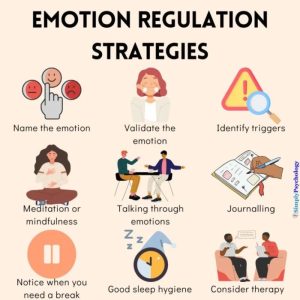
- Managing stress through relaxation techniques, mindfulness practices, or counseling to promote mental health and emotional well-being.
- Avoiding harmful habits such as smoking, excessive alcohol consumption, and substance abuse to protect overall health and longevity.
Healthy Snacks
Health checkups and lifestyle counseling – Snacking can play a crucial role in supporting a healthy lifestyle by providing necessary nutrients and energy throughout the day. It is important to choose nutritious snack options to maintain overall health and well-being.
Nutritious Snack Options:
- Raw vegetables with hummus
- Fruit salad with Greek yogurt
- Whole grain crackers with low-fat cheese
- Mixed nuts and seeds
- Rice cakes with almond butter
Impact of Unhealthy Snacking:
Unhealthy snacking habits, such as consuming sugary snacks or processed foods high in saturated fats, can lead to weight gain, increased risk of chronic diseases, and low energy levels.
Recipes for Healthy Snacks:
- Homemade trail mix: Combine nuts, seeds, and dried fruits for a nutrient-packed snack.
- Baked kale chips: Toss kale leaves with olive oil and seasonings, then bake until crispy.
- Greek yogurt parfait: Layer Greek yogurt with berries and granola for a satisfying treat.
Effect on Energy Levels:
Choosing healthy snacks can help maintain stable blood sugar levels and provide sustained energy throughout the day. Avoiding sugary snacks can prevent energy crashes and promote better focus and productivity.
Wellness Programs
Wellness programs are designed to promote overall health and well-being by incorporating various initiatives and activities that focus on physical, mental, and emotional wellness.
Components of a Comprehensive Wellness Program
- Regular health check-ups and screenings to monitor overall health status.
- Access to fitness classes and facilities to encourage physical activity.
- Nutritional counseling and healthy eating initiatives to promote proper nutrition.
- Mental health support through counseling services and stress management programs.
- Work-life balance initiatives such as flexible work schedules and mindfulness workshops.
Examples of Wellness Initiatives in the Workplace
- Wellness challenges to encourage healthy habits such as walking or drinking water.
- On-site fitness classes or gym memberships to promote physical activity.
- Healthy snack options in the workplace to support proper nutrition.
- Mental health workshops or counseling sessions to address stress and anxiety.
- Employee assistance programs for additional support and resources.
Benefits of Participating in Wellness Programs
- Improved physical health through regular exercise and healthy eating habits.
- Reduced stress levels and improved mental well-being through mindfulness and counseling.
- Increased productivity and focus at work due to better overall health.
- Enhanced work-life balance leading to greater job satisfaction and overall happiness.
- Lower healthcare costs and reduced absenteeism due to fewer health-related issues.
How Wellness Programs Promote a Positive Work-Life Balance
- Offering flexible work schedules to accommodate personal life responsibilities.
- Providing resources and support for managing stress and maintaining mental well-being.
- Promoting a culture of health and wellness that values both work and personal life equally.
- Encouraging healthy habits and self-care practices to prevent burnout and exhaustion.
- Creating a supportive and inclusive environment that prioritizes employee well-being.
Physical Therapy
Physical therapy plays a crucial role in rehabilitation and injury prevention by utilizing targeted exercises and treatments to restore function, improve mobility, and alleviate pain. It is an essential component of a comprehensive healthcare plan for individuals recovering from injuries or managing chronic conditions.
Common Conditions Benefitting from Physical Therapy
- Orthopedic injuries such as fractures, sprains, and strains
- Neurological conditions like stroke, spinal cord injuries, and Parkinson’s disease
- Chronic pain conditions such as arthritis and fibromyalgia
- Sports-related injuries and overuse injuries
Exercises for Physical Therapy Routine
- Stretching exercises to improve flexibility and range of motion
- Strength training exercises to build muscle and support joints
- Balance and coordination exercises to prevent falls and improve stability
- Aerobic exercises to enhance cardiovascular health and overall fitness
Importance of Compliance and Consistency
Compliance and consistency are key factors in the success of physical therapy treatments. Following the prescribed exercises and treatment plan as directed by a physical therapist helps maximize the benefits of therapy and accelerate the recovery process. Consistency in attending therapy sessions and performing home exercises is essential for achieving optimal outcomes and preventing setbacks.
Health Coaching
Health coaching plays a crucial role in guiding individuals towards making healthier lifestyle choices. Unlike traditional medical advice, health coaching focuses on empowering individuals to take control of their health by providing personalized support and guidance.
Role of a Health Coach
A health coach works with individuals to set realistic health goals, create action plans, and provide ongoing support and accountability. They help clients make sustainable changes in areas such as nutrition, exercise, stress management, and overall wellness.
Difference from Traditional Medical Advice
- Health coaching focuses on the whole person, taking into account their unique circumstances and preferences.
- Unlike traditional medical advice, health coaching emphasizes self-discovery, motivation, and behavior change techniques.
- Health coaches provide ongoing support and accountability, helping individuals stay motivated and on track to reach their health goals.
Success Stories
“After working with a health coach, I was able to lose weight, improve my energy levels, and make healthier choices every day. I feel more confident and in control of my health.” – Sarah
“Health coaching helped me manage my stress, improve my sleep, and develop a sustainable exercise routine. I now feel more balanced and focused in all areas of my life.” – John
Empowerment through Health Coaching
Health coaching empowers individuals to take an active role in their health by providing them with the knowledge, skills, and support they need to make lasting changes. By building self-awareness, confidence, and resilience, health coaching helps individuals overcome obstacles and achieve their health goals.
Medical Advancements
Medical advancements play a crucial role in shaping the future of healthcare and improving patient outcomes. These technological breakthroughs have revolutionized the way diseases are diagnosed, treated, and prevented. Staying informed about the latest medical advancements is essential for both healthcare professionals and patients to ensure the best possible care and outcomes.
Recent Technological Innovations
- Robot-assisted surgery: Advanced robotic systems allow for more precise and minimally invasive surgical procedures, reducing recovery time and improving patient outcomes.
- Telemedicine: The use of telecommunication technology enables remote diagnosis, monitoring, and treatment, expanding access to healthcare services and improving patient convenience.
- Precision medicine: Tailoring medical treatment to individual characteristics such as genetics, lifestyle, and environment leads to more effective and personalized care.
Impact on Patient Outcomes
- Improved accuracy: Advanced imaging techniques and diagnostic tools help healthcare providers identify diseases at earlier stages, leading to better treatment outcomes.
- Enhanced treatment options: Innovative therapies and medications provide patients with more effective and targeted treatment strategies, improving overall health and quality of life.
- Preventive focus: Medical advancements in preventive healthcare empower individuals to take proactive steps in managing their health, reducing the risk of developing chronic conditions.
Future Possibilities
- Artificial intelligence: AI-driven algorithms can analyze vast amounts of medical data to predict disease trends, optimize treatment plans, and personalize patient care.
- Genomic editing: CRISPR technology offers the potential to edit genetic mutations, opening up possibilities for curing genetic diseases and advancing precision medicine.
- Nanotechnology: Nanomedicine applications could revolutionize drug delivery systems, imaging techniques, and diagnostics, leading to more targeted and efficient treatments.
Fitness Goals: Health Checkups And Lifestyle Counseling
Setting fitness goals is essential for maintaining a healthy lifestyle. It’s important to set realistic goals that are achievable and sustainable in the long run. Here are some tips to help you stay motivated and accountable towards your fitness goals.
Setting Realistic Fitness Goals
- Start by assessing your current fitness level and identifying areas for improvement.
- Set specific, measurable, achievable, relevant, and time-bound (SMART) goals.
- Break down your long-term goals into smaller, short-term goals to track your progress more effectively.
- Consult with a fitness professional to help you create a tailored plan that aligns with your goals and abilities.
Staying Motivated and Accountable
- Find a workout buddy or join a fitness group to stay motivated and accountable.
- Reward yourself for achieving milestones along the way to keep yourself motivated.
- Track your progress through a fitness journal or app to hold yourself accountable.
- Stay consistent with your workouts and make adjustments to your plan as needed to avoid boredom or plateaus.
Relationship Between Physical Activity and Fitness Goals
- Regular physical activity is crucial for achieving fitness goals as it helps improve cardiovascular health, build strength, and increase endurance.
- Incorporate a mix of cardiovascular exercise, strength training, and flexibility exercises to achieve a well-rounded fitness routine.
- Listen to your body and rest when needed to prevent burnout or injury.
Examples of Fitness Goals
- Short-term goal: Run a 5k race in 3 months.
- Long-term goal: Lose 20 pounds in 6 months and maintain a healthy weight.
- Short-term goal: Increase flexibility by attending yoga classes twice a week.
- Long-term goal: Improve overall fitness level by completing a triathlon within a year.
Balanced Nutrition
Understanding the concept of balanced nutrition is crucial for maintaining overall health and well-being. It involves consuming a variety of foods in the right proportions to provide the necessary nutrients for the body to function optimally.
Essential Nutrients for a Balanced Diet
- Proteins: Essential for muscle repair and growth, as well as overall body function.
- Carbohydrates: Provide the body with energy for daily activities.
- Fats: Necessary for hormone production and absorption of fat-soluble vitamins.
- Vitamins and Minerals: Play a vital role in various bodily functions and overall health.
- Fiber: Important for digestive health and maintaining a healthy weight.
Benefits of Meal Planning and Portion Control
Meal planning helps ensure that you are getting a variety of nutrients in your diet and can prevent overeating. Portion control is essential for managing weight and preventing health issues like obesity and heart disease.
Incorporating Fruits and Vegetables into Daily Meals
- Include fruits and vegetables in every meal and snack to increase fiber intake and provide essential vitamins and minerals.
- Try new recipes that incorporate a variety of colorful fruits and vegetables to make meals more appealing and nutritious.
- Keep pre-cut fruits and veggies in the fridge for easy snacking options throughout the day.
Mental Strength
In the context of health and well-being, mental strength refers to the ability to effectively cope with challenges, stress, and adversity. It involves resilience, emotional intelligence, and the capacity to bounce back from setbacks.
Building Resilience
Building resilience is essential for improving mental toughness. Techniques such as practicing mindfulness, maintaining a positive outlook, developing problem-solving skills, and seeking social support can help individuals navigate through difficult situations.
Stress Management Strategies
Effective stress management strategies play a crucial role in enhancing mental well-being. Techniques like deep breathing exercises, physical activity, time management, and engaging in hobbies or activities that bring joy can help reduce stress levels and improve overall mental health.
Connection to Overall Health
There is a strong connection between mental strength and overall health outcomes. Research has shown that individuals with higher levels of mental toughness are better equipped to handle chronic illnesses, recover from physical injuries faster, and maintain a healthier lifestyle. Prioritizing mental well-being can lead to improved physical health and overall quality of life.
Yoga Practice
Regular yoga practice offers a multitude of physical and mental health benefits, making it a popular choice for individuals looking to improve their overall well-being. Whether you’re a beginner or an experienced practitioner, incorporating yoga into your routine can have a transformative impact on your health.
Benefits of Yoga Practice
- Improves flexibility and strength
- Reduces stress and anxiety levels
- Enhances mental clarity and focus
- Promotes relaxation and better sleep
Types of Yoga and Their Benefits
- Hatha Yoga: Focuses on physical postures and breathing techniques, great for beginners.
- Vinyasa Yoga: Involves flowing sequences of poses to build strength and flexibility.
- Ashtanga Yoga: A more intense practice that follows a specific sequence of poses to promote endurance.
- Bikram Yoga: Practiced in a heated room to enhance flexibility and detoxification.
Testimonials of Yoga Practitioners
“Yoga has not only improved my physical strength but has also helped me find inner peace and balance in my life.” – Sarah
“After starting a regular yoga practice, I’ve noticed a significant decrease in my stress levels and overall improvement in my mental well-being.” – John
Health Education
Health education plays a crucial role in promoting preventive care by raising awareness about various health issues and teaching individuals how to prevent diseases before they occur. By providing information on healthy lifestyle choices, the importance of regular check-ups, and early detection of potential health risks, health education empowers individuals to take control of their well-being.
Importance of Health Education in Preventive Care
- Health education helps individuals understand the importance of preventive measures such as vaccinations, screenings, and healthy habits like exercise and balanced nutrition.
- It encourages people to adopt healthy behaviors and make informed decisions about their health, ultimately reducing the risk of developing chronic diseases.
- By promoting a proactive approach to health, education can lead to early detection of health issues and timely interventions, improving overall health outcomes.
Role of Health Education in Empowering Individuals
- Health education empowers individuals to make informed decisions about their health by providing them with the knowledge and skills needed to take control of their well-being.
- It encourages individuals to become active participants in their healthcare, leading to better health outcomes and improved quality of life.
- By promoting self-care and healthy lifestyle choices, health education helps individuals build resilience and reduce the impact of health risks.
Examples of Health Education Initiatives
- Community health fairs offering free screenings, educational workshops, and resources on healthy living.
- School-based programs teaching students about nutrition, physical activity, and mental health.
- Online platforms providing reliable health information, interactive tools, and resources for individuals to access anytime, anywhere.
Resources for Accessing Reliable Health Information
- Government health websites such as the Centers for Disease Control and Prevention (CDC) and the National Institutes of Health (NIH).
- Health organizations like the World Health Organization (WHO) and American Heart Association offering evidence-based information and guidelines.
- Health apps and online platforms endorsed by healthcare professionals, providing accurate and up-to-date health information.
Weight Management
Maintaining a healthy weight is essential for overall health and well-being. Excess weight can increase the risk of various health conditions such as heart disease, diabetes, and joint problems. It can also impact mental health and reduce quality of life. On the other hand, being underweight can also lead to health issues and nutrient deficiencies. Achieving a healthy weight is about finding a balance that is sustainable and promotes optimal health.
Impact of Weight on Overall Health
Excess weight can strain the heart, increase blood pressure, and lead to a higher risk of developing chronic diseases. On the other hand, being underweight can weaken the immune system and lead to nutrient deficiencies. Maintaining a healthy weight is crucial for overall well-being.
Strategies for Achieving and Maintaining a Healthy Weight
- Adopting a balanced diet rich in fruits, vegetables, lean proteins, and whole grains.
- Incorporating regular physical activity into your routine, such as cardio and strength training.
- Practicing portion control and mindful eating to avoid overeating.
- Setting realistic weight loss goals and tracking progress to stay motivated.
Relationship Between Diet, Exercise, and Weight Management
Diet and exercise play a critical role in weight management. A healthy diet provides the necessary nutrients for the body while exercise helps burn calories and build muscle. Finding the right balance between the two is key to achieving and maintaining a healthy weight.
Skin Health
Skin health is closely linked to our lifestyle choices and habits. Factors such as diet, hydration, stress levels, and sun exposure can all impact the condition of our skin. By understanding how these factors influence our skin health, we can take steps to improve and maintain a healthy complexion.
Common Skin Conditions and Management Strategies
- Acne: A common skin condition that can be managed through proper skincare routine, diet, and stress management.
- Eczema: Characterized by dry, itchy skin, eczema can be controlled by using gentle skincare products and avoiding triggers like harsh chemicals or allergens.
- Psoriasis: This chronic autoimmune condition can be managed with medications, lifestyle changes, and stress reduction techniques.
Skincare Tips for Healthy and Radiant Skin
- Stay hydrated by drinking plenty of water throughout the day to keep your skin hydrated from within.
- Use sunscreen daily to protect your skin from harmful UV rays and prevent premature aging.
- Cleanse your skin gently to remove dirt and impurities without stripping away essential oils.
- Moisturize regularly to keep your skin soft and supple, especially after showering or washing your face.
Importance of Sun Protection for Skin Health
Excessive sun exposure can lead to sunburn, premature aging, and an increased risk of skin cancer. It’s crucial to apply sunscreen with a high SPF daily, wear protective clothing, and seek shade during peak sun hours to safeguard your skin health.
Emotional Health
Emotional health refers to the ability to manage and express emotions in a healthy way. It plays a crucial role in overall well-being by impacting how we think, feel, and act in everyday life.
Impact on Physical Health
Emotional well-being has a direct impact on physical health. Chronic stress, anxiety, or unresolved emotional issues can lead to a variety of physical health problems such as high blood pressure, weakened immune system, and increased risk of heart disease. It is important to address emotional health to maintain a healthy body.
Coping Mechanisms
- Practice mindfulness and relaxation techniques such as meditation or deep breathing exercises.
- Engage in regular physical activity to release endorphins and reduce stress.
- Seek social support from friends, family, or a therapist to talk about your feelings.
- Set boundaries and prioritize self-care to prevent emotional burnout.
Seeking Professional Help
It is important to seek professional help if you are struggling with your emotional health. A mental health professional can provide therapy, counseling, or medication to support you in managing your emotions and improving your overall well-being.
Health Motivation
Staying motivated to prioritize health and wellness is crucial for achieving long-term well-being. Motivation plays a significant role in helping individuals reach their health goals by inspiring consistent action and commitment. Finding effective ways to boost motivation for exercise and healthy eating can make a significant difference in maintaining a healthy lifestyle. Additionally, social support from friends, family, or a community can provide encouragement and accountability, contributing to sustained health motivation.
Strategies for Staying Motivated
- Set realistic and achievable goals to track progress and stay motivated.
- Reward yourself for reaching milestones along your health journey.
- Find a workout buddy or join group fitness classes for added motivation.
- Keep a journal to reflect on your accomplishments and setbacks, and adjust your approach accordingly.
Role of Motivation in Achieving Health Goals
- Motivation serves as the driving force behind consistent healthy habits and lifestyle choices.
- It helps individuals overcome challenges and obstacles on the path to better health.
- By staying motivated, individuals are more likely to adhere to their health goals long-term.
Effective Ways to Boost Motivation
- Visualize your goals and imagine the positive outcomes of achieving them.
- Find inspiration from success stories of others who have achieved similar health goals.
- Switch up your routine to prevent boredom and keep motivation levels high.
- Practice positive self-talk and affirmations to stay motivated and focused.
Importance of Social Support
- Surround yourself with individuals who encourage and support your health journey.
- Join online communities or local groups focused on health and wellness for added motivation.
- Share your progress with friends and family to hold yourself accountable and celebrate achievements together.
Physical Activities
Regular physical activity is essential for maintaining overall health and well-being. It not only helps in managing weight but also reduces the risk of chronic diseases and improves mental health. Here are various types of physical activities that promote overall health:
Types of Physical Activities
- Cardiovascular exercises like running, walking, cycling, swimming
- Strength training using weights or resistance bands
- Flexibility exercises such as yoga or Pilates
- High-intensity interval training (HIIT)
- Dancing, aerobics, or Zumba classes
Recommended Frequency and Duration
Regular physical activity should be done at least 150 minutes per week of moderate-intensity exercise, or 75 minutes per week of vigorous-intensity exercise. It is recommended to spread this activity throughout the week in sessions of at least 10 minutes.
Benefits of Regular Exercise
Regular physical activity helps in improving cardiovascular health, boosting immune function, enhancing mood, and reducing stress. It also aids in maintaining a healthy weight, improving muscle strength, and reducing the risk of chronic diseases like diabetes and hypertension.
Tips for Staying Physically Active
- Schedule your workouts and treat them as important appointments
- Find an activity you enjoy to make exercise more enjoyable
- Start slowly and gradually increase intensity to prevent burnout
- Get a workout buddy for motivation and accountability
- Overcome barriers like lack of time by incorporating physical activity into daily routines
Health Awareness
Raising awareness about different health issues is crucial in promoting overall well-being and preventing diseases. By educating individuals about various health conditions, symptoms, and preventive measures, we empower them to make informed decisions about their health.
Importance of Health Literacy and Awareness
Increasing health literacy and awareness in communities is essential for promoting healthy behaviors and improving health outcomes. Some ways to achieve this include:
- Organizing health education workshops in schools, workplaces, and community centers.
- Utilizing social media and other digital platforms to disseminate accurate health information.
- Collaborating with healthcare professionals to conduct outreach programs in underserved areas.
Successful Health Awareness Campaigns
Examples of successful health awareness campaigns include:
- The “Movember” campaign to raise awareness about men’s health issues, such as prostate cancer and mental health.
- The “Pink October” campaign to promote breast cancer awareness and early detection.
- The “Stoptober” campaign to encourage smoking cessation and promote a smoke-free lifestyle.
Benefits of Increased Health Awareness
Increased health awareness can lead to better health outcomes by:
- Empowering individuals to take control of their health and make healthier choices.
- Encouraging early detection and treatment of diseases, leading to better prognosis.
- Reducing stigma around certain health conditions and promoting open discussions about health.
Preventive Medicine
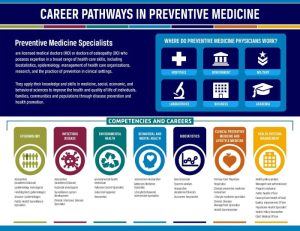
Preventive medicine focuses on maintaining health and preventing diseases before they occur. It involves strategies and interventions to promote health and well-being, ultimately reducing the burden of illness on individuals and society.
Role in Maintaining Health
Preventive medicine plays a crucial role in maintaining health by emphasizing proactive measures to prevent the onset of diseases rather than just treating symptoms. It involves regular health check-ups, screenings, vaccinations, and lifestyle modifications to promote overall well-being.
Difference between Preventive Medicine and Reactive Healthcare
Preventive medicine focuses on preventing diseases and promoting health through proactive measures, while reactive healthcare involves treating diseases and symptoms after they have already occurred. Preventive medicine aims to address underlying risk factors and promote healthy behaviors to prevent disease before it manifests.
Examples of Preventive Measures, Health checkups and lifestyle counseling
- Regular health check-ups and screenings
- Maintaining a healthy diet and weight
- Engaging in regular physical activity
- Getting recommended vaccinations
- Avoiding tobacco and excessive alcohol consumption
Cost-effectiveness of Preventive Medicine
Preventive medicine is often more cost-effective in the long run compared to reactive healthcare. By preventing diseases and promoting health, individuals can avoid costly medical treatments and hospitalizations associated with chronic conditions. Investing in preventive measures can lead to significant cost savings and improved quality of life.
Nutritional Counseling
Nutritional counseling plays a crucial role in promoting healthy eating habits and overall well-being. By working with a nutritional counselor, individuals can gain valuable insights into their dietary needs and learn how to make informed choices for better nutrition.
Benefits of Personalized Nutritional Counseling
- Customized meal plans tailored to individual needs and preferences.
- Educational resources on nutrition and healthy eating habits.
- Support and guidance in achieving specific health goals, such as weight management or improved energy levels.
- Accountability and motivation to make sustainable lifestyle changes.
Tips for Choosing a Qualified Nutritional Counselor
Look for certifications and credentials in nutrition or dietetics.
Consider experience and expertise in areas relevant to your specific needs.
Seek recommendations from healthcare professionals or trusted sources.
Ensure good communication and a comfortable rapport with the counselor.
Meal Planning Strategies Recommended during Nutritional Counseling
- Include a variety of nutrient-dense foods from all food groups.
- Focus on portion control and mindful eating practices.
- Plan ahead to make healthier choices and avoid impulse eating.
- Experiment with new recipes and cooking methods to keep meals interesting.
Healthy Mind
Maintaining a healthy mind is essential for overall well-being and quality of life. A healthy mind can positively impact cognitive function, emotional balance, and mental clarity, leading to improved decision-making and stress management.
Practices for Mental Clarity
- Engage in mindfulness meditation to improve focus and reduce stress levels.
- Practice deep breathing exercises to calm the mind and enhance cognitive function.
- Engage in regular physical exercise to boost endorphins and improve mood.
Tips for Emotional Balance
- Cultivate gratitude by keeping a gratitude journal to shift focus to positive aspects of life.
- Socialize with friends and family to build a support system and share feelings.
- Avoid negative self-talk and practice self-compassion to promote emotional well-being.
Connection to Quality of Life
A healthy mind is directly linked to an improved quality of life. When the mind is in a positive state, individuals are better equipped to handle challenges, make healthier choices, and maintain strong relationships. This leads to a more fulfilling and balanced lifestyle.
Essential FAQs
Can lifestyle counseling help in preventing future health issues?
Yes, lifestyle counseling can provide valuable guidance on making sustainable changes to prevent future health problems.
How often should one go for health checkups?
It is recommended to have regular health checkups annually or as advised by your healthcare provider based on your individual health needs.
Are lifestyle changes recommended in counseling sessions difficult to follow?
Lifestyle changes suggested during counseling are tailored to individual needs and are designed to be realistic and achievable with the right support.


More Stories
Online Nutritional Counseling Services: Your Path to Healthier Living
Preventive medicine and community health programs: Enhancing Wellness Together
Health motivation and long-term success: Achieving Your Goals for a Healthier Future