Preventive Medicine
Preventive medicine plays a crucial role in maintaining overall health by focusing on preventing diseases before they occur, rather than just treating them after they have already developed. This proactive approach helps individuals stay healthy and reduces the burden on the healthcare system.
Importance of Preventive Medicine
- Regular health screenings can detect potential issues early on, allowing for timely interventions.
- Healthy lifestyle choices, such as maintaining a balanced diet and regular exercise, can help prevent various chronic diseases.
- Vaccinations are key in preventing infectious diseases and protecting both individuals and communities.
Differences from Traditional Medical Practices
- Preventive medicine focuses on proactive measures to prevent diseases, while traditional medicine tends to treat existing health conditions.
- Preventive medicine emphasizes education and empowerment of individuals to take control of their health and well-being.
Examples of Preventive Measures
- Annual check-ups with healthcare providers for early detection of health issues.
- Maintaining a healthy weight through proper nutrition and regular physical activity.
- Avoiding tobacco and excessive alcohol consumption to reduce the risk of developing certain diseases.
Community Health Programs
Community health programs play a crucial role in promoting wellness within a specific population or community. These programs focus on preventive measures, education, and access to healthcare services to improve the overall health outcomes of individuals in the community.
Examples of Successful Community Health Initiatives
- 1. The “Walk with a Doc” program, where healthcare providers lead community members on walks while discussing health topics, has been successful in promoting physical activity and healthy lifestyle choices.
- 2. Community gardens and farmers’ markets initiatives have increased access to fresh fruits and vegetables in underserved areas, addressing food insecurity and promoting better nutrition.
- 3. School-based health education programs focusing on topics such as substance abuse prevention, sexual health, and mental wellness have positively impacted the health behaviors of students.
Impact of Community Health Programs on Public Health Outcomes
Community health programs have shown significant positive impacts on public health outcomes by reducing the incidence of chronic diseases, improving health behaviors, and increasing access to healthcare services. These programs help in early detection and management of health conditions, leading to better overall health and well-being within the community.
Healthy Snacks
Preventive medicine and community health programs – When it comes to maintaining a healthy diet, incorporating nutritious snacks can play a vital role in supporting energy levels and overall well-being. Healthy snacks not only provide essential nutrients but also help in managing hunger between meals and preventing overeating.
Benefits of Healthy Snacks:, Preventive medicine and community health programs
- Boost energy levels
- Provide essential nutrients
- Aid in weight management
- Improve focus and concentration
Nutritious Snack Options:
Here are some examples of healthy snack options for different dietary preferences:
- For vegetarians: Hummus with veggie sticks
- For vegans: Mixed nuts and seeds
- For gluten-free: Greek yogurt with berries
- For those with a sweet tooth: Apple slices with almond butter
Role of Healthy Snacks:
Healthy snacks play a crucial role in supporting energy levels throughout the day and contributing to overall well-being. By choosing nutrient-dense snacks, individuals can ensure they are fueling their bodies with the necessary vitamins and minerals to function optimally.
Wellness Programs
Wellness programs play a crucial role in promoting holistic health by focusing on all aspects of an individual’s well-being, including physical, mental, emotional, and social health. These programs aim to improve overall quality of life and prevent health issues before they arise.
Examples of Effective Wellness Programs
- Corporate Wellness Programs: Many companies offer wellness programs to their employees, including fitness challenges, healthy eating initiatives, stress management workshops, and mental health support. These programs have been shown to reduce absenteeism, increase productivity, and improve employee morale.
- Community Fitness Classes: Local community centers often organize free or low-cost fitness classes such as yoga, Zumba, or walking groups. These programs help individuals stay active, socialize, and maintain a healthy lifestyle.
- Online Wellness Platforms: With the rise of technology, online wellness platforms have become popular for providing personalized health plans, workout routines, nutrition tips, and mental health resources. These platforms make wellness accessible to a wider audience and allow individuals to track their progress.
Importance of Personalized Wellness Plans
Personalized wellness plans are essential in helping individuals achieve their health goals because everyone has unique needs, preferences, and challenges. By tailoring wellness programs to each person’s specific requirements, whether it be dietary restrictions, fitness levels, or mental health concerns, individuals are more likely to stay motivated and committed to their well-being journey.
Physical Therapy
Physical therapy plays a crucial role in the rehabilitation and injury prevention of individuals. Through targeted exercises, manual therapy, and education, physical therapists help patients recover from injuries, surgeries, or chronic conditions.
Regaining Mobility and Strength
- Physical therapy helps individuals regain mobility by focusing on improving flexibility, balance, and coordination.
- Strength training exercises tailored to the specific needs of the patient play a vital role in rebuilding muscle strength and endurance.
- Through customized treatment plans, physical therapy aims to enhance the overall functional ability of individuals, enabling them to perform daily tasks with ease.
Success Stories
One success story involves a patient who underwent knee surgery and struggled with walking post-operation. Through consistent physical therapy sessions, the patient gradually regained strength and mobility, eventually being able to walk without assistance.
- Another individual with a chronic back condition saw significant improvement in pain management and mobility after engaging in a structured physical therapy program.
- Athletes recovering from sports-related injuries have successfully returned to their sport with the help of targeted physical therapy interventions, focusing on injury prevention and performance enhancement.
Health Coaching
Health coaching is a personalized approach to help individuals make positive lifestyle changes by focusing on their overall well-being. This form of coaching involves working with clients to set achievable health goals, providing guidance, support, and accountability throughout their wellness journey.
Benefits of Health Coaching
- Improved health outcomes
- Increased motivation and accountability
- Customized strategies for individual needs
- Enhanced overall well-being
Role of a Health Coach
Health coaches play a crucial role in empowering individuals to take control of their health by providing education, motivation, and support. They work collaboratively with clients to create personalized plans, set realistic goals, and track progress over time.
Tips for Finding a Reputable Health Coach
- Check credentials and certifications
- Read client testimonials and reviews
- Schedule a consultation to assess compatibility
- Inquire about their approach and methodology
Medical Advancements: Preventive Medicine And Community Health Programs
Preventive medicine and community health have benefitted greatly from recent medical advancements. These innovations have revolutionized healthcare delivery and improved the overall well-being of populations. Technology plays a crucial role in enhancing preventive measures and supporting healthcare professionals in their efforts to promote wellness and disease prevention.
Telehealth and Telemedicine
Telehealth and telemedicine have emerged as essential tools in preventive medicine and community health programs. These technologies allow healthcare providers to remotely monitor patients, provide consultations, and offer medical advice without the need for in-person visits. Telehealth has significantly improved access to healthcare services, especially in underserved communities where resources are limited.
Wearable Health Devices
Wearable health devices, such as fitness trackers and smartwatches, have become increasingly popular in promoting preventive care. These devices monitor various health metrics, including heart rate, sleep patterns, and physical activity levels. By empowering individuals to track their health data in real-time, wearable devices encourage proactive health management and early intervention.
Genomic Medicine
Genomic medicine has revolutionized the field of preventive medicine by enabling personalized healthcare interventions based on an individual’s genetic makeup. By analyzing genetic data, healthcare professionals can identify genetic predispositions to certain diseases and tailor preventive strategies accordingly. This targeted approach allows for more effective disease prevention and management.
Artificial Intelligence (AI) in Healthcare
Artificial intelligence (AI) has played a significant role in advancing preventive medicine and community health initiatives. AI algorithms can analyze vast amounts of health data to identify trends, predict disease outbreaks, and recommend personalized treatment plans. By harnessing the power of AI, healthcare providers can deliver more precise and efficient preventive care strategies.
Robotics in Healthcare
Robotics technology has transformed healthcare delivery by automating repetitive tasks, assisting in surgeries, and enhancing patient care. In preventive medicine, robotics can be used for early disease detection, remote monitoring, and medication management. Robotics technology improves healthcare efficiency and accuracy, ultimately leading to better health outcomes for individuals and communities.
Fitness Goals
Setting fitness goals is crucial for overall health as it provides direction, motivation, and a sense of accomplishment. By establishing specific targets, individuals can track their progress, stay focused, and make necessary adjustments to their fitness routines. Achieving and maintaining fitness goals not only improves physical health but also enhances mental well-being and overall quality of life.
Importance of Setting Fitness Goals
- Setting fitness goals helps individuals stay motivated and committed to their exercise regimen.
- Having clear objectives allows for better monitoring of progress and adjustments to the workout routine.
- Goals provide a sense of accomplishment and satisfaction when achieved, boosting self-esteem and confidence.
Strategies for Achieving and Maintaining Fitness Goals
- Start with realistic goals that are specific, measurable, attainable, relevant, and time-bound (SMART).
- Break down larger goals into smaller, manageable milestones to track progress effectively.
- Stay consistent with workouts and make exercise a priority in your daily routine.
- Mix up your fitness activities to prevent boredom and plateaus, incorporating strength training, cardio, flexibility, and balance exercises.
Tips for Creating Realistic and Sustainable Fitness Goals
- Consult with a fitness professional to help set appropriate goals based on your current fitness level, health status, and personal preferences.
- Avoid setting overly ambitious goals that may lead to burnout or injury. Gradual progression is key to long-term success.
- Consider factors such as time constraints, resources, and potential barriers when establishing fitness goals to ensure they are achievable and sustainable.
Balanced Nutrition
Balanced nutrition plays a crucial role in preventive health by providing the body with essential nutrients needed for optimal function and overall well-being. It helps in maintaining a healthy weight, reducing the risk of chronic diseases, and boosting the immune system.
Well-Balanced Meal Plan for Different Dietary Needs
Creating a well-balanced meal plan involves incorporating a variety of foods from different food groups to ensure adequate intake of essential nutrients. Here are examples of well-balanced meal plans for different dietary needs:
- For a vegetarian diet: Include a variety of fruits, vegetables, whole grains, legumes, nuts, and seeds to ensure adequate protein, iron, and vitamin B12 intake.
- For a gluten-free diet: Focus on naturally gluten-free foods like fruits, vegetables, lean proteins, dairy, and gluten-free grains such as quinoa and rice.
- For a low-carb diet: Emphasize non-starchy vegetables, lean proteins, healthy fats, and limited amounts of whole grains and fruits to control blood sugar levels.
Impact of Balanced Nutrition on Overall Well-being
Consuming a well-balanced diet has a profound impact on overall well-being. It can improve energy levels, mood, cognitive function, and digestive health. Adequate intake of nutrients like vitamins, minerals, and antioxidants supports the body’s natural defense mechanisms, promoting longevity and reducing the risk of diseases.
Mental Strength
Maintaining good health goes beyond just physical well-being; mental strength plays a crucial role in overall wellness. It impacts how we handle stress, make decisions, and cope with challenges in our daily lives.
Strategies for Improving Mental Resilience
- Practice mindfulness and meditation to stay present and reduce anxiety.
- Engage in regular physical activity to boost endorphins and improve mood.
- Build a strong support network of friends and family for emotional support.
- Seek professional help if needed through therapy or counseling sessions.
Connection Between Mental Well-being and Physical Health
Mental well-being directly impacts physical health in various ways. Chronic stress, for example, can lead to high blood pressure, weakened immune system, and increased risk of cardiovascular diseases. Conversely, a positive mindset and strong mental resilience can enhance immune function, improve sleep quality, and overall contribute to a healthier body.
Yoga Practice
Yoga is a practice that has been around for centuries and has gained popularity for its numerous health benefits. Incorporating yoga into one’s routine can have a positive impact on physical, mental, and emotional well-being.
Different Types of Yoga Practices and Their Benefits
- Hatha Yoga: Focuses on physical postures and breathing exercises, promoting balance, flexibility, and relaxation.
- Vinyasa Yoga: Involves flowing sequences of poses with synchronized breathing, enhancing cardiovascular health and strength.
- Ashtanga Yoga: A more vigorous practice involving a set series of poses to build strength, flexibility, and endurance.
- Bikram Yoga: Practiced in a heated room, promoting detoxification through sweating and improving flexibility.
Health Benefits of Yoga
- Physical Benefits: Improves flexibility, strength, and posture, reduces chronic pain, and enhances overall physical health.
- Mental Benefits: Reduces stress, anxiety, and depression, improves focus, concentration, and mental clarity.
- Emotional Benefits: Promotes relaxation, mindfulness, and self-awareness, fostering emotional well-being and resilience.
Health Education
Health education plays a crucial role in preventive healthcare by providing individuals with the knowledge and skills needed to make informed decisions about their health and well-being. By increasing awareness and promoting healthy behaviors, health education programs empower individuals to take control of their own health outcomes.
Importance of Health Education in Preventive Healthcare
Health education is essential in preventive healthcare as it helps individuals understand the importance of adopting healthy lifestyle habits and making informed choices about their health. By educating people about the risks of certain behaviors and the benefits of preventive measures, health education programs can significantly reduce the incidence of diseases and improve overall well-being.
Examples of Effective Health Education Initiatives in Communities
- A community-based program that provides workshops on healthy eating and physical activity to combat obesity and promote overall wellness.
- Collaboration with local schools to implement comprehensive sexual education programs to reduce the spread of sexually transmitted infections and promote safe practices.
- Online resources and mobile apps that offer information on mental health awareness and coping strategies to address the rising concerns of stress and anxiety in the community.
Weight Management
Weight management plays a crucial role in preventing chronic diseases and promoting overall health and well-being. Maintaining a healthy weight can reduce the risk of conditions such as heart disease, diabetes, and certain types of cancer. It is essential to adopt healthy approaches to weight loss and maintenance to achieve sustainable results and improve quality of life.
Significance of Weight Management
- Weight management helps in reducing the risk of chronic diseases such as cardiovascular issues, diabetes, and hypertension.
- Maintaining a healthy weight can improve overall physical fitness, mobility, and quality of life.
- Effective weight management can boost self-esteem, confidence, and mental well-being.
- It is essential for achieving and sustaining long-term wellness goals and preventing weight-related complications.
Healthy Approaches to Weight Loss and Maintenance
- Focus on balanced nutrition by incorporating a variety of fruits, vegetables, whole grains, lean proteins, and healthy fats into your diet.
- Engage in regular physical activity to support weight loss and muscle maintenance, aiming for at least 150 minutes of moderate-intensity exercise per week.
- Stay hydrated by drinking an adequate amount of water daily to support metabolism and overall health.
- Aim for gradual weight loss of 1-2 pounds per week to promote sustainable results and prevent muscle loss.
Tips for Achieving Sustainable Weight Management Goals
- Set realistic and achievable weight loss goals to stay motivated and track progress effectively.
- Focus on building healthy habits and lifestyle changes rather than quick fixes or fad diets.
- Seek support from healthcare professionals, nutritionists, or fitness trainers to create a personalized weight management plan.
- Practice mindful eating, listen to your body’s hunger cues, and avoid emotional eating triggers.
Health Checkups
Regular health checkups play a crucial role in preventive care by helping individuals detect potential health issues early on. These routine screenings and exams can help identify risk factors, monitor overall health, and prevent diseases from progressing unnoticed.
Recommended Health Screenings
- For Children and Adolescents:
- Regular pediatric checkups for growth and development monitoring.
- Vaccinations as per the recommended schedule.
- Vision and hearing tests.
- Dental checkups for oral health.
- For Adults:
- Blood pressure checks.
- Cholesterol screening.
- Diabetes screening.
- Colon cancer screening starting at age 50.
- Mammograms for women starting at age 40.
- For Seniors:
- Bone density tests for osteoporosis.
- Annual flu shots.
- Regular cognitive assessments.
- Regular screenings for conditions like prostate cancer or breast cancer.
Early Detection for Improved Health Outcomes
Regular health checkups help in catching potential health issues at an early stage, allowing for timely intervention and treatment. Early detection can lead to better health outcomes, reduced treatment costs, and improved quality of life. By staying proactive with health screenings, individuals can take control of their well-being and address any health concerns promptly.
Skin Health
Maintaining healthy skin is not just about appearance; it is also crucial for overall well-being. Our skin is the body’s largest organ and plays a vital role in protecting us from external factors. Here, we will explore the connection between skin health and overall well-being, share skincare tips, and discuss common skin conditions along with preventive measures.
Skincare Tips for Healthy Skin
- Avoid prolonged sun exposure and always use sunscreen to protect your skin from harmful UV rays.
- Stay hydrated by drinking an adequate amount of water daily to keep your skin hydrated and healthy.
- Follow a regular skincare routine that includes cleansing, exfoliating, and moisturizing to maintain clear and radiant skin.
- Eat a balanced diet rich in vitamins and minerals to nourish your skin from the inside out.
Common Skin Conditions and Preventive Measures
- Acne: Maintain good hygiene, avoid touching your face frequently, and use non-comedogenic skincare products.
- Eczema: Keep your skin moisturized, avoid irritants, and wear soft, breathable fabrics.
- Psoriasis: Manage stress, moisturize regularly, and follow a treatment plan prescribed by your healthcare provider.
- Skin Cancer: Perform regular skin checks, use sunscreen daily, and seek medical attention for any suspicious moles or spots.
Emotional Health
Emotional health plays a crucial role in our overall well-being, impacting our physical health, relationships, and daily functioning. When our emotional health is neglected, it can lead to various health issues and a decreased quality of life.
Impact of Emotional Health on Physical Well-being
Emotional well-being is closely linked to physical health. Chronic stress, anxiety, and depression can weaken the immune system, increase the risk of heart disease, and contribute to digestive problems. On the other hand, positive emotions and a resilient mindset can boost our immune system, lower blood pressure, and improve overall physical health.
Strategies for Enhancing Emotional Resilience and Well-being
– Practice mindfulness and meditation to reduce stress and increase self-awareness.
– Engage in regular physical activity to release endorphins and improve mood.
– Build strong social connections and seek support from friends and family.
– Develop healthy coping mechanisms for dealing with difficult emotions.
– Prioritize self-care activities that bring you joy and relaxation.
Importance of Seeking Support for Mental Health Concerns
Seeking support for mental health concerns is essential for maintaining emotional well-being. Talking to a therapist or counselor can help you process difficult emotions, learn coping strategies, and improve your overall mental health. It is important to remember that seeking help is a sign of strength, not weakness, and can lead to significant improvements in your emotional health.
Health Motivation
Maintaining healthy habits can be challenging, but motivation plays a crucial role in staying on track with your health and wellness journey. It is the driving force that keeps you committed to making positive choices for your well-being.
Tips for Staying Motivated
- Set realistic goals: Break down your health goals into smaller, achievable steps to prevent feeling overwhelmed.
- Reward yourself: Celebrate your milestones, whether it’s treating yourself to a massage or buying new workout gear.
- Find a support system: Surround yourself with friends, family, or a community who can cheer you on and hold you accountable.
- Stay positive: Focus on the progress you’ve made rather than any setbacks, and practice self-compassion.
- Mix it up: Keep your routine exciting by trying new activities, recipes, or workout classes to prevent boredom.
Setting Goals to Boost Health Motivation
- Specific goals: Define clear and specific objectives, such as running a 5k race or losing a certain amount of weight.
- Measurable goals: Track your progress using metrics like steps taken, pounds lost, or minutes of exercise completed.
- Achievable goals: Ensure your goals are within reach and align with your current abilities and resources.
- Relevant goals: Make sure your goals are meaningful to you and contribute to your overall health and well-being.
- Time-bound goals: Set deadlines for your goals to create a sense of urgency and motivation to work towards them.
Physical Activities
Regular physical activity is essential for maintaining overall health and well-being. It not only helps in managing weight and reducing the risk of chronic diseases but also improves mental health and boosts mood.
Benefits of Regular Physical Activity
- Improves cardiovascular health
- Strengthens muscles and bones
- Enhances flexibility and balance
- Increases energy levels
- Reduces stress and anxiety
Different Types of Physical Activities
- Cardiovascular exercises (e.g., running, cycling)
- Strength training (e.g., weightlifting, resistance bands)
- Flexibility exercises (e.g., yoga, stretching)
- Balance exercises (e.g., tai chi, Pilates)
Tips for Incorporating Physical Activity into Daily Routines
- Set specific goals and create a schedule
- Start with small changes and gradually increase intensity
- Find activities you enjoy to stay motivated
- Include physical activity in everyday tasks (e.g., taking the stairs, walking during breaks)
- Get support from friends or join group fitness classes
Health Awareness
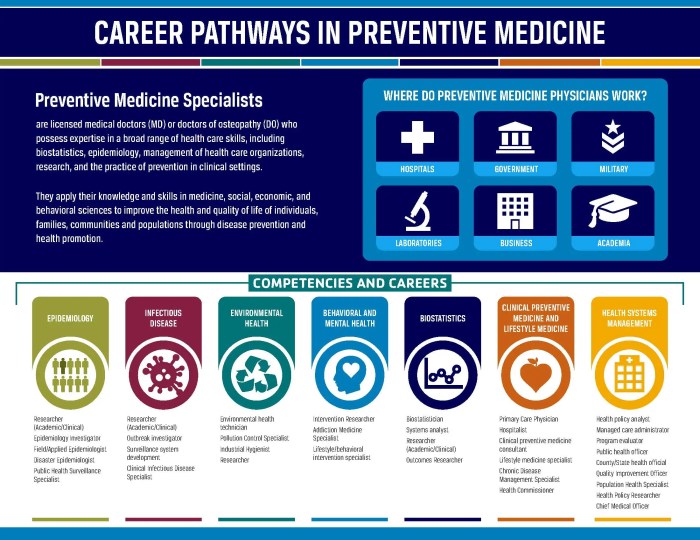
Raising awareness about preventive health measures is crucial in promoting overall well-being and reducing the burden of chronic diseases. By educating individuals about healthy lifestyle choices, regular health screenings, and disease prevention strategies, we can empower them to take control of their health and make informed decisions.
Increased health awareness can lead to positive behavior changes as individuals become more conscious of the impact of their daily habits on their health. Through targeted campaigns and educational initiatives, people can learn how to adopt healthier behaviors, such as eating a balanced diet, engaging in regular physical activity, managing stress effectively, and seeking preventive care.
Examples of Successful Health Awareness Campaigns
- The “5-2-1-0” campaign, which promotes five servings of fruits and vegetables, two hours or less of screen time, one hour of physical activity, and zero sugary drinks per day to encourage healthy habits among children.
- The “Movember” movement, focusing on raising awareness about men’s health issues, particularly prostate cancer, testicular cancer, mental health, and suicide prevention.
- The “Stoptober” campaign, encouraging smokers to quit smoking for the month of October by providing resources and support to help them kick the habit.
Positive Impact of Increased Health Awareness
- Empowering individuals to make informed decisions about their health and well-being.
- Reducing the incidence of preventable diseases through early detection and intervention.
- Promoting a culture of health and wellness within communities, schools, and workplaces.
- Fostering a sense of accountability and responsibility for one’s own health outcomes.
Nutritional Counseling
Nutritional counseling plays a crucial role in promoting healthy eating habits by providing individuals with personalized guidance on their dietary needs. This form of counseling involves working closely with a qualified nutritionist to develop a tailored nutrition plan that aligns with an individual’s health goals and lifestyle.
Benefits of Nutritional Counseling
- Personalized Guidance: Nutritionists can create customized meal plans based on an individual’s specific dietary requirements, health conditions, and fitness goals.
- Educational Support: Nutritionists educate individuals on the importance of balanced nutrition, portion control, and making healthy food choices to improve overall well-being.
- Accountability: Regular sessions with a nutritionist help individuals stay on track with their dietary goals and make necessary adjustments to achieve optimal results.
- Long-Term Health Benefits: Nutritional counseling can lead to long-lasting changes in eating habits, resulting in improved energy levels, weight management, and reduced risk of chronic diseases.
- Mental and Emotional Support: Nutritionists offer emotional support and motivation to individuals struggling with food-related issues, promoting a positive mindset towards healthy eating.
Finding a Qualified Nutritional Counselor
- Evaluate Credentials: Look for a nutritionist with proper credentials, such as a Registered Dietitian (RD) or Certified Nutrition Specialist (CNS), to ensure expertise in the field.
- Experience and Specialization: Consider the nutritionist’s experience and specialization in areas relevant to your health needs, such as weight management, sports nutrition, or medical conditions.
- Personal Connection: Choose a nutritionist with whom you feel comfortable sharing your concerns and goals, as open communication is essential for successful counseling sessions.
- Referrals and Reviews: Seek recommendations from healthcare providers, friends, or online reviews to find a reputable nutritionist known for delivering effective and personalized counseling services.
- Affordability and Accessibility: Determine the cost of sessions and the location of the nutritionist’s practice to ensure convenience and affordability for regular visits.
Healthy Mind
A healthy mind plays a crucial role in overall well-being, influencing our emotions, thoughts, and behaviors. It encompasses cognitive function, emotional stability, and the ability to cope with stress effectively.
Strategies for Maintaining Mental Wellness
Maintaining mental wellness involves various strategies such as practicing mindfulness, engaging in regular exercise, getting adequate sleep, managing stress through relaxation techniques, seeking social support, and engaging in activities that bring joy and fulfillment.
Connection between a Healthy Mind and Healthy Body
There is a strong connection between a healthy mind and a healthy body. Research shows that mental health impacts physical health and vice versa. Chronic stress, anxiety, and depression can weaken the immune system, increase inflammation, and contribute to various physical health conditions. On the other hand, physical activity, healthy eating habits, and adequate sleep can positively impact mental health by reducing stress, improving mood, and enhancing cognitive function.
FAQ
How does preventive medicine differ from traditional medical practices?
Preventive medicine focuses on proactive measures to prevent diseases before they occur, whereas traditional medical practices often involve treating illnesses after they have manifested.
What are examples of successful community health initiatives?
Some successful community health initiatives include vaccination drives, health education programs, and access to nutritious food in underserved areas.
Why is balanced nutrition important for preventive health?
Balanced nutrition plays a crucial role in preventive health by providing essential nutrients that support overall well-being and help prevent chronic diseases.
How can health coaching help individuals make positive lifestyle changes?
Health coaching provides personalized guidance and support to individuals, helping them set goals, adopt healthy habits, and navigate obstacles on their wellness journey.
What are some innovative medical technologies that support preventive care?
Innovative medical technologies such as telemedicine, wearable health devices, and digital health platforms are revolutionizing preventive care by enhancing access, monitoring, and personalized interventions.


More Stories
Online Nutritional Counseling Services: Your Path to Healthier Living
Health motivation and long-term success: Achieving Your Goals for a Healthier Future
Health Checkups and Lifestyle Counseling: Importance and Benefits