Budget-Friendly Healthy Snack Options
Budget-friendly healthy snack options – When it comes to snacking, choosing options that are both nutritious and easy on the wallet is essential. Here are some affordable and healthy snack ideas along with tips on planning and preparing budget-friendly snacks.
Affordable and Nutritious Snack Ideas
Snacking doesn’t have to break the bank. Here are some budget-friendly snack options that are packed with nutrients:
- Carrot sticks with hummus
- Plain Greek yogurt with a drizzle of honey
- Popcorn (without added butter or salt)
- Apple slices with almond butter
- Rice cakes with avocado slices
Tips for Planning and Preparing Budget-Friendly Snacks
Planning ahead can help you save money on snacks while ensuring you have healthy options readily available. Here are some tips to keep in mind:
- Make a weekly snack plan and grocery list to avoid impulse purchases.
- Buy snacks in bulk and portion them out into individual servings to save money.
- Prepare snacks in advance, such as chopping veggies or portioning out nuts, to make healthy choices easy and convenient.
Importance of Choosing Healthy and Cost-Effective Snacks
Choosing snacks that are both healthy and cost-effective is crucial for maintaining a balanced diet without overspending. By opting for nutrient-dense options that won’t break the bank, you can support your overall well-being while sticking to your budget.
Wellness Programs
Wellness programs are initiatives designed to promote holistic health and well-being among individuals by incorporating various activities, resources, and support systems.
These programs aim to improve physical, mental, and emotional health by encouraging healthy lifestyle choices, stress management techniques, and overall self-care practices.
Types of Wellness Programs
- Physical Fitness Programs: These programs focus on promoting regular exercise, proper nutrition, and weight management to enhance physical health.
- Mental Health and Stress Management Programs: These programs offer resources and tools to help individuals cope with stress, anxiety, and other mental health challenges.
- Health Education and Preventive Care Programs: These programs provide information on disease prevention, healthy eating habits, and regular health screenings.
Success Stories
“I started participating in a wellness program at my workplace that encouraged daily meditation and mindfulness practices. Not only did it help me manage my stress levels, but it also improved my focus and overall well-being.” – Sarah
“After joining a physical fitness program at my local gym, I not only lost weight and gained muscle but also developed a healthier lifestyle that I continue to maintain.” – John
Physical Therapy
Physical therapy plays a crucial role in promoting recovery and improving physical health by focusing on restoring function, reducing pain, and preventing disability. Through targeted exercises and interventions, physical therapists help individuals regain mobility, strength, and flexibility following an injury, surgery, or illness.
Examples of Exercises
- 1. Stretching: Stretching exercises help improve flexibility and range of motion in joints and muscles.
- 2. Strength Training: Resistance exercises are used to build muscle strength and endurance.
- 3. Balance Exercises: Balance training helps prevent falls and improve stability.
- 4. Cardiovascular Exercises: Aerobic activities like walking or cycling can boost heart health and overall fitness.
Fitness Goals
Physical therapy can be instrumental in helping individuals achieve their fitness goals by providing personalized exercise programs tailored to their specific needs and abilities. By addressing weaknesses, imbalances, and limitations, physical therapists guide patients towards improved physical function, increased performance, and enhanced overall wellness. Whether the goal is to recover from an injury, manage a chronic condition, or enhance athletic performance, physical therapy can play a key role in optimizing health and fitness outcomes.
Health Coaching
Health coaching is a personalized approach to guiding individuals towards making healthier lifestyle choices. A health coach works with clients to set wellness goals, create action plans, and provide support and accountability throughout the process.
Benefits of Working with a Health Coach
- Personalized Guidance: A health coach tailors recommendations to fit individual needs and preferences, making it easier to stick to a wellness plan.
- Accountability: Regular check-ins and support from a health coach help clients stay on track and motivated to achieve their goals.
- Behavior Change: Health coaches help clients identify and overcome barriers to healthy habits, fostering long-term lifestyle changes.
- Holistic Approach: Health coaches consider all aspects of well-being, including nutrition, exercise, stress management, and sleep, to promote overall health.
Tips for Finding a Reputable Health Coach
- Qualifications: Look for a health coach with proper certifications and training in health coaching, nutrition, or related fields.
- Experience: Consider a health coach with experience working with clients who have similar goals or health concerns.
- Communication Style: Choose a health coach whose communication style resonates with you and makes you feel supported and understood.
- References: Ask for references or testimonials from past clients to gauge the effectiveness and satisfaction of their coaching services.
Medical Advancements
In recent years, medical technology has made significant strides in promoting health and wellness through innovative treatments and groundbreaking advancements. These advancements have revolutionized healthcare practices and improved patient outcomes.
Advances in Precision Medicine
Precision medicine is a cutting-edge approach that takes into account individual variability in genes, environment, and lifestyle for each person. By tailoring medical treatment to the specific characteristics of each patient, precision medicine has the potential to improve outcomes and reduce side effects. This personalized approach has been particularly impactful in the treatment of cancer, where targeted therapies are developed based on a patient’s genetic makeup.
Telemedicine and Remote Monitoring
Telemedicine and remote monitoring have become increasingly popular, especially in light of the COVID-19 pandemic. These technologies allow patients to consult with healthcare providers remotely, reducing the need for in-person visits and improving access to care. Remote monitoring devices can track vital signs and symptoms in real-time, enabling early intervention and better management of chronic conditions.
Advancements in Robotic Surgery
Robotic surgery has transformed the field of surgery by offering enhanced precision, flexibility, and control to surgeons. With robotic-assisted procedures, surgeons can perform complex operations with smaller incisions, leading to reduced pain, shorter recovery times, and improved surgical outcomes. This technology has been particularly beneficial in areas such as urology, gynecology, and cardiothoracic surgery.
Fitness Goals
Setting realistic fitness goals is crucial for overall health as it helps individuals stay focused, motivated, and accountable in their fitness journey. By establishing achievable targets, individuals can track their progress and make necessary adjustments to their routines to ensure continuous improvement.
Importance of Setting Realistic Fitness Goals
Setting realistic fitness goals is essential to avoid burnout and injuries that may result from pushing oneself too hard. It allows individuals to gradually build up their strength, endurance, and flexibility, leading to sustainable progress in their fitness levels.
Strategies for Staying Motivated and Accountable
- Find a workout buddy or join a fitness group for added motivation and support.
- Track your progress regularly by keeping a fitness journal or using fitness apps.
- Reward yourself for achieving milestones to stay motivated and celebrate your accomplishments.
- Create a schedule and stick to it to ensure consistency in your workout routine.
- Stay positive and focus on the long-term benefits of reaching your fitness goals.
Success Stories of Achieving Fitness Goals
There are countless success stories of individuals who have achieved their fitness goals through dedication and perseverance. By staying committed to their workout routines, making healthy choices, and seeking support when needed, these individuals have transformed their lives and improved their overall health and well-being.
Balanced Nutrition
Maintaining a balanced diet is crucial for optimal health as it provides the body with essential nutrients needed to function properly and stay healthy. A well-rounded diet helps in reducing the risk of chronic diseases, promotes overall well-being, and boosts energy levels.
Examples of Nutrient-Rich Foods
Eating a variety of foods rich in essential nutrients is key to achieving balanced nutrition. Some examples include:
- Fruits and vegetables: Rich in vitamins, minerals, and antioxidants.
- Whole grains: Provide fiber, B vitamins, and minerals.
- Lean proteins: Such as poultry, fish, tofu, and legumes.
- Dairy or dairy alternatives: Good sources of calcium and vitamin D.
- Healthy fats: Found in nuts, seeds, avocados, and olive oil.
Meal Planning Tips for Balanced Nutrition on a Budget
Planning meals ahead of time can help you make healthier choices while sticking to a budget. Here are some tips:
- Make a grocery list based on weekly meal plans to avoid unnecessary purchases.
- Buy seasonal fruits and vegetables to save money and enjoy fresh produce.
- Cook in batches and freeze leftovers for quick and convenient meals later on.
- Opt for plant-based proteins like beans and lentils, which are cost-effective and nutritious.
- Choose whole foods over processed options to get more nutrients for your money.
Mental Strength
Mental strength plays a crucial role in overall well-being, impacting our ability to cope with challenges and stressors effectively. Building resilience and enhancing emotional well-being are key components of maintaining good mental health.
Strategies for Building Mental Resilience
- Practice positive self-talk to challenge negative thoughts and beliefs.
- Set realistic goals and break them down into manageable steps.
- Engage in regular physical activity to reduce stress and boost mood.
- Develop a strong support system of friends, family, or a therapist.
- Practice mindfulness techniques such as deep breathing or meditation.
Mindfulness Techniques for Enhancing Mental Strength
- Start your day with a few minutes of deep breathing or meditation to center yourself.
- Practice gratitude by keeping a journal of things you are thankful for each day.
- Engage in activities that bring you joy and relaxation, such as hobbies or spending time in nature.
- Stay present in the moment by focusing on your senses and surroundings.
- Acknowledge and accept your emotions without judgment, allowing yourself to feel without attachment.
Yoga Practice
Incorporating yoga into a wellness routine can bring a multitude of physical and mental benefits. Not only does it help improve flexibility, strength, and balance, but it also promotes relaxation, reduces stress, and enhances mindfulness.
Beginner-Friendly Yoga Poses for Relaxation and Stress Relief
- Child’s Pose: Kneel on the floor with your big toes touching and knees apart. Sit back on your heels and stretch your arms forward, resting your forehead on the mat.
- Downward-Facing Dog: Start on your hands and knees, then lift your hips up to create an inverted V shape. Press your hands and feet into the ground while lengthening your spine.
- Corpse Pose: Lie flat on your back with legs slightly apart and arms by your sides. Close your eyes and focus on deep breathing to relax your body and mind.
Tips for Establishing a Consistent Yoga Practice for Improved Flexibility and Mindfulness
- Schedule regular practice sessions: Set aside dedicated time each day for yoga, whether it’s in the morning to start your day or in the evening to unwind.
- Start with short sessions: If you’re a beginner, begin with shorter yoga sessions to build consistency and gradually increase the duration as you become more comfortable.
- Find a comfortable space: Create a peaceful environment for your practice with minimal distractions to help you focus on your movements and breathing.
- Listen to your body: Honor your body’s limitations and avoid pushing yourself too hard. Focus on gradual progress and enjoy the journey of self-discovery through yoga.
Health Education
Health education plays a crucial role in empowering individuals to make informed decisions about their health and well-being. By providing the necessary knowledge and skills, health education enables people to adopt healthy behaviors, prevent diseases, and effectively manage existing health conditions.
Importance of Continuous Health Education
- Health education helps individuals understand the importance of balanced nutrition, regular physical activity, and mental well-being in maintaining overall health.
- It equips people with the knowledge to recognize early signs and symptoms of diseases, leading to timely intervention and improved health outcomes.
- Continuous health education promotes a culture of preventive healthcare, reducing the burden on healthcare systems and enhancing community well-being.
Accessing Reliable Health Information and Resources
- Utilize reputable sources such as government health websites, academic journals, and healthcare professionals for accurate and up-to-date health information.
- Participate in health education programs offered by community centers, hospitals, and wellness organizations to enhance your knowledge and skills.
- Engage with online platforms and mobile applications that provide reliable health information and resources tailored to individual needs.
Impact of Health Education on Preventive Healthcare and Disease Management
- Health education empowers individuals to take proactive steps towards preventing diseases through healthy lifestyle choices and regular screenings.
- It enhances disease management by promoting medication adherence, self-care practices, and effective communication with healthcare providers.
- By raising awareness about risk factors and preventive measures, health education contributes to reducing the prevalence of chronic diseases and improving overall health outcomes.
Weight Management
Maintaining a healthy weight is crucial for overall well-being and reducing the risk of chronic diseases. It involves a combination of balanced nutrition, regular physical activity, and lifestyle modifications to achieve sustainable results.
Evidence-Based Strategies
- Aim for a balanced diet rich in fruits, vegetables, whole grains, lean proteins, and healthy fats.
- Practice portion control and mindful eating to avoid overeating.
- Incorporate regular exercise into your routine, aiming for at least 150 minutes of moderate-intensity activity per week.
- Stay hydrated and limit sugary beverages and high-calorie snacks.
- Monitor your progress and adjust your plan as needed with the help of a healthcare provider or nutritionist.
Role of Diet, Exercise, and Lifestyle Modifications
- Diet: Focus on nutrient-dense foods to fuel your body and support weight management goals.
- Exercise: Regular physical activity helps burn calories, build muscle, and improve metabolism.
- Lifestyle Modifications: Establish healthy habits such as adequate sleep, stress management, and avoiding unhealthy behaviors like smoking or excessive drinking.
Success Stories
“By making small, sustainable changes to my diet and exercise routine, I was able to lose weight gradually and keep it off. It’s not about quick fixes but long-term lifestyle changes.”
“Finding a support system and accountability partner made a significant difference in my weight management journey. Having someone to share successes and challenges with kept me motivated.”
Health Checkups
Regular health checkups play a crucial role in early detection and prevention of health issues, helping individuals maintain optimal well-being. These routine visits can provide valuable insights into one’s health status and identify potential concerns before they escalate.
Common Screenings and Tests
- Blood Pressure: Regular monitoring helps in detecting hypertension early.
- Cholesterol Levels: Assessing lipid profile aids in preventing heart diseases.
- Blood Sugar: Screening for diabetes is essential for managing blood glucose levels.
- Cancer Screenings: Mammograms, Pap smears, and colonoscopies are vital for early detection of cancers.
- Immunizations: Keeping vaccinations up to date boosts immunity against various diseases.
Tips for Scheduling and Prioritizing Checkups
- Maintain a health calendar to track upcoming appointments and screenings.
- Discuss your family history with healthcare providers to determine personalized screening recommendations.
- Prioritize preventive care by scheduling routine checkups at regular intervals.
- Stay proactive by following up on test results and adhering to recommended follow-up appointments.
Skin Health
Maintaining healthy skin is not just about using skincare products; it also involves paying attention to your nutrition and lifestyle choices. A well-rounded approach to skin health can help promote a radiant and glowing complexion.
Nutrition and Skin Health
- Eating a diet rich in antioxidants, vitamins, and minerals can help protect your skin from damage caused by free radicals.
- Drinking an adequate amount of water can keep your skin hydrated and plump, reducing the appearance of fine lines and wrinkles.
- Incorporating healthy fats like omega-3 fatty acids can help maintain skin elasticity and reduce inflammation.
- Avoiding excessive sugar and processed foods can help prevent breakouts and maintain a clear complexion.
Skincare Tips for Healthy Skin
- Always cleanse your skin gently and avoid harsh scrubbing to prevent irritation.
- Use sunscreen daily to protect your skin from harmful UV rays and prevent premature aging.
- Moisturize regularly to keep your skin hydrated and supple.
- Avoid touching your face frequently to prevent the transfer of bacteria and dirt that can cause breakouts.
Common Skin Conditions and Treatments
- Acne: Treatments may include topical creams, oral medications, or procedures like chemical peels or laser therapy.
- Eczema: Managing eczema involves moisturizing, avoiding triggers, and using medications like corticosteroids.
- Psoriasis: Treatments may include topical creams, phototherapy, or oral medications to reduce inflammation and slow skin cell growth.
- Hyperpigmentation: Treatments may involve topical lightening agents, chemical peels, or laser therapy to reduce dark spots and even out skin tone.
Emotional Health
Emotional well-being plays a crucial role in overall health and quality of life. It impacts our physical health, relationships, and ability to cope with daily challenges. Taking care of our emotional health is essential for a balanced and fulfilling life.
Impact of Emotional Well-being
Emotional well-being directly affects our physical health. Chronic stress, anxiety, or depression can weaken the immune system, increase inflammation in the body, and lead to various health issues. Additionally, emotional well-being influences our relationships, work performance, and overall happiness.
Coping Mechanisms for Emotional Challenges
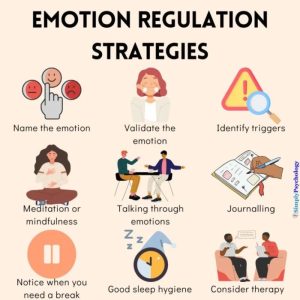
– Practice mindfulness and relaxation techniques such as deep breathing, meditation, or yoga.
– Engage in regular physical activity to release endorphins and reduce stress.
– Seek support from friends, family, or a therapist to talk about your feelings and concerns.
– Maintain a healthy lifestyle with balanced nutrition, proper sleep, and regular self-care activities.
Seeking Professional Help
If you are struggling with severe emotional challenges such as chronic anxiety, depression, or trauma, it is crucial to seek professional help. Consider reaching out to a mental health counselor, psychologist, or psychiatrist for specialized support and guidance. Remember, seeking help is a sign of strength and courage in taking care of your emotional well-being.
Health Motivation

Staying motivated and committed to health and wellness goals can be challenging, but it is crucial for long-term success. Positive reinforcement and self-care play a significant role in maintaining motivation, helping individuals overcome obstacles and stay focused on their health journey. Personal anecdotes and inspirational stories can also inspire others to prioritize their health and make positive changes in their lives.
Ways to Stay Motivated
- Set specific, achievable goals to track progress and celebrate small victories along the way.
- Find a workout buddy or join a supportive community to stay accountable and motivated.
- Incorporate variety into your routine to keep things interesting and prevent boredom.
- Practice mindfulness and self-care activities like meditation or journaling to reduce stress and stay mentally strong.
Role of Positive Reinforcement
- Use positive affirmations and self-talk to boost confidence and stay motivated during challenging times.
- Reward yourself for reaching milestones or sticking to your healthy habits to reinforce positive behavior.
- Surround yourself with supportive friends and family who encourage your health goals and provide motivation.
Inspirational Stories
- Share stories of individuals who have overcome health obstacles and achieved their wellness goals through dedication and perseverance.
- Highlight the transformational journeys of people who have prioritized their health and seen significant improvements in their overall well-being.
- Showcase real-life examples of how small changes can lead to big results, inspiring others to take charge of their health.
Physical Activities
Regular physical activity is essential for maintaining both physical and mental health. Engaging in exercises not only helps in improving cardiovascular health, muscle strength, and flexibility but also plays a crucial role in reducing stress, anxiety, and depression. It boosts mood, increases energy levels, and promotes better sleep patterns.
Benefits of Regular Physical Activity
- Improves cardiovascular health and reduces the risk of heart diseases.
- Enhances muscle strength, endurance, and flexibility.
- Helps in maintaining a healthy weight and managing weight-related issues.
- Boosts mood and reduces symptoms of anxiety and depression.
- Promotes better sleep patterns and overall well-being.
Fun and Engaging Exercises for All Fitness Levels
- Walking or brisk walking in the neighborhood or local park.
- Dancing to your favorite music at home or in a dance class.
- Yoga sessions for flexibility and relaxation.
- Swimming for a full-body workout with low impact on joints.
- Cycling in the outdoors or using a stationary bike indoors.
Importance of Incorporating Movement into Daily Routines
Regular movement throughout the day is crucial for overall well-being. Simple activities like taking the stairs instead of the elevator, stretching during work breaks, or opting for a standing desk can make a significant difference. Incorporating physical activity into daily routines not only improves physical health but also enhances mental clarity and productivity.
Health Awareness
Raising awareness about various health issues and conditions is crucial in promoting proactive healthcare and improving public health outcomes. By educating individuals about different health concerns, we empower them to make informed decisions and take necessary actions to prioritize their well-being.
Resources for Increasing Health Literacy
- Health education programs in schools and communities
- Online resources and reputable websites for accurate health information
- Health literacy workshops and seminars
Impact of Health Awareness Campaigns
Health awareness campaigns play a significant role in shaping public health outcomes by:
- Increasing early detection and prevention of diseases
- Encouraging healthy lifestyle choices and behaviors
- Reducing stigmas associated with certain health conditions
- Promoting access to healthcare services and resources
Preventive Medicine
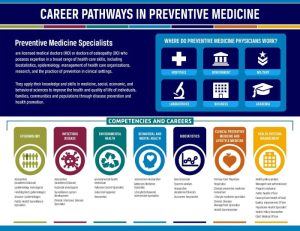
Preventive medicine plays a crucial role in reducing the burden of disease by focusing on proactive measures to maintain health and prevent illnesses before they occur. By emphasizing prevention rather than treatment, individuals can lead healthier lives and reduce healthcare costs in the long run.
Importance of Preventive Healthcare Strategies
- Regular Health Checkups: Routine screenings and checkups help in early detection of potential health issues, allowing for timely intervention and treatment.
- Immunizations: Vaccinations play a key role in preventing infectious diseases and protecting individuals from serious illnesses.
- Healthy Lifestyle Choices: Adopting a balanced diet, regular exercise routine, and avoiding harmful habits like smoking can significantly lower the risk of developing chronic conditions.
- Stress Management: Learning effective stress management techniques can help reduce the risk of stress-related illnesses and improve overall well-being.
Success Stories
“By following a preventive healthcare plan that included regular checkups and screenings, I was able to detect a health issue early and receive timely treatment, ultimately leading to a full recovery.” – Sarah
“Through preventive medicine practices like maintaining a healthy weight and staying active, I have been able to prevent the onset of chronic diseases that run in my family.” – David
Nutritional Counseling: Budget-friendly Healthy Snack Options
Nutritional counseling involves working with a trained professional to receive personalized guidance on dietary choices and habits. This type of counseling aims to help individuals make informed decisions about their nutrition to improve overall health and well-being.
Role of a Nutritional Counselor
A nutritional counselor plays a crucial role in providing personalized dietary guidance based on an individual’s specific needs, health goals, and lifestyle. They assess dietary patterns, identify areas for improvement, and create tailored nutrition plans to address deficiencies and promote optimal health.
Benefits of Nutritional Counseling, Budget-friendly healthy snack options
- Customized dietary plans: Nutritional counseling offers personalized recommendations to help individuals achieve specific health goals, such as weight management, improved energy levels, or better overall health.
- Educational support: Nutritional counselors provide valuable information on nutrition, food choices, portion sizes, and meal planning to empower individuals to make healthier choices independently.
- Accountability and motivation: Regular sessions with a nutritional counselor can help individuals stay on track with their dietary goals, providing support, encouragement, and accountability along the way.
- Long-term health benefits: By implementing sustainable dietary changes guided by a nutritional counselor, individuals can experience long-lasting improvements in their health, energy levels, and overall well-being.
Finding a Qualified Nutritional Counselor
When looking for a qualified nutritional counselor, consider the following tips:
- Check credentials: Look for a counselor with relevant education, training, and certifications in nutrition or dietetics.
- Experience and expertise: Choose a counselor with experience in addressing your specific health concerns or goals, such as weight management, sports nutrition, or chronic conditions.
- Compatibility: Seek a counselor who listens to your needs, communicates effectively, and provides personalized guidance that aligns with your preferences and lifestyle.
- Reviews and recommendations: Ask for referrals from healthcare providers, friends, or online reviews to find a counselor with a positive track record of helping clients achieve their nutritional goals.
Healthy Mind
Having a healthy mind is crucial for overall well-being and plays a significant role in maintaining good health. Mental wellness is closely linked to physical health, and taking care of your mind can positively impact your body.
Connection Between Mental Well-being and Overall Health
Our mental health can affect our physical health in various ways. Stress, anxiety, and other mental health issues can lead to physical symptoms and impact our immune system. It is essential to address mental well-being to maintain overall health.
Mindfulness Exercises and Techniques
- Practice deep breathing exercises to calm the mind and reduce stress.
- Engage in meditation to improve focus and promote relaxation.
- Try yoga to combine physical movement with mindfulness and achieve mental clarity.
Importance of Emotional Intelligence and Self-care
Emotional intelligence involves understanding and managing your emotions effectively. Self-care practices such as setting boundaries, practicing self-compassion, and engaging in activities you enjoy can contribute to mental wellness and emotional balance.
FAQ Overview
Are these snack options suitable for people with dietary restrictions?
Yes, many of the snack ideas provided can be easily adapted to accommodate various dietary restrictions such as gluten-free, dairy-free, or vegan.
How can I ensure that these snacks stay fresh throughout the day?
Storing snacks in airtight containers, using resealable bags, or opting for non-perishable options can help maintain freshness, especially when on the go.
Are there any snack ideas that are kid-friendly?
Absolutely, there are plenty of kid-friendly snack options included that are not only nutritious but also appealing to children’s taste buds.


More Stories