Importance of motivation in fitness
Importance of motivation in fitness – Staying motivated is crucial in achieving fitness goals. Motivation plays a significant role in driving individuals to maintain consistency in their fitness routines and pushing themselves to overcome challenges.
Impact of Motivation on Fitness Journey
Motivation serves as the driving force behind an individual’s commitment to their fitness journey. It provides the necessary push to start exercising, adhere to a healthy diet, and stay dedicated to achieving desired fitness outcomes.
Role of Motivation in Achieving Fitness Goals
- Motivation helps individuals set specific and achievable fitness goals, providing them with a sense of purpose and direction.
- It enables individuals to stay focused and determined, especially during challenging times or setbacks.
- Motivation boosts confidence and self-belief, empowering individuals to push beyond their limits and reach new milestones.
Driving Consistency in Fitness Routines
Consistency is key to seeing progress in fitness. Motivation acts as the fuel that drives individuals to stick to their workout schedules, make healthier choices, and prioritize their well-being.
Healthy Snacks
When it comes to supporting fitness goals, choosing nutritious snacks plays a crucial role in maintaining energy levels and overall well-being. Incorporating healthy snacks into a balanced diet can provide the necessary nutrients to fuel workouts and promote muscle recovery.
Examples of Nutritious Snacks
- Greek yogurt with berries and a sprinkle of nuts
- Apple slices with almond butter
- Carrot sticks with hummus
- Hard-boiled eggs
- Trail mix with dried fruits and nuts
Importance of Healthy Snacks in a Balanced Diet
Healthy snacks not only help in maintaining energy levels throughout the day but also prevent overeating during meals. They provide a steady source of nutrients, such as protein, fiber, and healthy fats, which are essential for muscle repair and growth.
Tips for Choosing Snacks for Energy Boost
- Opt for snacks that combine protein and carbohydrates for sustained energy.
- Avoid snacks high in added sugars and unhealthy fats, as they can lead to energy crashes.
- Choose whole foods like fruits, vegetables, nuts, and seeds for nutrient-dense options.
- Plan your snacks ahead of time to avoid reaching for unhealthy options when hunger strikes.
Wellness Programs
Wellness programs play a crucial role in motivating individuals to prioritize fitness by providing structured guidance, support, and resources to help them achieve their health goals. These programs often offer a variety of fitness classes, workshops, and challenges that inspire participants to stay active and make healthier choices.
Benefits of Participating in Wellness Programs
- Improved Physical Health: Wellness programs typically include exercise routines and nutritional guidance, leading to better physical health and increased energy levels.
- Emotional Well-being: Engaging in wellness activities can reduce stress, anxiety, and depression, promoting mental well-being and overall happiness.
- Social Support: Wellness programs create a sense of community among participants, fostering social connections and accountability in maintaining fitness goals.
- Long-term Habits: By participating in wellness programs, individuals can develop sustainable habits that promote a healthy lifestyle and prevent chronic diseases.
Examples of Successful Wellness Programs
- Company Wellness Challenges: Many companies offer wellness programs that include fitness challenges, such as step competitions or healthy eating initiatives, to motivate employees to prioritize their health.
- Community Fitness Classes: Local community centers often host fitness classes like yoga, Zumba, or boot camps to encourage residents to stay active and engage in physical activity.
- Online Wellness Platforms: Virtual wellness programs provide convenient access to fitness resources, workout videos, and nutrition tips for individuals looking to improve their health from the comfort of their homes.
Physical Therapy
Physical therapy plays a crucial role in enhancing fitness and preventing injuries by focusing on improving flexibility, strength, endurance, and overall movement patterns. It helps individuals optimize their physical function and performance while reducing the risk of injuries during exercise and daily activities.
Recovering from Fitness-Related Injuries
Physical therapy can be instrumental in helping individuals recover from fitness-related injuries by providing targeted rehabilitation exercises, manual therapy techniques, and personalized treatment plans. By addressing the root cause of the injury and promoting proper biomechanics, physical therapy aids in the healing process and restores optimal function.
- Physical therapists assess the extent of the injury and develop a tailored rehabilitation program to promote healing and prevent re-injury.
- Through targeted exercises and modalities, physical therapy helps individuals regain strength, flexibility, and range of motion in the affected area.
- Manual therapy techniques such as massage, joint mobilizations, and soft tissue manipulation can alleviate pain, reduce inflammation, and improve tissue healing.
- By incorporating functional training and corrective exercises, physical therapy aims to improve movement patterns, posture, and muscle imbalances to prevent future injuries.
Incorporating Physical Therapy into a Fitness Routine, Importance of motivation in fitness
Integrating physical therapy into a fitness routine is essential for optimizing performance, preventing injuries, and promoting overall well-being. Here are some tips on how to incorporate physical therapy effectively:
- Consult with a physical therapist to assess your movement patterns, identify any imbalances or weaknesses, and develop a personalized plan to address them.
- Consistently follow the prescribed exercises, stretches, and modalities to improve strength, flexibility, and mobility in targeted areas.
- Communicate regularly with your physical therapist to track progress, address any concerns or setbacks, and modify the treatment plan as needed.
- Integrate functional movements and corrective exercises from physical therapy into your regular workout routine to enhance performance, prevent injuries, and support long-term fitness goals.
Health Coaching
Health coaching plays a crucial role in motivating individuals and helping them adhere to their fitness goals. By providing personalized support, health coaches can guide individuals on their fitness journey, making it easier for them to stay committed and achieve sustainable results.
Impact of Health Coaching on Motivation and Adherence
Health coaches work closely with individuals to set realistic goals, create tailored workout plans, and provide ongoing support and accountability. This personalized approach helps individuals stay motivated and committed to their fitness journey, increasing the likelihood of achieving long-term success.
Personalized Support from Health Coaches
Health coaches take into account each individual’s unique needs, preferences, and challenges to create a customized plan that fits their lifestyle. By offering continuous guidance, motivation, and feedback, health coaches empower individuals to make positive changes and stay on track towards their fitness goals.
Examples of Health Coaching Success
– One individual struggling with weight loss was able to achieve sustainable results with the help of a health coach who provided personalized nutrition guidance and emotional support.
– Another individual looking to improve their overall fitness level benefited from regular check-ins and accountability from their health coach, leading to consistent progress and long-lasting lifestyle changes.
Medical Advancements
Medical advancements have played a crucial role in shaping fitness practices and improving health outcomes. With the integration of technology in healthcare, tracking fitness progress has become more efficient, leading to better overall wellness. Let’s explore how these advancements have revolutionized the fitness industry.
Role of Technology in Tracking Fitness Progress
Technology has enabled individuals to monitor their fitness journey with precision. Wearable devices such as fitness trackers and smartwatches allow users to track their daily activity levels, heart rate, sleep patterns, and even calorie intake. These data points provide valuable insights into one’s overall health and help individuals make informed decisions to improve their fitness routines.
- Fitness Apps: Mobile applications offer personalized workout plans, nutrition tracking, and even virtual coaching sessions. These apps make it easier for individuals to stay motivated and accountable towards their fitness goals.
- Telemedicine: Virtual consultations with healthcare providers allow individuals to receive medical advice and guidance on their fitness journey from the comfort of their homes. This convenience has made healthcare more accessible and efficient.
- Virtual Reality Fitness: VR technology has transformed the way people exercise by creating immersive and engaging workout experiences. Users can participate in virtual fitness classes, explore scenic locations, and challenge themselves in a fun and interactive way.
Innovative Medical Advancements Supporting Fitness and Wellness
Medical advancements continue to drive innovation in the fitness and wellness industry, offering new solutions to enhance overall health and well-being.
Personalized Medicine: Advances in genetic testing and personalized medicine allow individuals to understand their unique genetic makeup and tailor their fitness and nutrition plans accordingly for optimal results.
- Regenerative Medicine: Techniques such as stem cell therapy and platelet-rich plasma (PRP) injections help in repairing damaged tissues and accelerating recovery from injuries, enabling individuals to resume their fitness activities sooner.
- Exoskeleton Technology: Exoskeletons are wearable robotic devices that assist individuals with mobility impairments in performing physical activities. These devices enable individuals to engage in fitness routines and improve their overall strength and mobility.
- Cryotherapy: Cryotherapy involves exposing the body to extremely cold temperatures to reduce inflammation, relieve muscle soreness, and enhance recovery. Athletes and fitness enthusiasts use cryotherapy to recover faster after intense workouts and prevent injuries.
Fitness Goals
Setting specific, measurable, achievable, relevant, and time-bound (SMART) fitness goals is crucial for success in any fitness journey. These goals provide a clear roadmap for progress and help individuals stay focused and motivated throughout their fitness regimen.
Importance of Setting SMART Fitness Goals
- Specific: Clearly define what you want to achieve in terms of fitness, whether it’s losing weight, gaining muscle, or improving endurance.
- Measurable: Establish criteria to track your progress, such as pounds lost, inches gained, or time taken to complete a workout.
- Achievable: Set goals that are challenging yet realistic based on your current fitness level and lifestyle.
- Relevant: Ensure that your fitness goals align with your overall health objectives and personal values.
- Time-bound: Set a deadline for achieving each goal to create a sense of urgency and commitment.
Enhancing Motivation and Focus
Setting clear fitness goals can enhance motivation by providing a sense of purpose and direction. When individuals have specific targets to work towards, they are more likely to stay committed and disciplined in their fitness routine. Additionally, having measurable goals allows for tracking progress, which can boost confidence and motivation along the way.
Tips for Setting Realistic Fitness Goals
- Consult with a fitness professional to assess your current fitness level and help you set appropriate goals.
- Break down larger goals into smaller, achievable milestones to celebrate progress along the way.
- Write down your goals and keep them visible as a daily reminder of what you are working towards.
- Adjust your goals as needed based on your progress and any changes in your circumstances or priorities.
Balanced Nutrition
When it comes to fitness performance, balanced nutrition plays a crucial role in providing the necessary fuel for our bodies to function optimally during physical activity. A well-rounded diet not only supports our overall health but also helps us reach our fitness goals more effectively.
Relationship between Balanced Nutrition and Fitness Performance
Having a balanced diet ensures that our bodies are equipped with the right nutrients to sustain energy levels and muscle function during workouts. Proteins aid in muscle repair and growth, carbohydrates provide energy for exercise, and fats help with hormone regulation and absorption of fat-soluble vitamins.
Benefits of a Well-Rounded Diet for Health and Fitness Goals
- Supports weight management by providing a mix of macronutrients and essential vitamins and minerals.
- Improves overall immune function and reduces the risk of illness or injury, allowing for consistent training.
- Enhances recovery post-exercise by replenishing glycogen stores and repairing muscle tissue.
Examples of Balanced Meals for Optimal Fitness
| Meal | Components |
|---|---|
| Breakfast | Scrambled eggs with spinach, whole grain toast, and a side of berries |
| Lunch | Grilled chicken salad with mixed greens, quinoa, avocado, and vinaigrette dressing |
| Dinner | Baked salmon with roasted sweet potatoes, steamed broccoli, and a sprinkle of almonds |
Mental Strength
Mental strength plays a crucial role in fitness perseverance as it helps individuals stay focused, motivated, and resilient in the face of challenges.
Building Mental Resilience
Building mental resilience is essential for overcoming fitness challenges. Some strategies to enhance mental strength include:
- Setting realistic goals and breaking them down into smaller achievable milestones.
- Practicing positive self-talk to boost confidence and motivation.
- Embracing failure as a learning opportunity rather than a setback.
- Incorporating mindfulness techniques such as meditation or deep breathing exercises to reduce stress and improve mental clarity.
Positive Impact on Physical Performance
Mental strength can have a significant positive impact on physical performance. For example, athletes who cultivate mental resilience are better equipped to push through fatigue, stay focused during competition, and bounce back from setbacks. This mental fortitude often translates into improved endurance, strength, and overall athletic performance.
Yoga Practice
Yoga is a fantastic addition to any fitness routine, offering a wide range of benefits for both the body and mind. Incorporating yoga into your workouts can lead to improved flexibility, strength, and mental well-being.
Benefits of Yoga in Fitness
- Enhanced Flexibility: Regular practice of yoga can help increase flexibility by stretching and lengthening muscles, allowing for better range of motion in daily activities and other exercises.
- Improved Strength: Many yoga poses require holding positions that engage various muscle groups, leading to increased strength and muscle tone over time.
- Boosted Mental Well-being: The focus on breathing and mindfulness in yoga can help reduce stress, anxiety, and improve overall mental clarity and focus.
Tips for Integrating Yoga Practice
- Schedule Regular Sessions: Set aside dedicated time for yoga practice each week to ensure consistency and progress in your fitness journey.
- Combine with Other Workouts: Pairing yoga with cardiovascular and strength training can create a well-rounded fitness routine that targets different aspects of physical health.
- Attend Classes or Use Online Resources: Whether in-person classes or virtual tutorials, seeking guidance from experienced instructors can help you learn proper form and technique for maximum benefits.
- Listen to Your Body: Pay attention to how your body feels during yoga practice and adjust positions or intensity as needed to prevent injury and promote comfort.
Health Education
Health education plays a crucial role in promoting fitness awareness and overall well-being. By providing individuals with knowledge about health and fitness, they are empowered to make informed choices that can positively impact their lives.
Importance of Health Education in Fitness Awareness
Health education equips individuals with the necessary information to understand the importance of maintaining a healthy lifestyle. It educates them on the benefits of regular exercise, balanced nutrition, and mental well-being, all of which are essential components of achieving fitness goals.
Empowerment through Knowledge
When individuals are educated about health and fitness, they are empowered to take control of their own well-being. They can make informed decisions about their diet, exercise routine, and overall lifestyle choices, leading to improved physical and mental health.
Effective Health Education Programs
- Community Workshops: Hosting workshops on topics such as nutrition, exercise, and stress management to educate and engage the community in adopting healthy habits.
- School Wellness Programs: Implementing programs in schools that teach students about the importance of physical activity, healthy eating, and mental wellness.
- Employee Wellness Initiatives: Offering health education sessions and resources in the workplace to promote employee well-being and encourage healthy lifestyle choices.
Weight Management
Maintaining a healthy weight is crucial for achieving fitness goals and overall well-being. By managing your weight effectively, you can improve your physical health, boost your energy levels, and reduce the risk of chronic diseases.
The Role of Weight Management in Fitness
- Weight management plays a key role in determining your body composition and overall fitness level.
- By maintaining a healthy weight, you can enhance your athletic performance and increase your endurance during workouts.
- Excess weight can put strain on your joints and muscles, leading to a higher risk of injuries.
Healthy Weight Management Strategies
- Follow a balanced diet rich in fruits, vegetables, lean proteins, and whole grains.
- Aim for regular physical activity, including cardiovascular exercises, strength training, and flexibility exercises.
- Avoid crash diets or extreme weight loss methods, as they can be harmful to your health in the long run.
- Stay hydrated and get an adequate amount of sleep to support your weight management efforts.
- Seek support from a healthcare provider or a nutritionist for personalized guidance on achieving and maintaining a healthy weight.
Health Checkups
Regular health checkups play a crucial role in monitoring fitness progress and overall well-being. These routine visits to healthcare professionals can help prevent potential health issues and optimize fitness performance by identifying any underlying problems early on.
Importance of Regular Health Checkups
Health checkups are essential for individuals looking to maintain a healthy lifestyle and track their fitness progress. By regularly monitoring key health indicators, individuals can ensure they are on the right path towards achieving their fitness goals.
- Checking blood pressure and heart rate: Monitoring these vital signs can help assess cardiovascular health and overall fitness level.
- Measuring body mass index (BMI): Calculating BMI can provide insight into whether an individual’s weight is within a healthy range for their height.
- Blood tests for cholesterol and glucose levels: These tests can help detect any abnormalities that may indicate potential health issues like diabetes or heart disease.
- Assessing flexibility and muscle strength: Evaluating these physical aspects can help determine the effectiveness of a fitness routine and identify areas for improvement.
Regular health checkups are not only about treating illnesses but also about preventing them before they become serious health concerns.
Skin Health

Maintaining healthy skin is not only about skincare products but also about fitness and nutrition. The impact of exercise and a balanced diet on skin health is significant, as they can promote glowing and radiant skin. Let’s explore how fitness and nutrition play a crucial role in achieving healthy skin.
Impact of Fitness and Nutrition on Skin Health
Regular exercise helps in improving blood circulation, which ensures that essential nutrients reach the skin cells, promoting cell regeneration and repair. Additionally, sweating during workouts helps in flushing out toxins from the skin, giving it a clearer appearance. On the other hand, a diet rich in antioxidants, vitamins, and minerals can protect the skin from damage caused by free radicals, reducing signs of aging and promoting a youthful glow. By combining a fitness routine with a nutritious diet, you can enhance the overall health and appearance of your skin.
Tips for Skincare Routines
- Cleanse your skin thoroughly after workouts to remove sweat and dirt that can clog pores.
- Stay hydrated by drinking plenty of water throughout the day to keep your skin hydrated and supple.
- Include foods rich in omega-3 fatty acids, like salmon and walnuts, in your diet to maintain skin elasticity.
- Use sunscreen daily to protect your skin from harmful UV rays, even on cloudy days.
- Get an adequate amount of sleep to allow your skin to repair and rejuvenate overnight.
- Avoid smoking and excessive alcohol consumption, as they can accelerate skin aging and damage.
Emotional Health
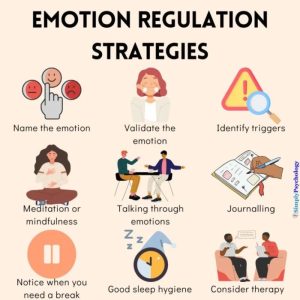
Emotional well-being plays a crucial role in maintaining motivation for fitness goals. When individuals are in a positive emotional state, they are more likely to stay committed to their workout routines and healthy habits.
Connection between Emotional Well-being and Fitness Motivation
Emotional health directly impacts an individual’s motivation to engage in physical activity. Positive emotions such as happiness, excitement, and contentment can boost energy levels and drive to exercise regularly. On the other hand, negative emotions like stress, anxiety, and depression can demotivate individuals, leading to inconsistency in their fitness journey.
Strategies for Managing Stress and Maintaining Mental Health
- Practice mindfulness and meditation to reduce stress levels and improve mental clarity.
- Engage in activities you enjoy outside of fitness to relax and unwind.
- Seek support from friends, family, or a mental health professional when feeling overwhelmed.
- Ensure you get an adequate amount of sleep to support emotional well-being.
Emotional Health’s Influence on Physical Fitness Outcomes
Emotional health can significantly impact physical fitness outcomes. Individuals with a positive emotional state tend to push themselves harder during workouts, leading to better results and faster progress. Conversely, those struggling with emotional issues may find it challenging to stay consistent in their fitness routine, hindering their overall fitness goals.
Health Motivation
Maintaining a healthy lifestyle requires consistent motivation to prioritize health and fitness goals. Understanding the different sources of motivation and how intrinsic and extrinsic factors can impact fitness habits is crucial for long-term success.
Sources of Motivation
- Internal Motivation: This comes from within and is driven by personal values, beliefs, and goals. It involves a genuine desire to be healthy and fit for oneself.
- External Motivation: This type of motivation comes from outside influences such as rewards, recognition, or social support. It can help boost motivation temporarily but may not be sustainable in the long run.
- Social Support: Surrounding yourself with supportive friends, family, or a community can provide encouragement and accountability, keeping you motivated to stick to your health and fitness routines.
Intrinsic and Extrinsic Motivation
- Intrinsic Motivation: When you are internally motivated to exercise or eat healthy because you enjoy the activity itself, you are more likely to maintain healthy habits in the long term.
- Extrinsic Motivation: External rewards or incentives, such as prizes or recognition, can provide a temporary boost in motivation. However, relying solely on external factors may not lead to sustainable lifestyle changes.
Tips for Staying Motivated
- Set Realistic Goals: Break down your health and fitness goals into smaller, achievable milestones to track your progress and stay motivated.
- Find What You Enjoy: Choose activities and healthy foods that you genuinely enjoy to make it easier to stay motivated and consistent.
- Reward Yourself: Celebrate your achievements along the way with non-food rewards to reinforce positive behaviors and keep motivation high.
- Stay Accountable: Share your goals with a friend or join a support group to stay accountable and motivated on your health journey.
Physical Activities
Regular physical activity is essential for maintaining overall fitness and well-being. Incorporating diverse physical activities into your routine can have numerous benefits for your health.
Importance of Diverse Workouts
- Varying your workouts helps prevent plateaus in fitness levels, ensuring continuous progress.
- Engaging in different types of physical activities challenges your body in new ways, leading to overall improvement in strength, endurance, and flexibility.
- Switching up your routine can also prevent boredom and keep you motivated to stay active.
Examples of Physical Activities
- Cardiovascular exercises: Running, cycling, swimming, or dancing to improve heart health and burn calories.
- Strength training: Weightlifting, bodyweight exercises, or resistance bands to build muscle and increase metabolism.
- Flexibility and balance: Yoga, Pilates, or tai chi to enhance mobility, coordination, and prevent injuries.
- High-intensity interval training (HIIT): Alternating between intense bursts of exercise and short rest periods for maximum calorie burn and cardiovascular benefits.
- Sports: Playing team sports or engaging in recreational activities like tennis, basketball, or soccer for a fun way to stay active and improve agility.
Health Awareness: Importance Of Motivation In Fitness
Raising awareness about health and fitness issues is crucial in today’s society to educate individuals about the importance of taking care of their well-being. By increasing awareness, people are more likely to make informed decisions that positively impact their overall health.
Role of Health Awareness Campaigns
Health awareness campaigns play a significant role in promoting positive lifestyle changes by providing information, resources, and support to individuals looking to improve their health and fitness. These campaigns often focus on raising awareness about specific health issues, encouraging preventive measures, and promoting healthy habits.
- Health awareness initiatives educate the public about the importance of regular exercise, balanced nutrition, and mental well-being, leading to increased motivation to adopt healthier habits.
- These campaigns aim to reduce the prevalence of lifestyle-related diseases by creating awareness about risk factors, symptoms, and preventive measures, empowering individuals to take control of their health.
- By highlighting the benefits of leading a healthy lifestyle, such as improved energy levels, better mood, and reduced risk of chronic conditions, health awareness initiatives inspire individuals to make positive changes in their daily routines.
Successful Health Awareness Initiatives
Several successful health awareness initiatives have had a significant impact on fitness behaviors and overall well-being:
- The “Move More, Sit Less” campaign encouraged individuals to increase physical activity levels and reduce sedentary behavior, leading to improved fitness and reduced risk of cardiovascular diseases.
- The “5 A Day” initiative promoted the consumption of five servings of fruits and vegetables daily, resulting in better nutrition choices and a lower incidence of obesity and related health issues.
- The “Stress Less, Live More” program focused on stress management techniques and mental health awareness, helping individuals cope better with daily challenges and improve their overall quality of life.
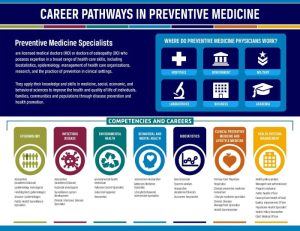
Preventive Medicine
Preventive medicine plays a crucial role in maintaining long-term fitness and well-being by focusing on avoiding health problems and injuries before they occur. By implementing preventive measures, individuals can proactively address potential health risks and maintain their fitness goals effectively.
Benefits of Preventive Medicine
- Regular health check-ups can help detect early signs of potential health issues, allowing for timely intervention and treatment.
- Immunizations and vaccinations can prevent various diseases, ensuring overall health and well-being.
- Healthy lifestyle choices, such as maintaining a balanced diet and regular exercise routine, can significantly reduce the risk of chronic diseases.
- Screening tests for conditions like high blood pressure, cholesterol levels, and diabetes can help individuals manage their health effectively.
Nutritional Counseling

Nutritional counseling plays a crucial role in optimizing fitness outcomes by providing individuals with personalized guidance on their dietary needs. This specialized form of support helps individuals make informed choices about their nutrition, leading to improved overall health and enhanced fitness performance.
Benefits of Nutritional Counseling
- Customized Meal Plans: Nutritional counseling offers personalized meal plans tailored to individual needs, ensuring the right balance of nutrients for optimal fitness results.
- Educational Support: Nutritionists provide valuable information on the importance of various food groups, portion sizes, and meal timing, empowering individuals to make healthier choices.
- Weight Management: Through nutritional counseling, individuals can receive guidance on managing their weight effectively, whether it’s for weight loss or muscle gain to support fitness goals.
- Improved Energy Levels: Proper nutrition can enhance energy levels, enabling individuals to perform better during workouts and recover faster post-exercise.
Seeking Professional Nutritional Counseling
When looking to support health and fitness goals through nutritional counseling, it is essential to seek guidance from qualified and experienced nutrition professionals. Here are some tips for finding the right support:
- Research Credentials: Look for nutritionists or dietitians with relevant certifications and credentials to ensure they have the expertise needed to provide accurate guidance.
- Personal Connection: Seek a nutrition professional with whom you feel comfortable discussing your dietary habits and fitness goals openly.
- Goal Alignment: Choose a nutritionist who understands your specific health and fitness objectives and can create a plan that aligns with your goals.
- Regular Monitoring: Opt for ongoing nutritional counseling sessions to track progress, make necessary adjustments, and stay motivated on your health and fitness journey.
Healthy Mind
Having a healthy mindset is essential for achieving success in your fitness journey. It plays a crucial role in maintaining motivation, staying focused, and overcoming obstacles along the way.
Positive thinking and self-care practices are key components of cultivating a healthy mind that can enhance your overall well-being. By adopting a positive outlook and taking care of your mental health, you can improve your resilience, reduce stress, and boost your confidence.
Mindfulness Techniques for a Healthy Mind in Fitness
- Practice deep breathing exercises to calm your mind and reduce anxiety.
- Engage in meditation to improve focus, concentration, and mental clarity.
- Use visualization techniques to visualize your fitness goals and stay motivated.
- Acknowledge and challenge negative thoughts to promote a positive mindset.
Question Bank
How does motivation impact fitness journey?
Motivation plays a crucial role in driving individuals towards their fitness goals, providing the necessary drive and determination to stay consistent and focused.
What are some examples of motivation driving consistency in fitness routines?
Examples include setting personal goals, finding a workout buddy for accountability, and celebrating small victories along the way to stay motivated.
How can motivation help in achieving fitness goals?
Motivation acts as the fuel that propels individuals towards their fitness goals, ensuring they stay committed and dedicated to their health and well-being.


More Stories