Healthy Snacks
When it comes to maintaining a healthy lifestyle, incorporating nutritious snacks into your daily routine is essential. Snacking can help keep your energy levels up, prevent overeating during meals, and provide important nutrients throughout the day.
Examples of Nutritious and Easy-to-Prepare Snacks:
- Fruit slices with nut butter
- Greek yogurt with berries and a sprinkle of granola
- Veggies with hummus or guacamole
- Homemade trail mix with nuts, seeds, and dried fruit
- Rice cakes with avocado and tomato
Importance of Incorporating Healthy Snacks:
Health coaching and personalized meal plans – Healthy snacks can help stabilize blood sugar levels, curb cravings, and provide a boost of energy when needed. By choosing nutrient-dense snacks, you can support your overall health and well-being.
Creative Ideas for Making Homemade Healthy Snacks:
- Baked kale chips seasoned with sea salt and nutritional yeast
- Energy balls made with dates, nuts, and cacao powder
- Sweet potato toast topped with almond butter and sliced bananas
- Cucumber and tuna bites with a squeeze of lemon juice
- Rice paper rolls filled with veggies and lean protein
Wellness Programs
Wellness programs are designed to promote overall health by focusing on various aspects of well-being, including physical, mental, and emotional health. These programs often incorporate elements such as exercise, nutrition, stress management, and mindfulness practices to help individuals achieve a balanced and healthy lifestyle.
Benefits of Wellness Programs
- Improved Physical Health: Wellness programs encourage regular exercise, healthy eating habits, and preventive health screenings, leading to improved physical fitness and overall well-being.
- Enhanced Mental Well-being: By incorporating stress management techniques, mindfulness practices, and mental health resources, wellness programs help individuals reduce anxiety, improve mood, and enhance mental clarity.
- Increased Productivity: Investing in employee wellness programs has been shown to boost productivity, reduce absenteeism, and improve job satisfaction among participants.
- Positive Lifestyle Changes: Wellness programs often provide education and resources to help individuals make sustainable lifestyle changes, leading to long-term health benefits and improved quality of life.
Success Stories
One success story involves Sarah, who participated in a corporate wellness program that offered fitness classes, nutrition coaching, and stress management workshops. After consistently following the program for several months, Sarah lost weight, reduced her stress levels, and reported feeling more energized and focused at work.
Another example is Mark, who joined a community wellness program focused on healthy eating and exercise. With the support of a health coach and personalized meal plans, Mark was able to lower his cholesterol levels, improve his fitness, and reduce his risk of developing chronic diseases.
Physical Therapy
Physical therapy plays a crucial role in improving mobility and aiding in the recovery process from injuries. Through a combination of exercises, manual therapy, and education, physical therapists help individuals regain strength, flexibility, and function in affected areas.
Common Physical Therapy Techniques
- Therapeutic exercises: Tailored exercises to improve strength, flexibility, and range of motion.
- Manual therapy: Hands-on techniques to alleviate pain, improve mobility, and enhance tissue flexibility.
- Ultrasound therapy: Use of high-frequency sound waves to promote healing and reduce inflammation.
- Electrical stimulation: Application of electrical currents to manage pain and stimulate muscle contractions.
- Heat and cold therapy: Utilization of temperature-based treatments to reduce pain and inflammation.
Incorporating Physical Therapy into a Fitness Routine
- Consult a physical therapist: Seek guidance on incorporating specific exercises and techniques into your routine.
- Consistency is key: Follow the prescribed exercises consistently to see improvements in mobility and function.
- Communication is crucial: Provide feedback to your physical therapist on progress and any discomfort experienced during exercises.
- Combine with other activities: Integrate physical therapy exercises with your regular fitness regimen to enhance overall performance and prevent injuries.
Health Coaching
Health coaching involves working with individuals to help them achieve their health goals through personalized guidance and support. A health coach plays a crucial role in empowering individuals to make positive lifestyle changes and improve their overall well-being.
Role of a Health Coach
- Provides personalized guidance based on individual health needs and goals
- Empowers individuals to take control of their health through education and support
- Helps individuals set realistic and achievable health goals
- Assists in creating personalized action plans for sustainable lifestyle changes
Benefits of Working with a Health Coach
- Receive personalized guidance and support tailored to individual needs
- Accountability and motivation to stay on track with health goals
- Educational resources and tools to make informed decisions about health
- Improved overall well-being and quality of life
Finding the Right Health Coach
- Research and evaluate the credentials and experience of potential health coaches
- Consider compatibility and communication style for a good fit
- Seek referrals from trusted sources or healthcare professionals
- Ensure the health coach specializes in specific health needs or goals
Medical Advancements
Medical advancements have played a crucial role in revolutionizing healthcare, leading to better treatment options and improved outcomes for patients. These advancements have not only enhanced the quality of life for individuals but have also paved the way for more effective preventive measures and early detection of diseases.
Robotic Surgery
Robotic surgery has significantly transformed the field of surgery by offering increased precision, flexibility, and control to surgeons. With the use of robotic-assisted technology, complex procedures can now be performed with minimal invasiveness, reduced pain, and quicker recovery times for patients.
Personalized Medicine
Personalized medicine is another breakthrough in medical advancements that tailors treatment plans to individual patients based on their genetic makeup, lifestyle factors, and specific health needs. This approach allows for more targeted therapies, minimizing adverse reactions and optimizing treatment effectiveness.
Telemedicine
Telemedicine has gained popularity in recent years, especially during the global pandemic, as it provides remote access to healthcare services through virtual consultations and digital monitoring. This advancement has improved patient convenience, accessibility to specialists, and timely interventions, particularly for individuals in rural or underserved areas.
Gene Editing
Gene editing technologies like CRISPR have opened new possibilities for treating genetic disorders and chronic diseases by targeting specific genes and modifying them. This innovative approach holds promise for developing curative treatments and advancing precision medicine in the future.
Artificial Intelligence
Artificial intelligence (AI) has been integrated into various healthcare applications, from diagnostic tools to predictive analytics, helping healthcare professionals make informed decisions and improve patient outcomes. AI algorithms can analyze vast amounts of data quickly, leading to faster diagnoses and personalized treatment plans.
Fitness Goals
Setting realistic fitness goals is crucial for long-term health benefits. It helps individuals stay focused, motivated, and accountable in their journey towards improved physical well-being. Achieving fitness goals can lead to increased energy levels, better overall health, and a reduced risk of chronic diseases.
Strategies for Staying Motivated and Accountable
- Establish a clear goal: Define specific, measurable, achievable, relevant, and time-bound (SMART) fitness goals to track progress effectively.
- Find a workout buddy: Partnering with a friend or joining group fitness classes can provide motivation and accountability.
- Reward yourself: Celebrate small achievements along the way to stay motivated and reinforce positive behavior.
- Create a schedule: Plan your workouts in advance and prioritize physical activity in your daily routine.
- Track your progress: Keep a workout journal or use fitness apps to monitor your performance and stay on track.
Connection Between Fitness Goals and Overall Well-being
Setting and achieving fitness goals can have a profound impact on overall well-being. Regular physical activity not only improves cardiovascular health, builds strength, and boosts endurance but also enhances mental health by reducing stress and anxiety. Additionally, reaching fitness milestones can boost self-confidence, promote better sleep, and increase longevity. Prioritizing fitness goals is a key component of a holistic approach to health and wellness.
Balanced Nutrition
When it comes to overall health, balanced nutrition plays a crucial role in ensuring that our bodies receive the necessary nutrients to function optimally. A balanced diet consists of a variety of foods that provide essential vitamins, minerals, and macronutrients to support our well-being.
Tips for Creating Balanced Meal Plans
Creating balanced meal plans that cater to individual dietary needs can be achieved by following these tips:
- Include a variety of fruits and vegetables in your meals to ensure you are getting a range of vitamins and minerals.
- Incorporate lean proteins such as poultry, fish, tofu, or legumes to support muscle growth and repair.
- Choose whole grains like quinoa, brown rice, or whole-wheat bread to provide fiber and sustained energy throughout the day.
- Limit processed foods, sugary drinks, and high-fat snacks to maintain a healthy weight and reduce the risk of chronic diseases.
- Stay hydrated by drinking plenty of water throughout the day to support digestion and overall health.
Importance of Maintaining a Balanced Diet
Maintaining a balanced diet is essential for optimal health because it ensures that our bodies receive the nutrients needed to function properly. A balanced diet can help prevent nutrient deficiencies, support a healthy weight, boost energy levels, and reduce the risk of chronic diseases such as heart disease, diabetes, and obesity.
Mental Strength
Building mental strength is essential for overall well-being. It plays a significant role in how we cope with stress, setbacks, and challenges in life. Mental resilience can impact our physical health, influencing our ability to maintain a healthy lifestyle and achieve our wellness goals.
Techniques for Building Mental Resilience
- Practice mindfulness and meditation to stay present and calm.
- Engage in regular physical activity to boost endorphins and reduce stress.
- Cultivate a strong support system of friends and family for emotional support.
- Set realistic goals and celebrate small victories along the way.
Impact of Mental Strength on Physical Health
- Reduced risk of chronic illnesses such as heart disease and diabetes.
- Improved immune function and faster recovery from illnesses.
- Better sleep quality and overall energy levels.
- Enhanced ability to stick to a balanced nutrition plan and fitness routine.
Yoga Practice
Regular yoga practice is highly beneficial for both physical and mental well-being. It helps improve flexibility, strength, posture, and overall fitness. Additionally, yoga promotes relaxation, reduces stress, and enhances mental clarity and focus.
Types of Yoga Practices and Their Benefits
- Hatha Yoga: Focuses on physical postures and breathing techniques, suitable for beginners and helps in improving flexibility and strength.
- Vinyasa Yoga: Involves flowing sequences of poses with synchronized breathing, great for enhancing cardiovascular health and overall stamina.
- Ashtanga Yoga: A more rigorous practice that involves a set series of poses to build strength, flexibility, and endurance.
- Bikram Yoga: Involves practicing yoga in a heated room to promote detoxification through sweating and increase flexibility.
Each type of yoga practice offers unique benefits, so it’s important to explore and find the style that resonates with you.
Tips for Beginners to Incorporate Yoga into Their Daily Routine
- Start with short sessions: Begin with 10-15 minute sessions and gradually increase the duration as you become more comfortable.
- Find a quiet space: Create a peaceful environment free from distractions to enhance your yoga practice.
- Listen to your body: Pay attention to how your body feels during each pose and modify as needed to prevent injury.
- Be consistent: Aim to practice yoga regularly to experience its full benefits and progress in your practice.
Health Education
Health education plays a crucial role in empowering individuals to make informed decisions about their well-being. By providing access to reliable health information and education, people can better understand how to take care of their bodies and prevent potential health issues.
Importance of Health Education
- Health education helps individuals develop the knowledge and skills needed to make healthy choices in their daily lives.
- It promotes a better understanding of the importance of preventive healthcare measures, leading to early detection and effective management of health conditions.
- By educating people on various aspects of wellness, such as nutrition, physical activity, and mental health, health education contributes to overall well-being and quality of life.
Accessing Reliable Health Information
- Reliable sources for health information include government websites, reputable health organizations, and healthcare professionals.
- Online platforms like WebMD, Mayo Clinic, and the CDC offer valuable resources for accessing accurate and up-to-date health information.
- Consulting with healthcare providers and registered dietitians can also help individuals obtain personalized health education tailored to their specific needs.
Role of Health Education in Preventive Healthcare
- Health education plays a key role in promoting preventive healthcare practices, such as regular screenings, vaccinations, and healthy lifestyle choices.
- By raising awareness about the importance of preventive measures, health education helps individuals take proactive steps to maintain their health and well-being.
- Educating the public on risk factors for common diseases and conditions empowers individuals to make lifestyle changes that can reduce their chances of developing health issues.
Weight Management
Maintaining a healthy weight is crucial for overall health and well-being. Effective weight management strategies not only help in achieving physical fitness goals but also contribute to mental strength and overall quality of life. Let’s explore some key aspects of weight management and its impact on health.
Importance of Weight Management
Proper weight management plays a significant role in reducing the risk of chronic diseases such as heart conditions, diabetes, and hypertension. It also boosts energy levels, improves mood, and enhances self-confidence.
Strategies for Effective Weight Management
- Adopting a balanced nutrition plan tailored to individual needs.
- Incorporating regular physical activity into daily routine.
- Setting realistic and achievable weight loss goals.
- Maintaining consistency and patience in the weight loss journey.
Impact of Weight Management on Overall Health
- Improved cardiovascular health and reduced risk of heart disease.
- Better management of blood sugar levels and reduced risk of diabetes.
- Enhanced mobility, flexibility, and joint health.
Success Stories in Weight Management
“I started my weight management journey with the guidance of a health coach and personalized meal plans. Through dedication and perseverance, I was able to achieve my weight loss goals and enhance my overall well-being.”
“By prioritizing balanced nutrition and regular exercise, I not only reached a healthy weight but also experienced a positive transformation in my physical and mental health.”
Health Checkups
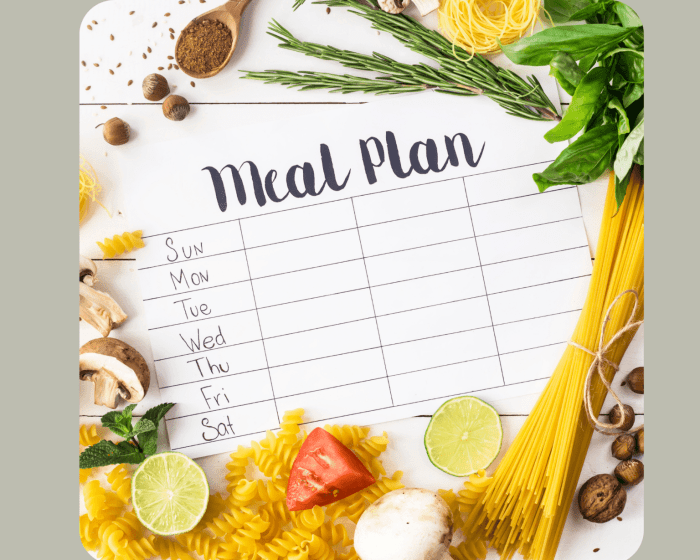
Regular health checkups are essential for maintaining overall well-being and detecting any potential health issues at an early stage. These routine appointments can help in preventing serious health conditions and ensuring timely interventions if needed.
Key Health Screenings
- For Children and Adolescents: Regular vaccinations, growth monitoring, vision and hearing tests, and dental checkups are crucial.
- For Adults: Blood pressure, cholesterol levels, diabetes screening, and cancer screenings such as mammograms and colonoscopies are recommended.
- For Seniors: Bone density tests, cognitive assessments, and screenings for conditions like osteoporosis and Alzheimer’s should be included.
Scheduling and Preparation Tips
- Book appointments in advance to ensure availability and avoid last-minute rush.
- Make a list of any symptoms or concerns you want to discuss with your healthcare provider.
- Bring along a list of medications you are currently taking, including vitamins and supplements.
- Wear comfortable clothing and avoid heavy meals before tests that require fasting.
- Stay hydrated and get a good night’s sleep before the checkup to ensure accurate results.
Skin Health
Maintaining healthy skin is essential for overall well-being as it plays a crucial role in protecting our body from external elements and regulating body temperature. Our skin reflects our internal health, and taking care of it can have a significant impact on our overall appearance and confidence.
Common Skin Conditions and Tips
- Acne: A common skin condition that can be managed with a consistent skincare routine, including gentle cleansing and avoiding harsh products.
- Eczema: Characterized by red, itchy patches on the skin, it is important to moisturize regularly and identify triggers to manage flare-ups.
- Psoriasis: An autoimmune condition causing red, scaly patches, it is essential to follow a treatment plan prescribed by a dermatologist.
Skincare Routines and Products
- Cleansing: Use a gentle cleanser suitable for your skin type to remove dirt and impurities without stripping natural oils.
- Moisturizing: Hydrate your skin with a moisturizer that suits your skin type to maintain its elasticity and prevent dryness.
- Sun Protection: Apply sunscreen daily to protect your skin from harmful UV rays and prevent premature aging.
Emotional Health
Emotional health plays a crucial role in overall well-being, as it directly impacts how we think, feel, and act. It involves the ability to manage stress, maintain healthy relationships, and cope with challenges effectively.
Strategies for Managing Emotions
- Practice mindfulness: Engaging in activities like meditation or deep breathing can help improve self-awareness and reduce stress levels.
- Journaling: Writing down thoughts and feelings can provide a sense of clarity and release pent-up emotions.
- Seek support: Talking to a therapist, counselor, or trusted individual can offer valuable insights and guidance on emotional well-being.
Activities that Support Emotional Health
- Exercise regularly: Physical activity releases endorphins, which can help boost mood and reduce symptoms of anxiety and depression.
- Engage in hobbies: Pursuing activities you enjoy can provide a sense of fulfillment and distraction from negative emotions.
- Connect with others: Building and nurturing relationships with friends and family can offer support and a sense of belonging.
Health Motivation
When it comes to achieving health and wellness goals, motivation plays a crucial role in keeping us on track and pushing us forward. It serves as the driving force behind our actions and decisions towards a healthier lifestyle.
The Power of Motivation
Staying motivated on a health journey can be challenging, but there are strategies that can help maintain that drive and focus. Here are some key points to consider:
- Set Clear Goals: Establish specific and achievable health goals to work towards.
- Find Inspiration: Surround yourself with positive influences and role models who motivate you to stay committed.
- Reward Yourself: Celebrate small victories along the way to keep yourself motivated and encouraged.
- Track Your Progress: Monitoring your improvements can boost motivation and help you stay on course.
- Stay Consistent: Develop healthy habits and routines that support your overall well-being.
Personal Stories of Motivation
Many individuals have overcome challenges and stayed motivated on their health journey. Here are some inspiring personal stories:
“After facing a health scare, I decided to prioritize my well-being by incorporating regular exercise and balanced nutrition into my daily routine. Despite the obstacles, I stayed motivated by focusing on the positive changes I was making for my health.”
“Through consistent mindfulness practices and support from loved ones, I was able to overcome emotional hurdles and stay motivated to improve my mental and emotional health. It was a journey of self-discovery and growth that I am grateful for.”
Physical Activities
Regular physical activity is essential for maintaining overall health and well-being. It not only helps in improving physical fitness but also has numerous benefits for mental health, weight management, and disease prevention.
Physical activities come in various forms, including cardiovascular exercises, strength training, flexibility exercises, and recreational activities. Each type of activity offers unique benefits such as improved cardiovascular health, muscle strength, flexibility, and stress relief.
Cardiovascular Exercises
- Running or jogging helps in improving heart health and burning calories.
- Cycling is a low-impact exercise that strengthens leg muscles and improves stamina.
- Swimming is a full-body workout that enhances cardiovascular fitness and muscle tone.
Strength Training
- Lifting weights or using resistance bands builds muscle mass and increases metabolism.
- Bodyweight exercises like push-ups and squats improve overall strength and endurance.
- Pilates and yoga enhance core strength, flexibility, and posture.
Flexibility Exercises
- Stretching exercises improve flexibility, reduce the risk of injuries, and enhance range of motion.
- Yoga and tai chi help in relaxation, stress reduction, and improved balance.
Recreational Activities
- Hiking, dancing, and playing sports are fun ways to stay active and socialize.
- Gardening and house chores provide physical activity while completing daily tasks.
Incorporating physical activities into daily routines can be as simple as taking the stairs instead of the elevator, going for a walk during lunch breaks, or scheduling workout sessions in the morning or evening. Finding activities that you enjoy and making them a part of your lifestyle can make staying active easier and more enjoyable.
Health Awareness
Raising awareness about various health issues is crucial in promoting overall well-being and preventing diseases. By educating individuals and communities about the importance of healthy living, early detection of illnesses, and access to healthcare services, we can empower people to make informed decisions about their health.
Significance of Health Awareness
Increasing health awareness can lead to a range of positive outcomes, including:
- Empowering individuals to take charge of their health and well-being.
- Promoting healthy lifestyle choices and behaviors.
- Encouraging regular health check-ups and screenings for early detection of diseases.
- Reducing stigma and misinformation surrounding certain health conditions.
Resources for Increasing Health Awareness
There are various resources available for promoting health awareness in communities, such as:
- Health education programs in schools, workplaces, and community centers.
- Online platforms and websites offering reliable information on health topics.
- Collaborations with healthcare professionals and organizations to conduct awareness campaigns.
- Utilizing social media and other digital platforms to reach a wider audience.
Impact of Health Awareness Campaigns
Health awareness campaigns play a significant role in improving public health outcomes by:
- Increasing knowledge and understanding of health issues among the population.
- Promoting preventive measures and healthy behaviors to reduce the risk of diseases.
- Encouraging individuals to seek timely medical care and screenings.
- Fostering a culture of health-conscious communities that support one another in achieving wellness goals.
Preventive Medicine
Preventive medicine focuses on identifying and addressing risk factors early on to prevent the development of diseases and promote overall health. By taking proactive measures, individuals can reduce the likelihood of developing certain conditions and improve their quality of life.
Importance of Preventive Screenings and Vaccinations
Regular preventive screenings, such as blood pressure checks, cholesterol tests, and cancer screenings, can help detect potential health issues before they become serious. Vaccinations are also crucial in preventing infectious diseases and protecting both individuals and communities from outbreaks.
- Screenings and vaccinations can help catch diseases early when they are more treatable.
- Preventive measures can reduce healthcare costs in the long run by preventing expensive treatments for advanced diseases.
- Regular screenings and vaccinations can improve overall well-being and longevity.
Tips for Incorporating Preventive Medicine Practices, Health coaching and personalized meal plans
It’s essential to make preventive health a priority in daily life to maintain optimal wellness. Here are some tips for incorporating preventive medicine practices into your routine:
- Stay up to date on recommended screenings and vaccinations based on your age, gender, and family medical history.
- Adopt a healthy lifestyle with regular exercise, balanced nutrition, and adequate sleep.
- Avoid harmful habits such as smoking and excessive alcohol consumption.
- Manage stress through relaxation techniques like meditation, yoga, or deep breathing exercises.
- Stay informed about health guidelines and recommendations from healthcare professionals.
Nutritional Counseling: Health Coaching And Personalized Meal Plans
Nutritional counseling plays a crucial role in promoting healthy eating habits by providing individuals with personalized guidance and support to make informed choices about their diet. By working with a nutritionist, individuals can receive tailored meal plans that cater to their specific dietary needs and goals, leading to better overall health and well-being.
Benefits of Nutritional Counseling
- Customized Meal Plans: Nutritionists can create personalized meal plans based on individual preferences, dietary restrictions, and health objectives.
- Educational Support: Nutritional counselors offer valuable information on nutrition, portion control, food labels, and healthy cooking techniques.
- Behavioral Changes: Working with a nutritionist can help individuals develop sustainable habits and overcome barriers to healthy eating.
- Health Monitoring: Nutritionists can track progress, make adjustments to meal plans, and provide ongoing support to ensure long-term success.
Tips for Finding a Qualified Nutritional Counselor
- Credentials: Look for a nutritionist with relevant certifications, such as Registered Dietitian (RD) or Certified Nutrition Specialist (CNS).
- Experience: Choose a counselor with experience in dealing with your specific health concerns or dietary preferences.
- Communication Style: Find a counselor who listens to your needs, offers practical advice, and supports your individual journey towards better health.
- Cost and Availability: Consider the fees, insurance coverage, and scheduling options to ensure that the counselor’s services are accessible and affordable for you.
Healthy Mind
Maintaining a healthy mind is crucial for overall well-being. A healthy mind can positively impact our emotions, behaviors, and cognitive abilities. It is essential to explore the connection between mental wellness and our overall health.
Discussing strategies for promoting mental wellness and cognitive health is important. Engaging in activities like meditation, mindfulness practices, and brain exercises can help in reducing stress, improving focus, and enhancing cognitive function.
Activities for a Healthy Mind
- Practice meditation daily to calm the mind and reduce stress levels.
- Engage in regular physical exercise to boost mood and improve mental clarity.
- Challenge your brain with puzzles, crosswords, or learning a new skill to enhance cognitive function.
- Cultivate a positive mindset through gratitude journaling and affirmations.
Essential Questionnaire
How can health coaching benefit me?
Health coaching provides personalized guidance and support to help individuals achieve their health goals effectively.
What is the importance of personalized meal plans?
Personalized meal plans cater to individual dietary needs, ensuring a balanced nutrition intake that supports overall health.
How do I find the right health coach?
Look for a health coach who aligns with your specific health needs and goals, ensuring a tailored approach to your well-being journey.


More Stories
Online Nutritional Counseling Services: Your Path to Healthier Living
Preventive medicine and community health programs: Enhancing Wellness Together
Health motivation and long-term success: Achieving Your Goals for a Healthier Future