Introduction to Physical Therapy for Mobility Improvement
Physical therapy for mobility improvement – Physical therapy plays a crucial role in helping individuals improve their mobility and regain strength and function. By incorporating targeted exercises and techniques, physical therapy aims to enhance overall quality of life.
Definition of Physical Therapy
Physical therapy, also known as physiotherapy, involves the use of evidence-based practices to assess, diagnose, and treat individuals who have medical conditions or injuries that limit their ability to move and function effectively.
Importance of Mobility for Overall Health
Mobility is essential for maintaining independence, participating in daily activities, and preventing secondary health issues. It contributes to improved cardiovascular health, muscle strength, flexibility, and overall well-being.
Role of Physical Therapy in Improving Mobility
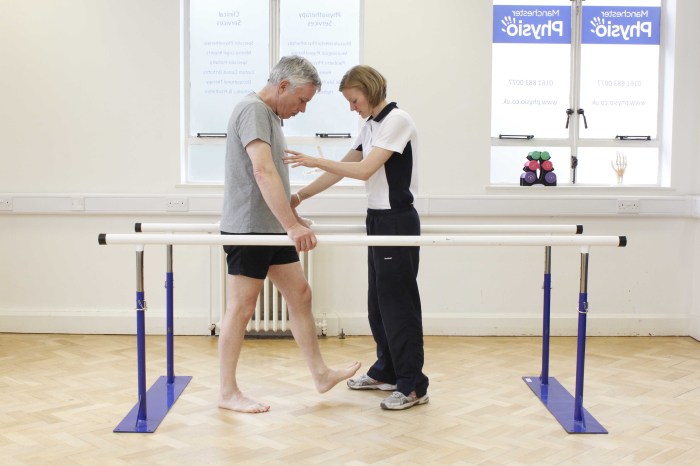
- Physical therapy utilizes various exercises, manual techniques, and modalities to address musculoskeletal impairments and enhance range of motion.
- Therapists create personalized treatment plans to target specific mobility goals and address individual needs.
- Through consistent therapy sessions, individuals can gradually improve their strength, balance, coordination, and endurance.
- Physical therapy also focuses on pain management, optimizing functional abilities, and promoting safe movement patterns to prevent future injuries.
Benefits of Physical Therapy for Mobility Improvement
Physical therapy can offer a wide range of benefits for individuals looking to improve their mobility. Some of the potential benefits include:
Improved Strength and Flexibility
- Physical therapy exercises can help strengthen muscles and increase flexibility, leading to improved range of motion.
- By targeting specific muscle groups, physical therapy can address weakness or tightness that may be impacting mobility.
Pain Management, Physical therapy for mobility improvement
- Through targeted exercises and techniques, physical therapy can help reduce pain associated with mobility issues.
- Physical therapists can also provide guidance on proper body mechanics to prevent further pain or injury.
Enhanced Balance and Coordination
- Physical therapy can focus on exercises that improve balance and coordination, reducing the risk of falls and increasing stability.
- These exercises can help individuals feel more confident in their movements and activities of daily living.
Customized Treatment Plans
- Physical therapists can create personalized treatment plans tailored to each individual’s specific needs and goals.
- These plans can be adjusted as progress is made, ensuring ongoing improvement in mobility.
Compared to Other Treatments
Physical therapy stands out as a non-invasive and drug-free approach to improving mobility, focusing on long-term solutions rather than just symptom management. While medications or surgery may be necessary in some cases, physical therapy offers a holistic approach that addresses the root causes of mobility issues.
In physical therapy sessions, various exercises and techniques may be utilized to improve mobility, such as:
– Range of motion exercises
– Strengthening exercises
– Balance exercises
– Stretching techniques
– Gait training
Overall, physical therapy can play a crucial role in enhancing mobility, promoting independence, and improving overall quality of life for individuals seeking to regain or maintain their mobility.
Role of Healthy Snacks in Supporting Physical Therapy

Eating nutritious snacks plays a crucial role in supporting physical therapy by providing the necessary fuel and nutrients for the recovery process. These healthy snacks can have a significant impact on energy levels, muscle recovery, and overall mobility improvement.
Significance of Nutrition in the Recovery Process
Nutrition is essential for the body to heal and repair itself during physical therapy. Eating a balanced diet that includes healthy snacks ensures that the body has the nutrients it needs to recover from workouts, reduce inflammation, and build strength.
Impact of Healthy Snacks on Energy Levels and Muscle Recovery
Healthy snacks rich in carbohydrates, proteins, and healthy fats can help replenish energy levels and support muscle recovery. Carbohydrates provide a quick source of energy, while proteins aid in muscle repair and growth. Healthy fats help reduce inflammation and support overall body function.
Examples of Nutritious Snacks for Mobility Improvement
– Greek yogurt with berries and granola
– Almond butter on whole grain crackers
– Trail mix with nuts, seeds, and dried fruits
– Hummus with vegetable sticks
– Apple slices with peanut butter
– Cottage cheese with pineapple chunks
Wellness Programs Complementing Physical Therapy
Physical therapy is crucial for improving mobility, but when combined with wellness programs, the results can be even more significant. These programs focus on overall well-being and can enhance the effects of physical therapy for mobility by addressing other aspects of health.
Yoga and Pilates
- Yoga and Pilates are excellent wellness programs that complement physical therapy for mobility improvement.
- They focus on flexibility, strength, balance, and coordination, which are all essential for better mobility.
- Practicing yoga or Pilates can help individuals progress faster in their physical therapy sessions and maintain their mobility gains.
Nutrition Counseling
- Nutrition plays a significant role in overall health and can impact the results of physical therapy for mobility improvement.
- Consulting with a nutritionist can help individuals understand how their diet affects their mobility and overall well-being.
- Eating a balanced diet rich in nutrients can support the body’s healing process and enhance the benefits of physical therapy.
Mental Health Support
- Wellness programs that focus on mental health, such as counseling or mindfulness practices, can complement physical therapy for mobility improvement.
- Mental well-being is closely linked to physical health, and addressing any psychological barriers can lead to better outcomes in physical therapy.
- Reducing stress and anxiety through mindfulness techniques can improve overall mobility and quality of life.
Health Coaching for Motivating Physical Therapy Patients
Health coaches play a crucial role in supporting individuals undergoing physical therapy by providing motivation and guidance throughout their rehabilitation journey. These professionals are trained to help patients set realistic goals, stay accountable, and make positive lifestyle changes to improve their overall well-being.
Benefits of Health Coaching in Physical Therapy
- Health coaches help patients stay motivated and committed to their mobility goals by providing continuous support and encouragement.
- They work closely with patients to identify barriers to progress and develop strategies to overcome them, enhancing treatment outcomes.
- Health coaching promotes a holistic approach to healing, focusing on not just the physical aspect but also mental and emotional well-being.
Success Stories of Patients Benefiting from Health Coaching
“After incorporating health coaching into my physical therapy sessions, I felt more empowered and motivated to push through the challenges. My coach helped me stay on track and celebrate even small victories, making the whole process more rewarding.”
“With the guidance of my health coach, I was able to adopt healthier habits that complemented my physical therapy exercises. This holistic approach not only improved my mobility but also boosted my overall quality of life.”
Latest Medical Advancements in Physical Therapy for Mobility Improvement
Physical therapy for mobility improvement has seen significant advancements in recent years, thanks to breakthroughs in technology and innovative techniques. These advancements have revolutionized the field of physical therapy, offering new possibilities and improved outcomes for patients seeking to enhance their mobility.
Use of Virtual Reality in Physical Therapy
Virtual reality (VR) technology has emerged as a game-changer in physical therapy for mobility improvement. By immersing patients in simulated environments and activities, VR therapy helps enhance motor skills, balance, and overall mobility. Patients can engage in interactive exercises that are both fun and effective, leading to faster progress and better results.
Robot-Assisted Therapy for Rehabilitation
Robot-assisted therapy is another cutting-edge advancement that is transforming the way physical therapy is delivered. Robots equipped with sensors and algorithms can provide precise and targeted assistance to patients during rehabilitation exercises. This technology enables therapists to customize treatment plans, track progress more accurately, and offer personalized care to individuals with mobility issues.
Biofeedback Techniques for Muscle Activation
Recent advancements in biofeedback techniques have enabled physical therapists to monitor muscle activity in real-time and provide immediate feedback to patients. By using sensors and specialized equipment, therapists can help patients improve their muscle activation patterns, leading to enhanced mobility and functional abilities. Biofeedback techniques have proven to be effective in optimizing movement patterns and promoting better overall mobility.
Setting and Achieving Fitness Goals through Physical Therapy
Physical therapy plays a crucial role in helping individuals set and achieve fitness goals that are tailored to their specific needs and abilities. By working closely with a physical therapist, patients can develop realistic and achievable objectives to improve their mobility and overall physical well-being.
Strategies in Physical Therapy to Help Patients Achieve Mobility Objectives
- Individualized Treatment Plans: Physical therapists create personalized treatment plans based on the patient’s current mobility level, limitations, and goals.
- Progressive Exercises: Patients are guided through a series of exercises that gradually increase in intensity to improve strength, flexibility, and balance.
- Education and Support: Therapists educate patients on proper body mechanics, ergonomics, and lifestyle modifications to support their mobility goals.
- Monitoring and Adjustments: Regular monitoring of progress allows therapists to make necessary adjustments to the treatment plan to ensure optimal outcomes.
Tips for Maintaining Fitness Goals Post-Physical Therapy
- Consistent Exercise Routine: Continue with the exercises and activities learned during physical therapy to maintain strength and flexibility.
- Healthy Lifestyle Choices: Focus on maintaining a balanced diet, staying hydrated, getting enough rest, and managing stress to support overall well-being.
- Regular Follow-Ups: Schedule periodic follow-up appointments with a physical therapist to track progress, address any concerns, and make adjustments as needed.
- Set New Goals: As previous fitness goals are achieved, work with a therapist to set new objectives to continue progressing and staying motivated.
Importance of Balanced Nutrition in Conjunction with Physical Therapy
Proper nutrition plays a vital role in supporting the effectiveness of physical therapy for improving mobility. A balanced diet provides the necessary nutrients to fuel the body, aid in recovery, and enhance overall health outcomes.
Guidelines for Maintaining a Balanced Diet to Support Mobility Improvement
When undergoing physical therapy for mobility improvement, it is essential to focus on consuming a variety of nutrient-rich foods. Include a balance of carbohydrates, proteins, healthy fats, vitamins, and minerals in your daily meals. Opt for whole foods such as fruits, vegetables, lean proteins, whole grains, and dairy products to ensure you are meeting your nutritional needs.
Impact of Nutrition on the Recovery Process and Overall Health Outcomes
Nutrition plays a significant role in the recovery process, as it helps in repairing and rebuilding tissues, muscles, and bones. Adequate intake of nutrients such as protein, vitamins, and minerals can speed up recovery, reduce inflammation, and improve overall strength and energy levels. A balanced diet not only supports mobility improvement but also contributes to better overall health and well-being.
Enhancing Mental Strength through Physical Therapy
Physical therapy goes beyond just physical rehabilitation; it also plays a crucial role in enhancing mental strength. The connection between mental health and physical therapy for mobility improvement is significant as it addresses the overall well-being of an individual. Let’s explore how physical therapy can boost mental resilience and motivation, along with the psychological benefits it offers.
Techniques to Boost Mental Resilience and Motivation
- Goal Setting: Physical therapists help patients set realistic and achievable goals, which can enhance motivation and provide a sense of accomplishment.
- Positive Reinforcement: Encouragement and positive feedback during physical therapy sessions can uplift the mood and boost confidence.
- Visualization: Visualizing successful outcomes and progress can help patients stay motivated and focused on their rehabilitation journey.
- Mindfulness Practices: Techniques like deep breathing, meditation, and mindfulness can reduce stress, anxiety, and improve mental clarity.
Psychological Benefits of Physical Therapy
- Stress Reduction: Engaging in physical therapy can help reduce stress levels and promote relaxation, leading to a more positive outlook on life.
- Improved Self-Esteem: Achieving mobility goals and making progress in physical therapy can boost self-esteem and confidence.
- Mood Enhancement: Physical activity releases endorphins, which are known as “feel-good” hormones, improving mood and overall mental well-being.
- Coping Skills Development: Patients learn valuable coping mechanisms through physical therapy, helping them deal with challenges in a more resilient manner.
Incorporating Yoga Practice in Physical Therapy for Mobility
Yoga can be a valuable addition to traditional physical therapy for improving mobility. It offers a holistic approach by focusing on flexibility, balance, and strength, which are essential components for enhancing overall mobility and function.
Benefits of Yoga in Improving Flexibility, Balance, and Strength
- Yoga helps increase flexibility by stretching and lengthening muscles, tendons, and ligaments, promoting a wider range of motion in joints.
- It enhances balance through various poses that challenge stability and coordination, reducing the risk of falls and improving body awareness.
- Yoga builds strength by engaging different muscle groups in a controlled manner, leading to improved muscle tone and endurance.
Examples of Yoga Poses or Sequences Supporting Mobility Goals
- Warrior II Pose: This pose strengthens the legs, opens the hips, and improves balance, benefiting mobility in the lower body.
- Tree Pose: By focusing on balance and stability, this pose helps enhance proprioception and strengthen the core, supporting overall mobility.
- Downward-Facing Dog: This pose stretches the hamstrings, calves, and shoulders, promoting flexibility in the posterior chain and upper body mobility.
Educating Patients on Health and Wellness during Physical Therapy
Health education plays a crucial role in empowering patients undergoing physical therapy by providing them with the knowledge and tools necessary to take control of their own health and well-being. By educating patients on lifestyle changes that can support mobility improvement, physical therapists can help individuals make lasting changes that go beyond the duration of therapy sessions.
The Role of Health Education in Empowering Patients
Health education during physical therapy sessions involves providing patients with information on the importance of regular exercise, proper nutrition, and overall wellness practices. By understanding how these factors impact their mobility and overall health, patients can make informed decisions to improve their well-being.
Lifestyle Changes to Support Mobility Improvement
- Encouraging regular physical activity, such as daily walks or stretching exercises, to maintain strength and flexibility.
- Emphasizing the importance of a balanced diet rich in nutrients to support muscle recovery and overall health.
- Discussing the benefits of stress management techniques, such as meditation or deep breathing exercises, to enhance mental well-being.
Resources for Maintaining a Healthy Lifestyle Post-Therapy
- Providing patients with exercise routines or guides to continue their fitness journey independently.
- Offering nutritional tips and meal plans to help individuals sustain healthy eating habits.
- Suggesting wellness apps or online communities for ongoing support and motivation beyond therapy sessions.
Strategies for Weight Management in Relation to Mobility Improvement
Maintaining a healthy weight is crucial for improving mobility and overall physical well-being. Excess weight puts added stress on joints and muscles, making it harder to move comfortably. Physical therapy plays a vital role in weight management by providing tailored exercises and guidance to help individuals reach their mobility goals.
Importance of Balanced Nutrition
- Focus on consuming whole foods rich in nutrients to support your body during physical therapy.
- Avoid processed foods high in sugar, salt, and unhealthy fats that can contribute to weight gain.
- Consult with a nutritionist to create a meal plan that aligns with your weight management and mobility goals.
Regular Exercise Routine
- Incorporate a variety of exercises, including cardio, strength training, and flexibility exercises, to support weight loss and improve mobility.
- Work closely with your physical therapist to develop a personalized exercise plan that addresses your specific needs and abilities.
- Stay consistent with your exercise routine to see gradual improvements in both weight management and mobility.
Behavioral Changes and Support
- Identify triggers that lead to unhealthy eating habits and work on strategies to address them effectively.
- Join support groups or seek the guidance of a therapist to address emotional eating patterns that may hinder weight management progress.
- Celebrate small victories along the way to stay motivated and committed to your weight management journey.
Success Stories
“After committing to a regular exercise routine and following a balanced meal plan recommended by my nutritionist, I was able to shed excess weight and improve my mobility significantly. Physical therapy played a crucial role in guiding me through the process and keeping me motivated.”
“By making simple but sustainable changes to my lifestyle, I not only achieved my weight loss goals but also regained the ability to move freely and without pain. The combination of physical therapy and weight management strategies truly transformed my life.”
Importance of Regular Health Checkups in Physical Therapy
Regular health checkups play a crucial role in the success of individuals undergoing physical therapy. These checkups not only monitor progress but also help prevent potential setbacks by identifying any underlying health issues that may hinder recovery.
Significance of Health Checkups in Physical Therapy
Health checkups are essential as they provide a baseline for measuring improvement throughout the therapy process. They allow healthcare professionals to track changes in the patient’s overall health, mobility, and functionality. By detecting any adverse developments early on, adjustments can be made to the treatment plan to ensure optimal outcomes.
- Regular monitoring of vital signs
- Evaluation of muscle strength and flexibility
- Assessment of pain levels and range of motion
- Screening for potential risk factors
Incorporating Health Checkups into Therapy Plan
Integrating health checkups into a comprehensive therapy plan involves scheduling regular appointments with healthcare providers. These checkups should be coordinated with the physical therapy sessions to ensure a holistic approach to the patient’s well-being. By aligning medical assessments with therapeutic interventions, individuals can experience a more cohesive and effective treatment experience.
- Collaboration between healthcare professionals
- Consistent communication regarding progress and adjustments
- Shared goal-setting based on checkup results
Skincare Tips for Physical Therapy Patients
Maintaining healthy skin is crucial for individuals undergoing physical therapy to prevent skin issues and ensure overall well-being during the treatment process. Here are some skincare tips tailored specifically for physical therapy patients:
Importance of Skincare Routines
Establishing a consistent skincare routine is essential for physical therapy patients to prevent skin irritation or breakdown, especially for those who may be immobile or spending extended periods in one position. Regular cleansing and moisturizing can help maintain skin integrity and prevent complications.
Recommendations for Skincare Products
- Use gentle, fragrance-free cleansers to avoid irritation.
- Choose moisturizers with hydrating ingredients like hyaluronic acid or ceramides to keep the skin nourished.
- Consider using barrier creams or ointments in areas prone to pressure sores or friction.
- Opt for sunscreen with broad-spectrum protection to shield the skin from UV damage, especially if outdoor activities are part of the therapy regimen.
Addressing Emotional Health during Physical Therapy
Emotional well-being plays a crucial role in the success of physical rehabilitation and mobility improvement. The mental state of patients can greatly impact their physical progress and overall quality of life during therapy.
Impact of Emotional Well-being on Physical Rehabilitation
Emotional well-being directly affects a patient’s motivation, commitment, and perseverance during physical therapy. Positive emotions can enhance recovery rates and outcomes, while negative emotions can hinder progress and even lead to treatment discontinuation. It is essential for therapists to address the emotional aspect of rehabilitation to ensure holistic healing.
- Patients who are emotionally stable and motivated tend to adhere to their therapy routines more consistently, leading to better results.
- Conversely, patients experiencing anxiety, depression, or stress may struggle with compliance and may not fully benefit from the physical therapy interventions.
- Emotional well-being can also influence pain perception, resilience, and overall functional improvement in patients undergoing rehabilitation.
Strategies for Addressing Emotional Challenges in Physical Therapy
Physical therapists employ various strategies to support patients in managing their emotional well-being throughout the rehabilitation process. These strategies may include:
- Establishing open communication channels to allow patients to express their feelings, fears, and concerns.
- Providing positive reinforcement and encouragement to boost patient morale and motivation.
- Teaching relaxation techniques, mindfulness practices, and stress management skills to help patients cope with emotional distress.
- Collaborating with mental health professionals or counselors to address underlying psychological issues that may be affecting the patient’s progress.
Success Stories of Overcoming Emotional Barriers
There are numerous inspiring stories of individuals who have overcome significant emotional barriers through physical therapy. These success stories demonstrate the transformative power of addressing emotional health in conjunction with physical rehabilitation. Patients who have conquered their emotional challenges often emerge stronger, more resilient, and better equipped to navigate life’s obstacles.
One such success story is that of a patient who initially struggled with fear and anxiety following a serious injury but, with the support of a dedicated physical therapist, gradually regained confidence, resilience, and mobility.
Another remarkable example is a patient who battled depression and low self-esteem due to chronic pain but, through consistent therapy and emotional support, experienced a remarkable improvement in both physical and mental well-being.
Staying Motivated for Health and Mobility Goals
Maintaining motivation throughout the physical therapy process is crucial for achieving health and mobility goals. A positive mindset can significantly impact progress and outcomes. Let’s explore some tips to stay motivated and inspired on the journey to better health.
Importance of a Positive Mindset
- Believe in yourself and your ability to improve.
- Focus on progress, no matter how small, rather than perfection.
- Visualize yourself reaching your health and mobility goals.
- Stay optimistic and remind yourself of the benefits of achieving your goals.
Motivational Quotes to Inspire
“Success is not the key to happiness. Happiness is the key to success. If you love what you are doing, you will be successful.” – Albert Schweitzer
“The only way to do great work is to love what you do.” – Steve Jobs
“Believe you can and you’re halfway there.” – Theodore Roosevelt
Engaging in Physical Activities Beyond Therapy
Regular physical activity plays a crucial role in maintaining overall health and well-being. Engaging in physical activities beyond scheduled therapy sessions can further support mobility improvement and enhance the benefits gained from therapy.
Benefits of Engaging in Physical Activities Outside of Therapy
- Improves cardiovascular health and endurance
- Enhances muscle strength and flexibility
- Boosts mood and mental well-being
- Aids in weight management and overall fitness
Examples of Activities Supporting Mobility Improvement
- Swimming or water aerobics to reduce impact on joints
- Walking or hiking to improve cardiovascular fitness
- Biking or cycling for lower body strength
- Pilates or yoga for core stability and flexibility
Importance of Maintaining an Active Lifestyle Post-Therapy
Regular physical activity post-therapy is essential for sustaining the progress achieved during therapy sessions. It helps in preventing mobility issues from recurring, promotes long-term independence, and contributes to overall health and quality of life.
Increasing Health Awareness through Physical Therapy
Physical therapy plays a crucial role in not only improving mobility but also raising awareness about the importance of health and wellness. Through the educational component of therapy, patients are empowered with knowledge that promotes health-conscious behaviors and lifestyle changes.
Educational Component of Therapy
- Physical therapists educate patients on the benefits of regular exercise, proper posture, and body mechanics to prevent injuries and improve overall health.
- They provide information on the importance of maintaining a healthy weight, eating a balanced diet, and staying hydrated to support mobility and overall well-being.
- Therapists also teach patients about the impact of stress management, sleep quality, and mental health on physical health, encouraging a holistic approach to wellness.
Initiatives for Health Awareness
- Many physical therapy clinics organize health fairs, workshops, and seminars to educate the community about the benefits of therapy in improving mobility and quality of life.
- Collaborations with local gyms, fitness centers, and wellness programs help promote a culture of health and encourage individuals to prioritize their well-being.
- Campaigns on social media platforms and websites raise awareness about specific health issues, preventive measures, and the role of physical therapy in promoting long-term health.
Role of Preventive Medicine in Supporting Mobility Goals
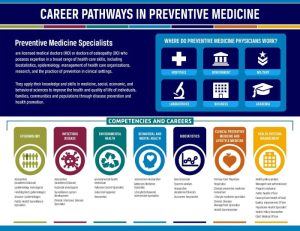
Preventive medicine plays a crucial role in reducing the risk of developing mobility issues and can greatly support the goals of physical therapy for long-term mobility benefits. By focusing on prevention, individuals can take proactive steps to maintain their mobility and overall health.
Examples of Preventive Strategies for Mobility
- Regular Exercise: Engaging in physical activity on a consistent basis can help strengthen muscles, improve flexibility, and support overall mobility.
- Healthy Diet: Consuming a balanced diet rich in nutrients can help prevent obesity and other health conditions that may impact mobility.
- Regular Health Checkups: Routine checkups with healthcare providers can help identify any potential issues early on and prevent them from progressing.
- Fall Prevention Measures: Implementing safety measures at home, such as removing hazards and using assistive devices, can help prevent falls and injuries that may affect mobility.
Nutritional Counseling for Healthy Mind and Body: Physical Therapy For Mobility Improvement
Proper nutrition plays a crucial role in not only maintaining physical health but also supporting mental well-being during therapy. Nutritional counseling can provide patients with the guidance they need to make healthy food choices that can positively impact their cognitive function and mobility.
Benefits of a Well-Balanced Diet
- A well-balanced diet rich in nutrients like vitamins, minerals, and antioxidants can help improve brain function and mood regulation.
- Consuming adequate protein, healthy fats, and complex carbohydrates can provide the necessary energy levels for physical therapy sessions and daily activities.
- Proper hydration is essential for maintaining cognitive function, joint lubrication, and overall mobility.
Seeking Nutritional Counseling Services
- Consulting a registered dietitian or nutritionist can help individuals create personalized meal plans tailored to their specific health needs and goals.
- Nutritional counseling services can offer education on portion control, food labels, and mindful eating practices to support overall health and well-being.
- Working with a nutrition professional can also help patients address any dietary restrictions, allergies, or intolerances that may impact their ability to follow a balanced diet.
Essential FAQs
How often should I attend physical therapy sessions for optimal mobility improvement?
It is recommended to follow the prescribed schedule provided by your physical therapist, typically ranging from 1-3 sessions per week, depending on your individual needs and progress.
Can physical therapy help with chronic mobility issues such as arthritis or joint pain?
Absolutely. Physical therapy can be highly effective in managing and improving mobility issues associated with chronic conditions like arthritis or joint pain through tailored exercises and interventions.
Are there specific age restrictions for individuals seeking physical therapy for mobility improvement?
No, physical therapy for mobility improvement is suitable for individuals of all ages, from children to the elderly, as it caters to diverse needs and abilities across the lifespan.
How long does it typically take to see noticeable improvements in mobility through physical therapy?
The timeframe for experiencing improvements in mobility varies depending on individual factors such as condition severity, consistency with exercises, and adherence to the treatment plan, but significant progress can often be observed within a few weeks to months.



More Stories
Online Nutritional Counseling Services: Your Path to Healthier Living
Preventive medicine and community health programs: Enhancing Wellness Together
Health motivation and long-term success: Achieving Your Goals for a Healthier Future